Author: StoneArchBridges
-

When to Use Mortar?
In this post we discuss the practical and economical advantages and disadvantages of mortared and mortarless masonry in relation to DIY stone arch bridge building.
-

Mortar Maintenance Part 2: In Practice
Repointing mortar is a regular maintenance item in mortared structures such as stone arch bridges. In this post, we investigate the procedures for successfully repointing.
-

Mortar Maintenance Part 1: Some Basics
Repointing mortar is a regular maintenance item in mortared structures such as stone arch bridges. In this post we examine the value and limitations of repointing.
-

Working With Stone Part 4: Cutting Wedges
Here is a guide to cutting wedge-shaped stones using a bricklayer’s hammer. This is part of a series on stonework, ranging from basic stone selection to cutting wedges.
-

Working With Stone Part 3: Hammer Cutting
Here are some basic pointers on hammer cutting stone. This is part of a series on stonework, ranging from basic stone selection to cutting wedges.
-
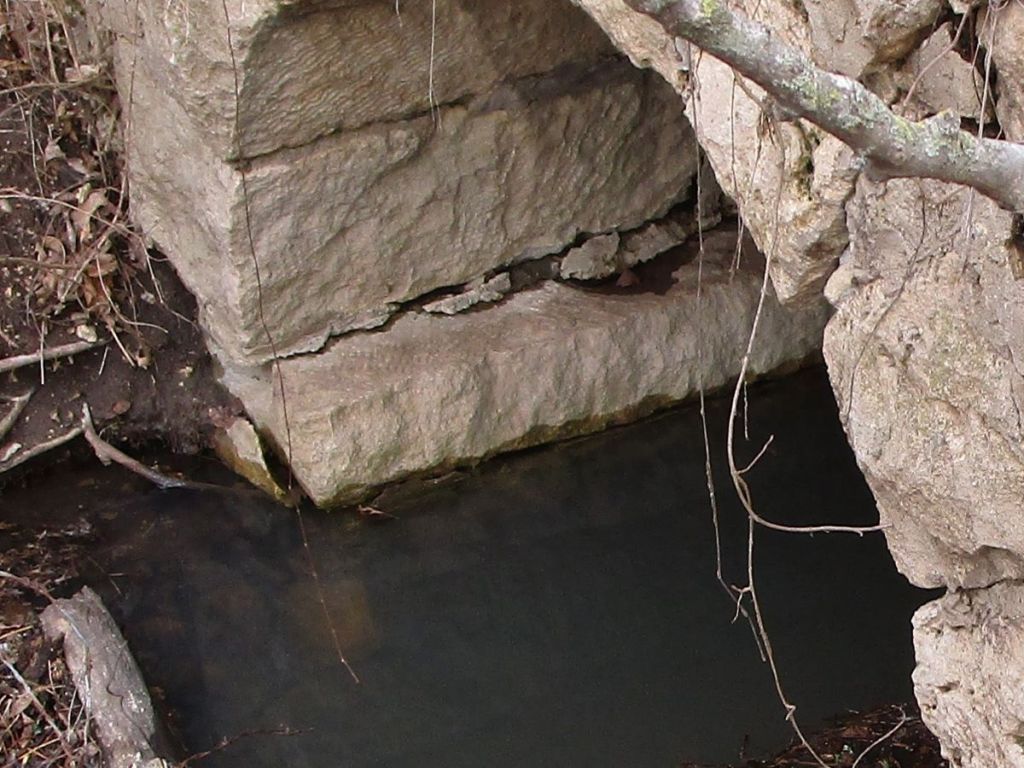
Working With Stone Part 2: Tools and Basic Chisel Trimming
Here are some basic pointers on tool selection and basic chisel cutting. This is part of a series on stonework, ranging from basic stone selection to cutting wedges.
-

Working With Stone Part 1: Some Basics
Here are some basic pointers on selection and placement of the stones used in a stone bridge. This is part of a series on stonework, ranging from basic selection to cutting wedges.
-
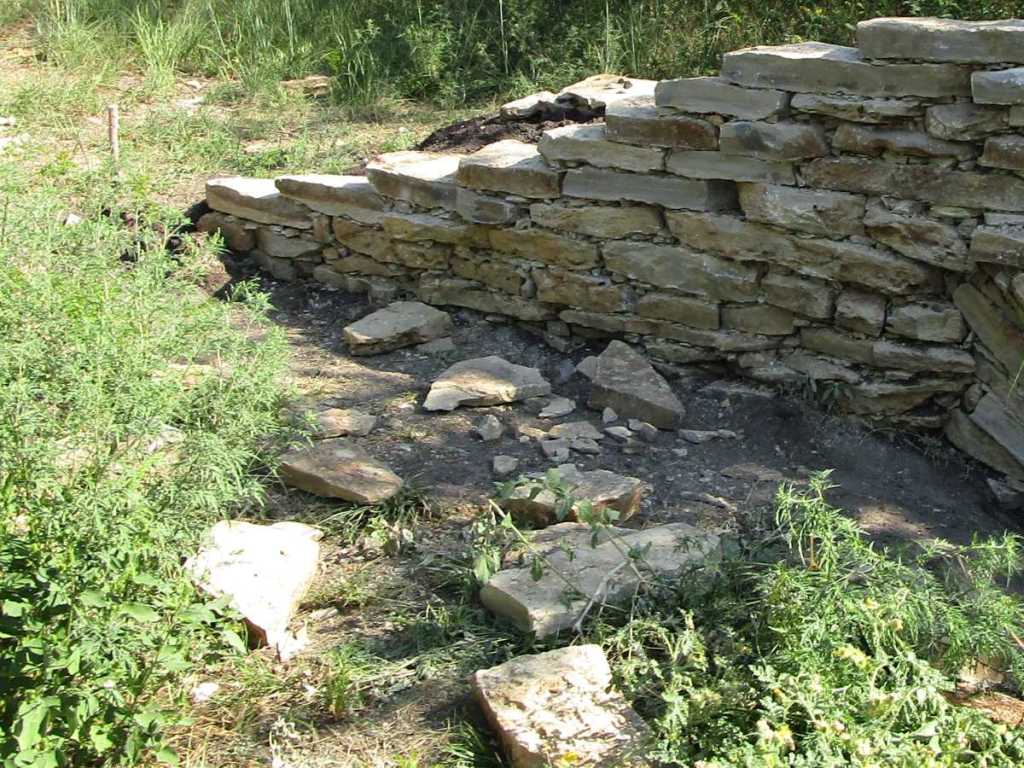
The Masonry Joints
Making tight masonry joints is probably the trickiest part of building stone masonry. Fortunately, there are several ways to tighten the joints easily. Then too, masonry can be forgiving.
-
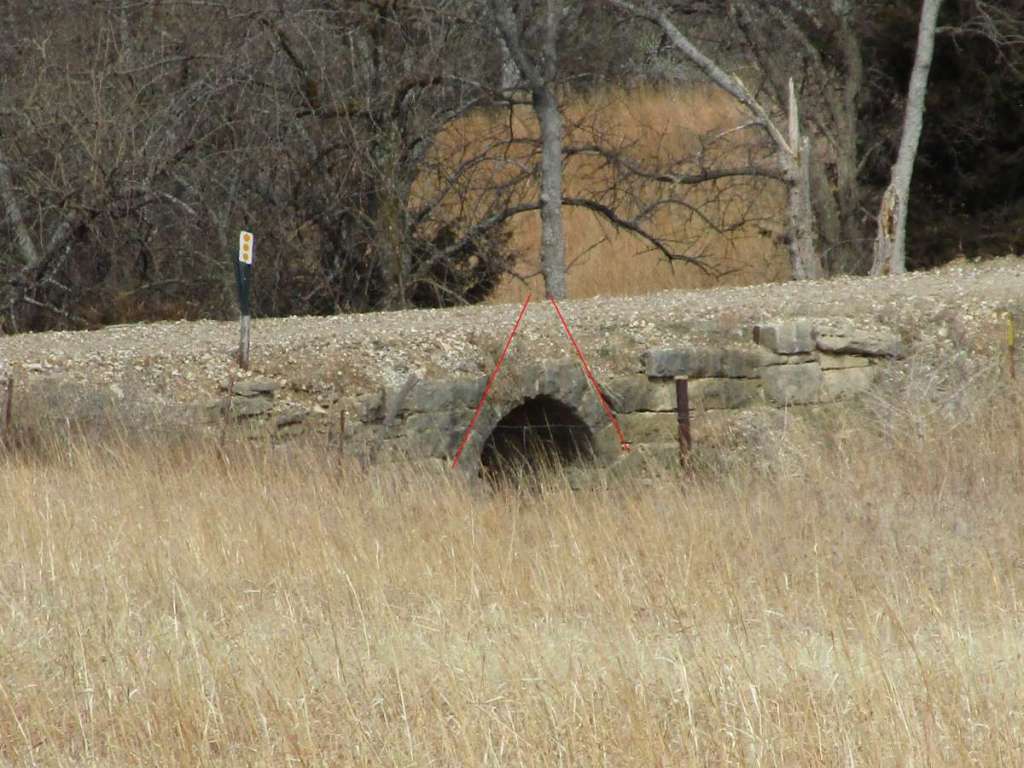
The Structural Significance of Solid Backing: Part 2
Solid backing provides some major structural support to stone arch bridges which use it. In fact, the backing can, to a degree, act as a load-carrying span in its own right.
 Stone Arch Bridges