Author: StoneArchBridges
-

Waterline Deterioration: The Achilles Heel of Limestone Bridges
The weakest point of a stone arch bridge of limestone is the waterline masonry, for it is prone to disintegrating in water.
-

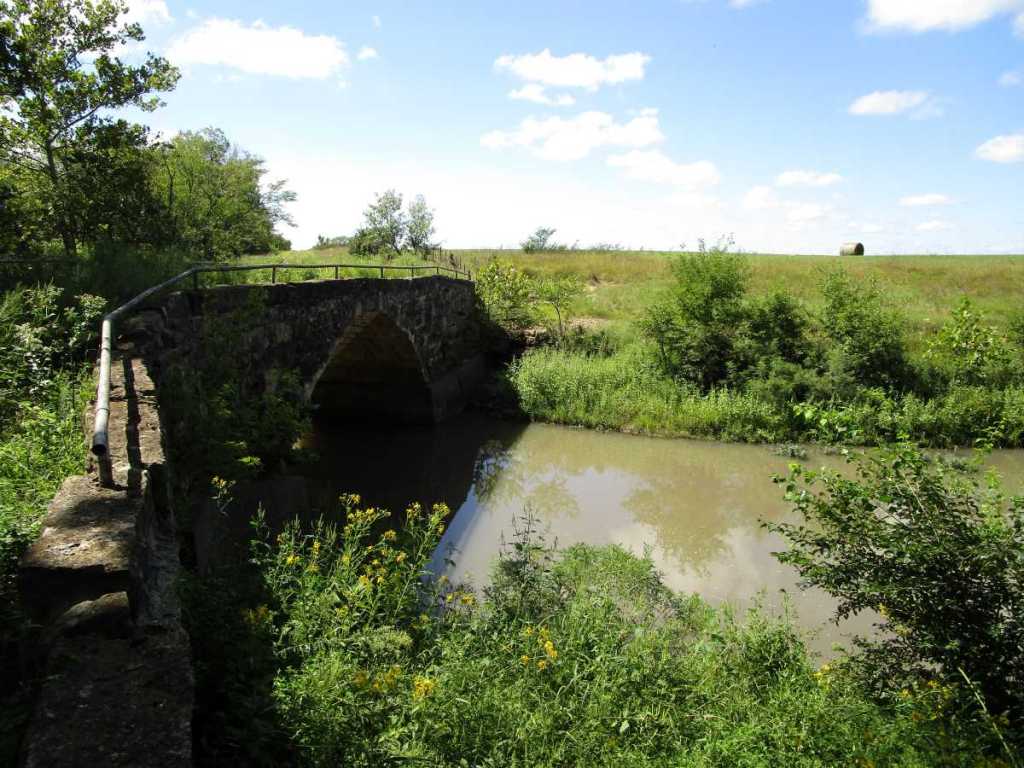
The Polecat Creek Bridge
The 1901 Polecat Creek Bridge is the only stone arch bridge on the NRHP in Butler County, Kansas, and its historic appearance is well maintained.
-

The Building of the Stone Arch Bridges of Butler County, Kansas — Part 3
At the end of the unparalleled stone arch bridge and culvert campaign of Butler County, Kansas, hundreds of such structures had been built.
-
The Building of the Stone Arch Bridges of Butler County, Kansas — Part 2
The success of Butler County, Kansas in building stone arch bridges influenced other counties across the state as well as builders like Walter Sharp.
-
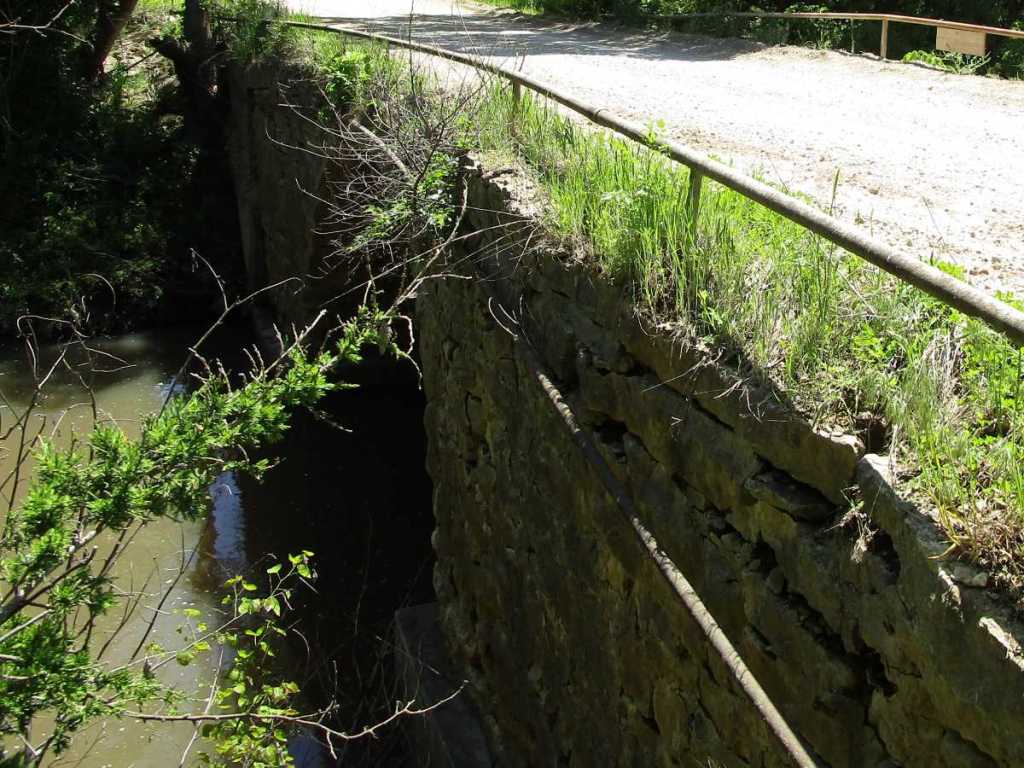
The Building of the Stone Arch Bridges of Butler County, Kansas — Part 1
After a persistent and unified push by the local newspapers, Butler County began to build stone arch bridges and culverts.
-

Drystack (Mortarless) Arch Tips
While drystack arches are more challenging to build than their mortared counterparts, following some simple rules can ensure rewarding success.
-

Wing Walls: Importance and Repair
Wingwalls can be important to a stone arch bridge’s structural integrity. While easily damaged, numerous ways to repair or replace them exist.
-
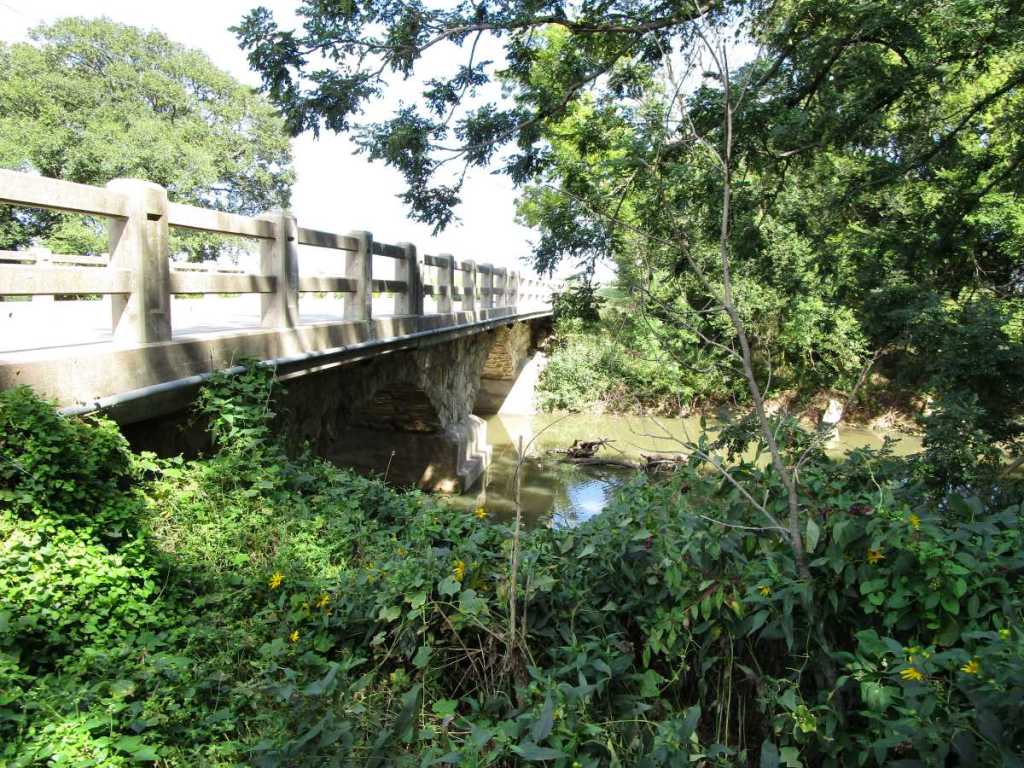
Cassoday’s Double-Arch Walnut River Bridge
Near Cassoday, Butler County Kansas, there is an intriguing double-arch stone bridge which carries a blacktop and has a long history of modifications.
-

The WPA Stone Arch Bridges
To create jobs in the Great Depression, the WPA erected numerous well-built stone arch bridges which have a unique style and history of their own.
 Stone Arch Bridges