In the first post in this series, we investigate how an arch bridge works, and the importance of compression. In the second post in this series, we investigated how the slab bridge works. In the third post in this series we investigated the pros and cons of slabs and arches and how compression relates to each. In this post we introduce a Kansas bridge builder of years gone by known as Walter Sharp, who understood and built stone arch, cement arch, and cement slab bridges. He also understood steel bridges. In the next installment of this series, we will quote Walter Sharp directly on his observations on the different types of bridge construction, for he excellently nutshelled why compression is important for bridges.
Introducing Walter Sharp
Walter Sharp was a well-known Kansas stone arch bridge builder. Walter Sharp was a pioneer stone bridge construction, and his work became well known, even in New Mexico.
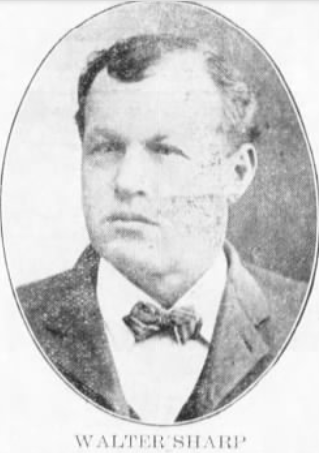
By the early 1900s, he began working with concrete, first using unreinforced concrete to make arch bridges. In the end, he worked extensively in concrete slab bridges, unreinforced concrete arch bridges, and stone arch bridges; he even received a patent for his concrete slab bridge design, though the patent was later revoked some years later, it being determined in court that such a design was not patentable.


Walter Sharp built hundreds of bridges of stone and concrete. Though he originally thought that the concrete slab bridge was the best bridge that could be built, in the end, he concluded that the arch bridge was superior to slab bridges in t he long run, simply because arches operate in compression, while the slab bridge tended to disintegrate overtime due to the constant flexing of the structure under loads. An excellent writer (Sharp worked for a newspaper in his younger days), Walter Sharp wrote extensively on the various methods of constructing bridges and roads, and clearly understood his topic.
Walter Sharp Bridges
As far as Walter Sharp’s stone arch bridges are concerned, the three biggest factors that appears to lead the ultimate replacement of them are simple: insufficient width (they were built when some of the most ambitious vehicles crossing them were Model T Fords!), insufficient waterway (in Cowley County, it was actually expected for them to be submerged during floods, according to the newspapers), and mortar deterioration. Unfortunately the mortar available when Walter Sharp built his bridges was apparently poor-quality, and lack of maintenance in the form of repointing causes it to seep completely away, making his bridges more easily damaged by debris impacts when submerged during floods. This mortar problem was by no means exclusive to Walter Sharp; it is a common feature of almost all stone bridges from this era in Kansas, regardless of builder. Also, early cement work had quality control problems; modern cement is much more reliable, making cement bridges inherently better than they were in Sharp’s day.
Still, Walter Sharp could build a good stone bridge relatively inexpensively (many of his bridges cost between $1,000 and $2,000, some more, some less, when they were built in the late 1800s and early 1900s) and fairly fast (two months was common) using relatively crude techniques like horses and sledges and hand-operated derricks! Walter Sharp, on the whole, seemed to consider the unreinforced concrete arch on par or even better than a stone bridge. Based on his writings Walter Sharp appeared to have concluded that the main advantage of the stone bridge over a concrete one was that most of the money spent on a stone bridge remained in the county where the bridge was built.
Walter Sharp on Steel Bridges
Walter Sharp also commented on steel bridges and fatigue, like we discussed about in our previous post in this series. A major advocate of doing away with steel bridges for what he termed “permanent” bridges, Sharp observed a problem with steel bridges.
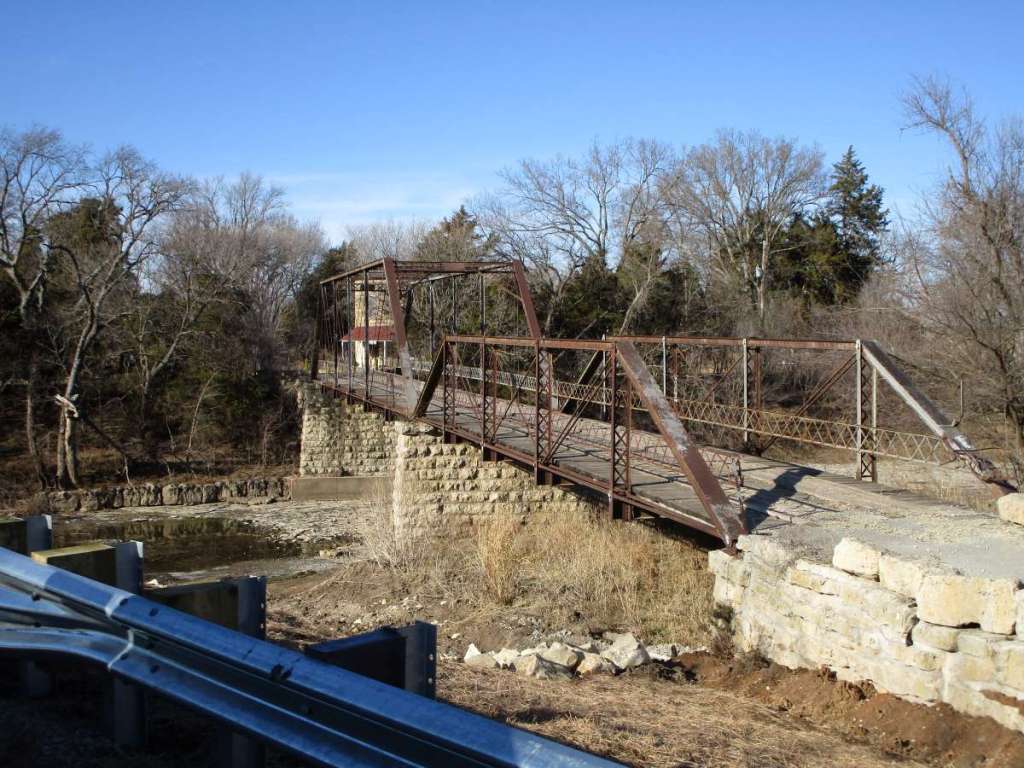
Steel truss bridges like all non-arch bridges, must flex considerably under loads, causing wear. While modern steel bridges no doubt last much longer on average than the old ones, Sharp’s words are still relevant:
“Bridge engineers tell us that the life of a steel bridge is from thirty to forty years depending on the amount of travel and usage the bridge must stand. Metal, after a long strain in usage, becomes fatigued, [] or “tired,” as the engineers say, and a perfectly good looking bar of iron breaks in two and the bridge collapses.”
Walter Sharp, “Cowley County Bridges,” Winfield Daily Courier, January 4, 1915.
This fatigue appears to have been behind the catastrophic collapse of the I35 bridge in Minneapolis Minnesota some years back. In the next post of this series we will quote the excellent summary Walter Sharp wrote on the topic of compression, and arch and slab bridges.
 Stone Arch Bridges