Category: Construction
-
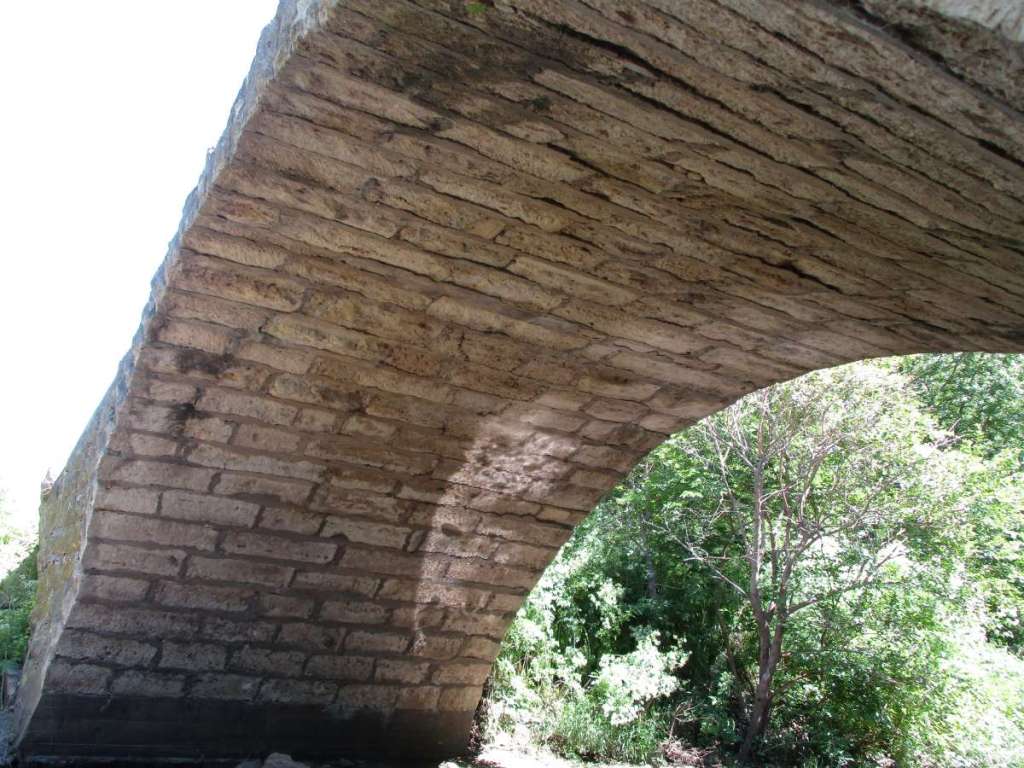
Achieving Durability with Soft Stones
Soft stones tend to handle freeze-thaw cycles poorly, rendering them a low-quality material for stone arch bridges. Fortunately, with the right design choices, soft stone can still be used to create enduring stone structures.
-
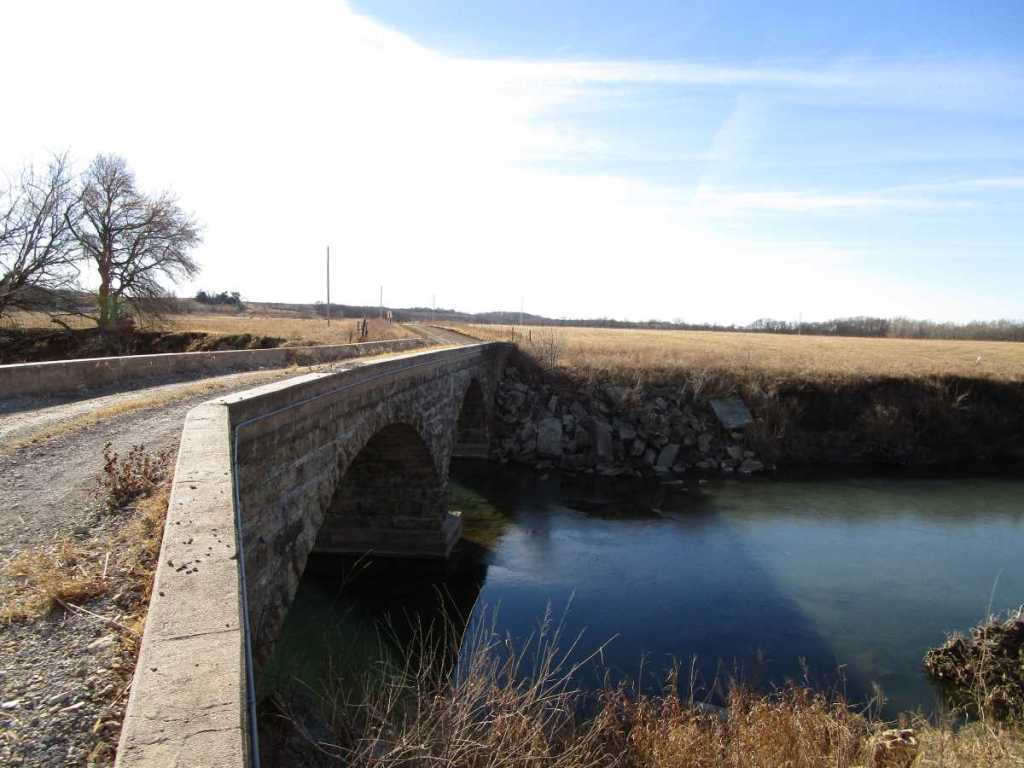
Building Multi-Arch Bridges
There are some design considerations when building a multi-arch bridge, all of which are related to the pier between the arches. Here are some different designs with the pros and cons of each.
-
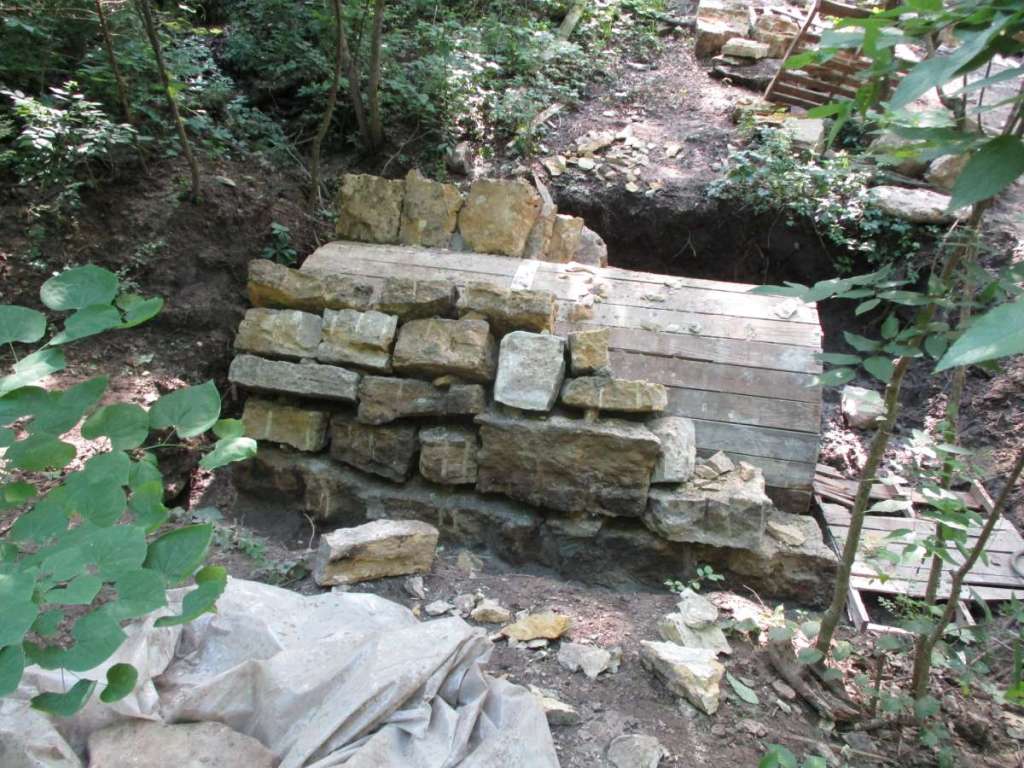
Laying Arch Stones
Here are some tips for laying the stone in a stone arch bridge to allow for better and easier construction.
-
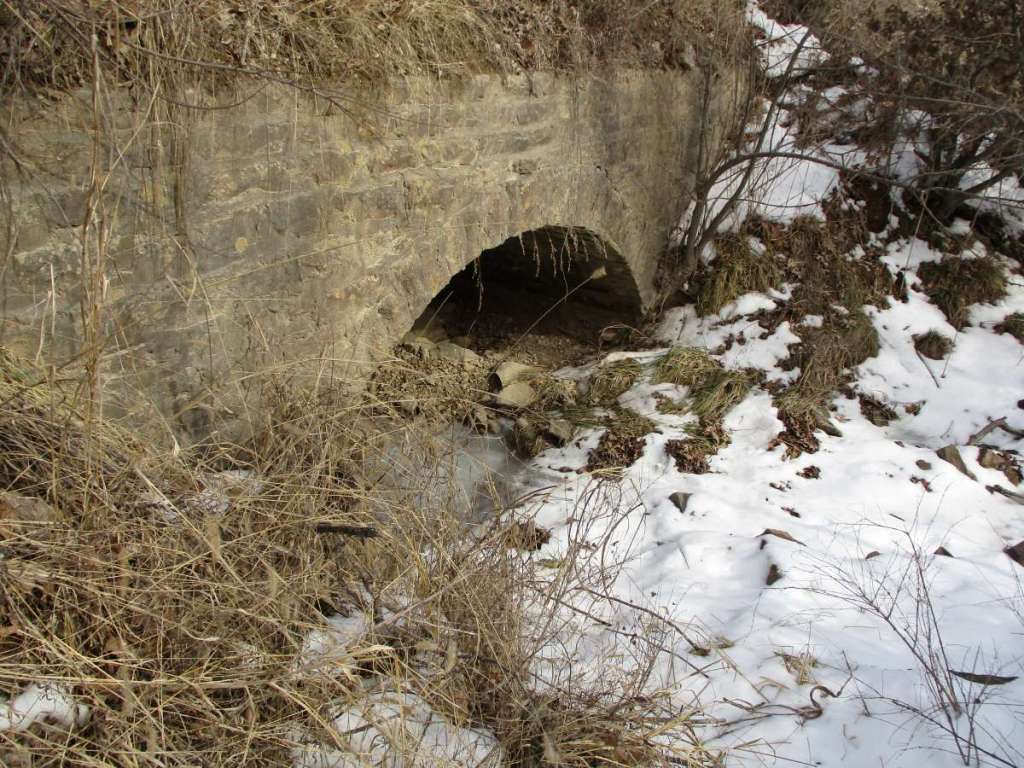
Styles of Pointing
When building with mortar or repointing a structure, there are several possible mortar surface treatments available. Here is a rundown of the basic options available.
-
Designing For Local Stone
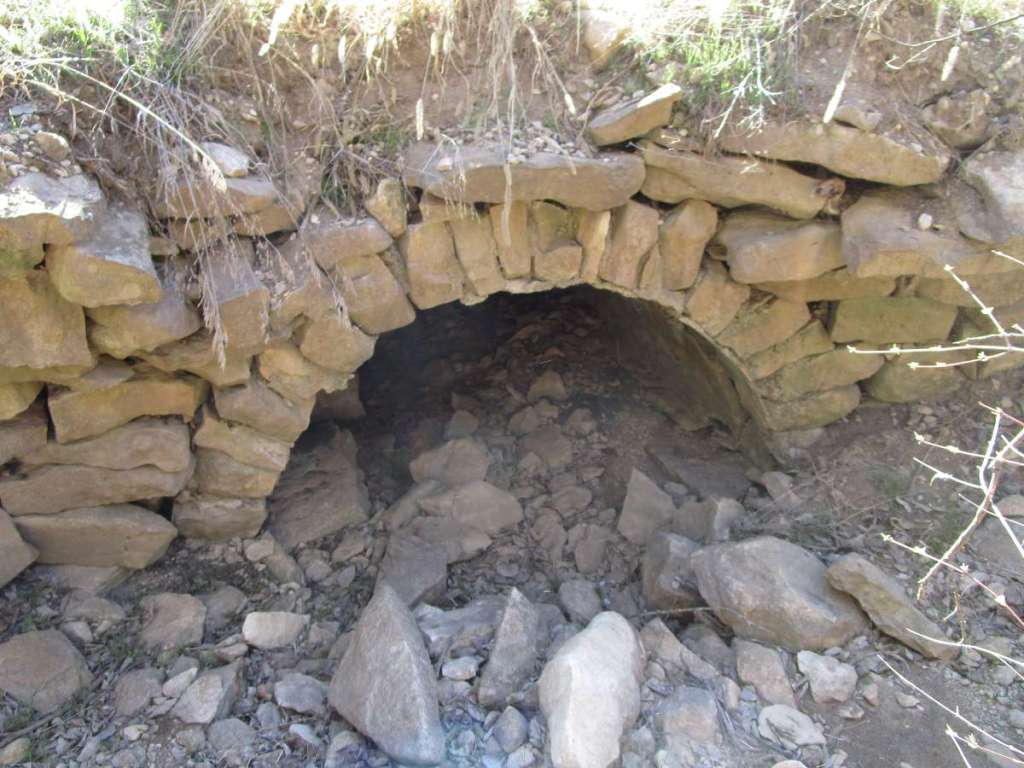
A stone arch bridge can be designed to better utilize the stone available to a builder. Here are some design tips for the various types of stone one may encounter.
-

Compression of Arches
Since an arch relies on compression to hold together, it follows that the arch itself can compress somewhat. The resultant flattening can be reduced by quality work and material.
-

Tips for Using Feathers and Wedges
Using feathers-and-wedges is a straightforward process, but there are several factors that will affect how the stone splits. In this post, we investigate different ways to make stone-splitting easier.
-
More Quarrying Tricks
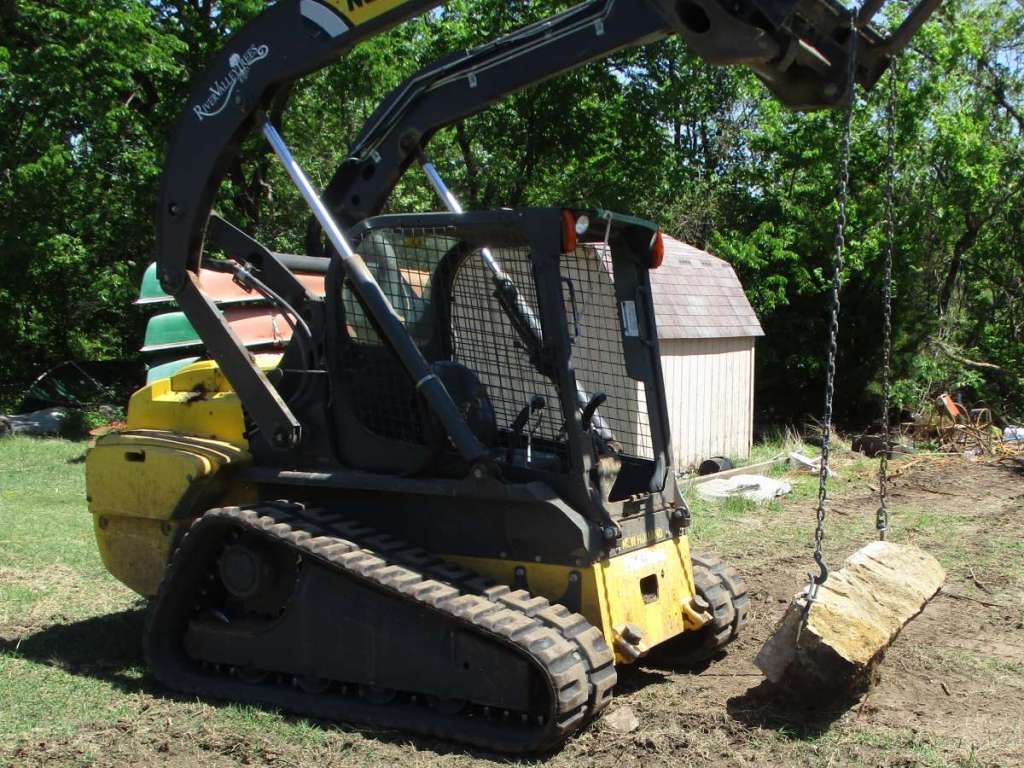
In this post, we discuss several advanced methods that allow for better quarrying and maneuvering of stubborn, large stones.
-
The Basics of Quarrying Stone from a Hillside
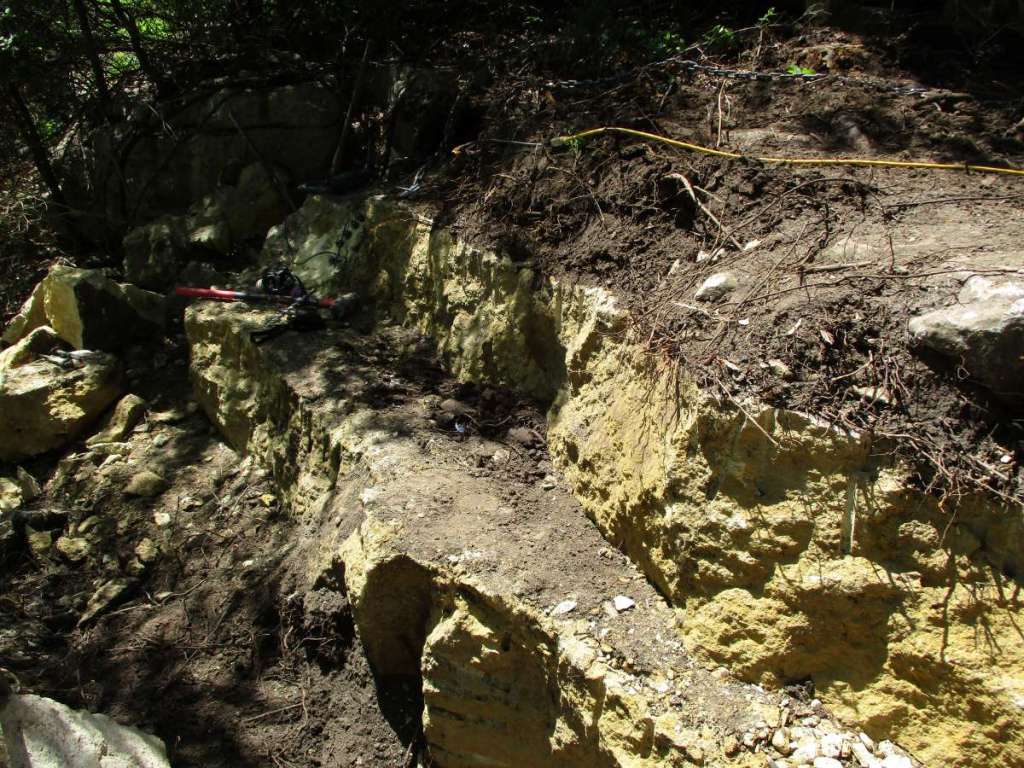
The traditional hillside quarry remains one of the best ways to obtain stone in areas where sedimentary rock naturally outcrops. In this post, we discuss the basics of this quarrying process.

