Category: Construction
-

More on Arch Thickness
In this post we introduce an empirical formula for arch design based off the natural log, which formula we have successfully used. We also discuss arch thicknesses for different applications.
-
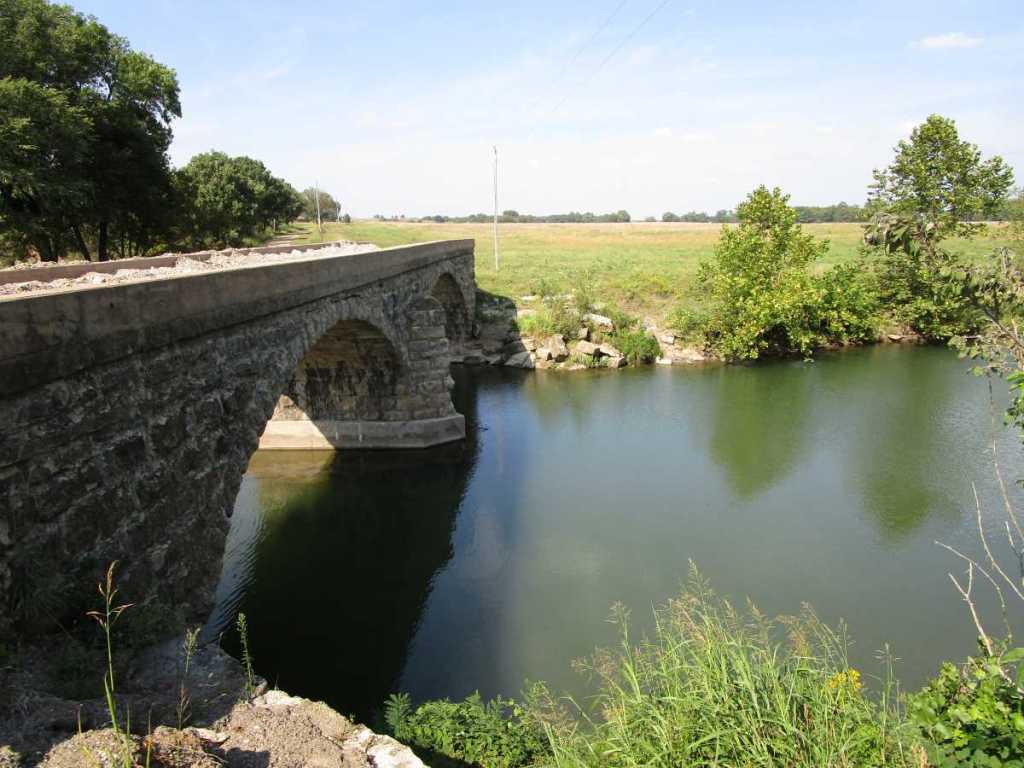
Segmental Arch Bridge Designs
Segmental arches require care in laying the arch, but can also be used to great advantage, particularly where the stream being spanned is a rock-walled gorge.
-

Smoothing Stones
Smoothing and otherwise fine-tuning a stone is not a formidable task, and will result in vastly superior construction. Here are some tips on shaping stones.
-
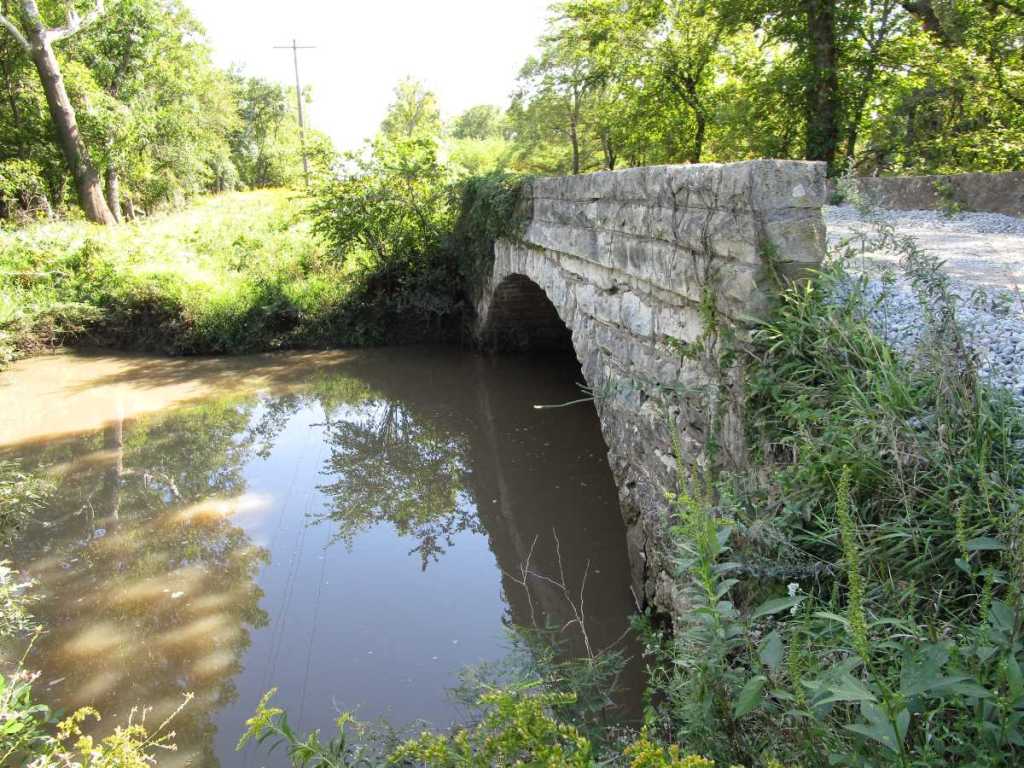
The Design Flow of a Stone Bridge
When designing a stone arch bridge, the arch is the key factor around which the rest of the bridge is proportioned. In this post, we describe how the size of various elements of the bridge relate to each other.
-
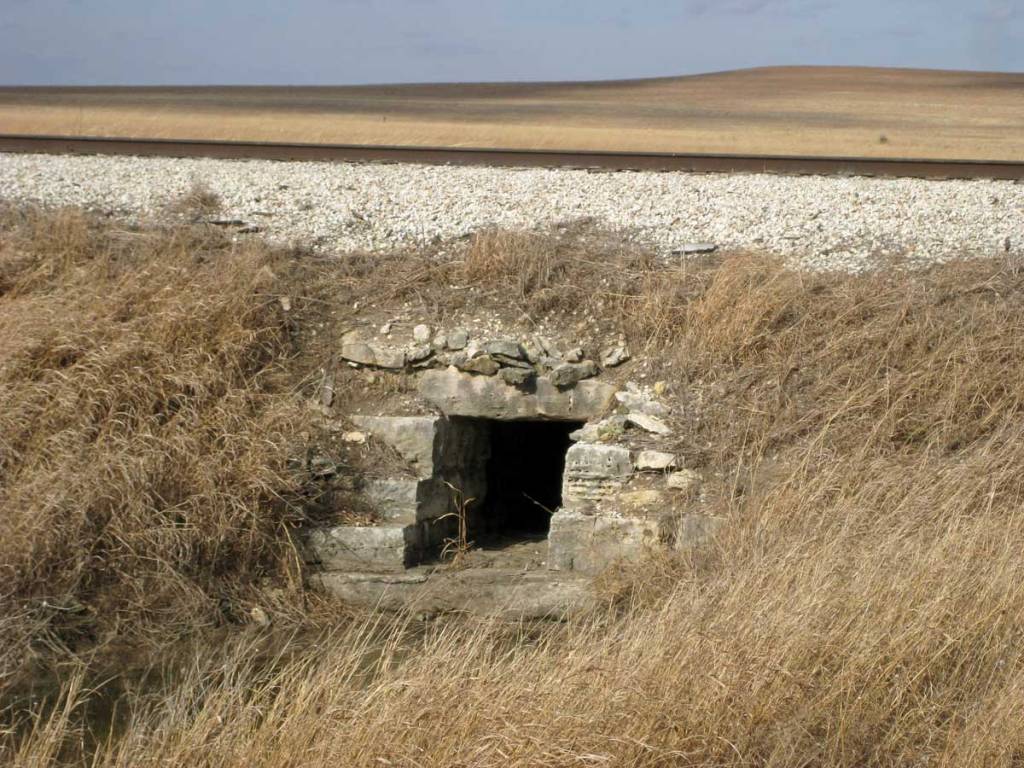
The Stone Slab Bridge
Stone slab culverts represent an early and simple way to bridge a gap with stone. However, due to the inherent structural weakness of this design, only small spans are practical, demonstrating the advantages of the arch.
-
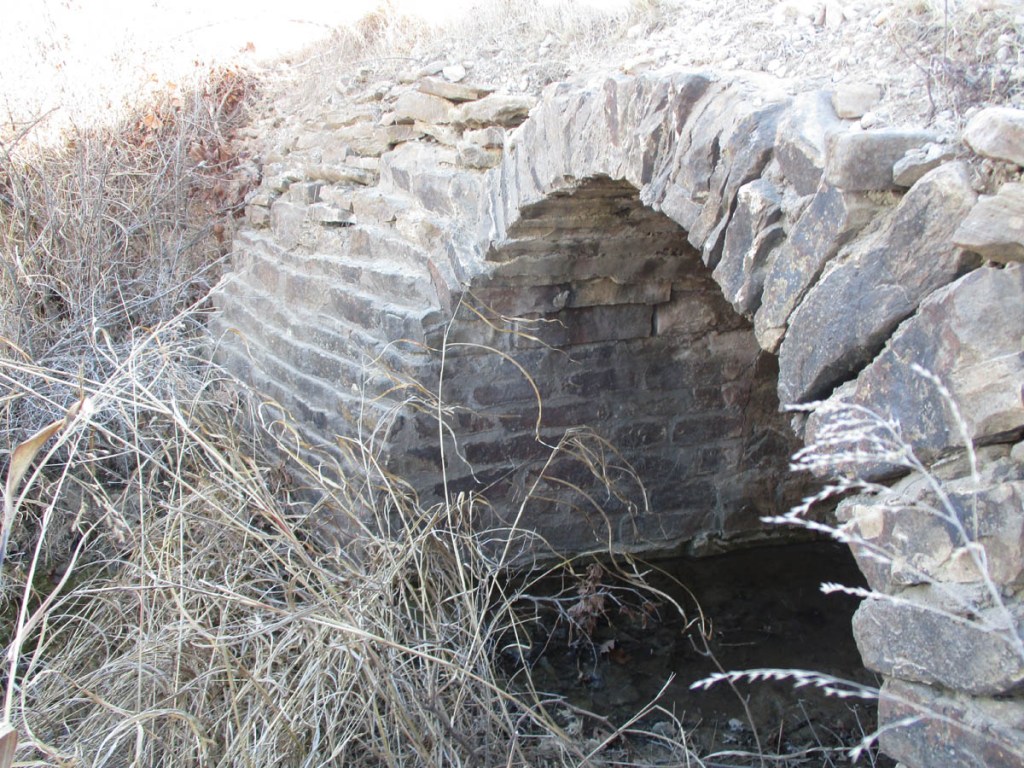
Load Distribution Within the Arch
The arch tends to gradually spread narrow loads over a larger area as the forces travel though the arch. In this post we outline why this is and some implications of this fact.
-
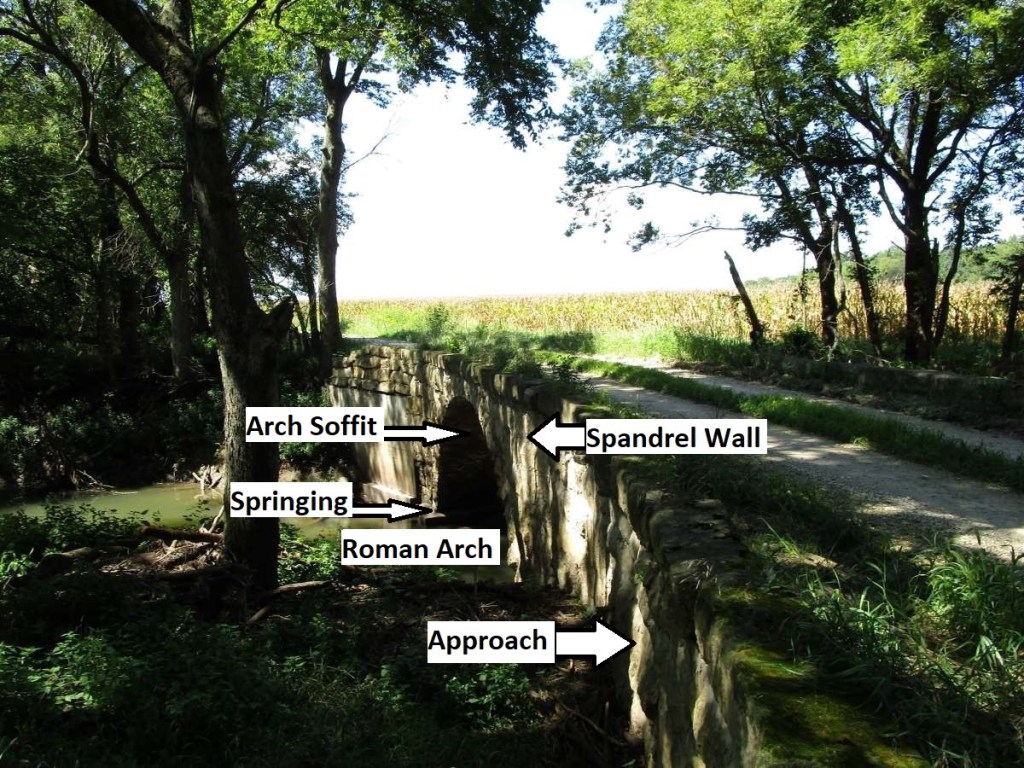
The Spandrel Wall and the Arch
Stone arch bridges feature spandrel walls in order to create a reasonably level roadway. These walls, however, are also an important structural part of the bridge, allowing it to carry heavier loads.
-
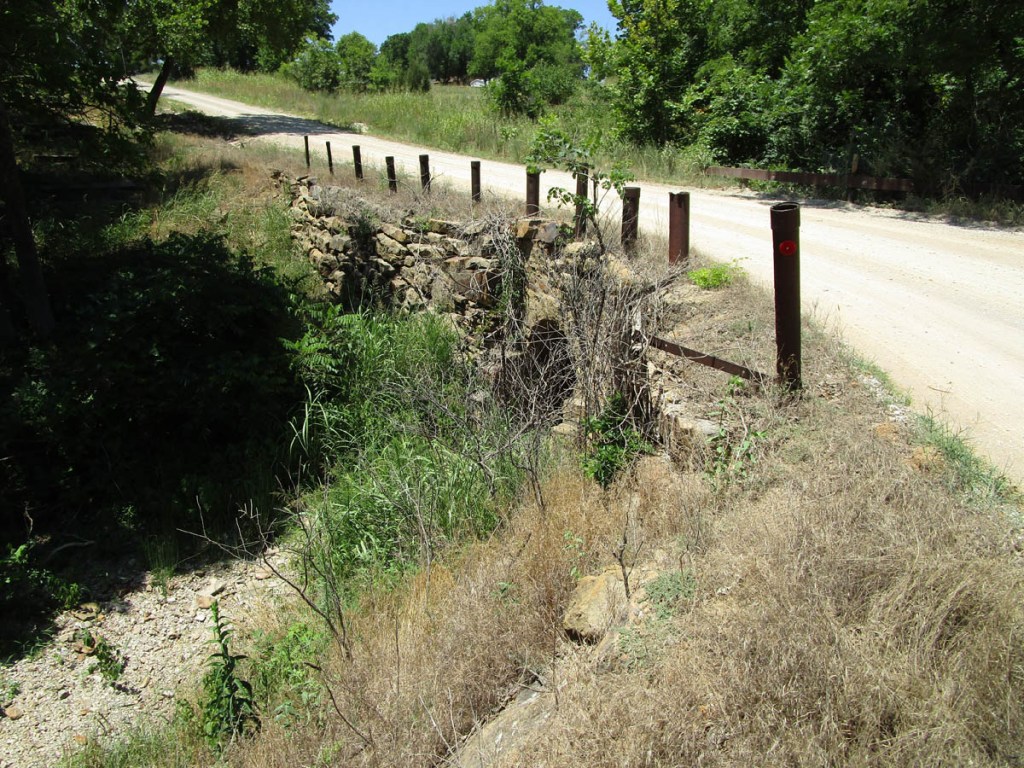
The Stone Bridge: A Continuation of the Ground Itself
Stone bridges provide a seamless transition between the road causeway and the bridge, by virtue of their construction. The typical stone bridge is essentially a retaining system for road fill.
-
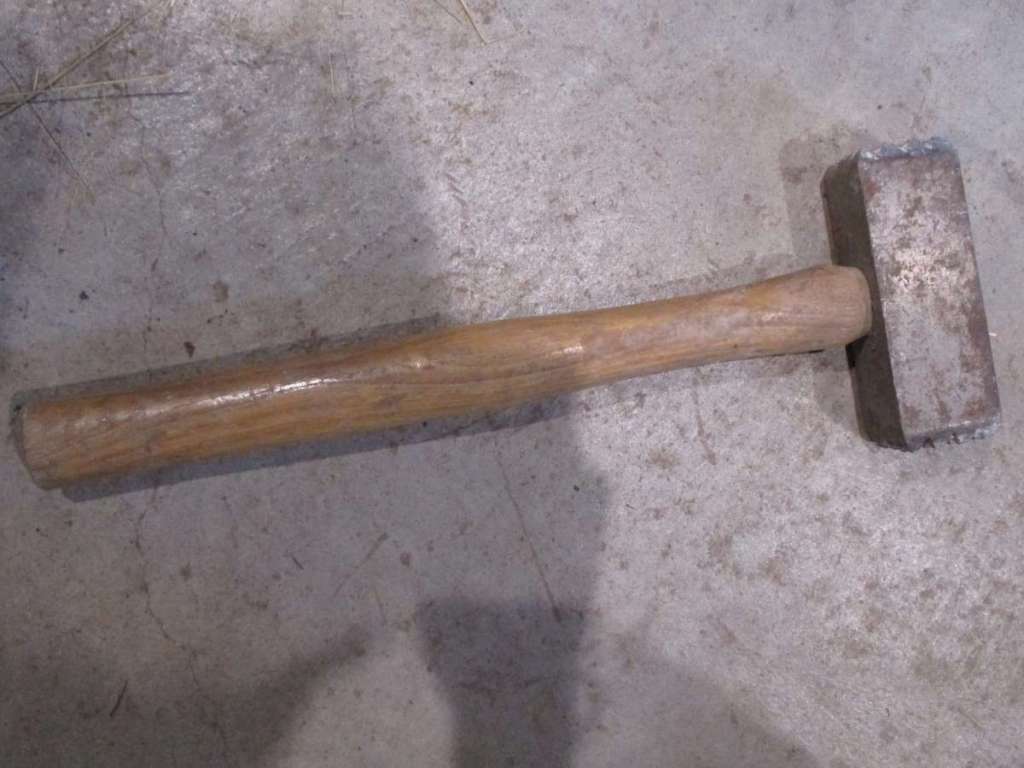
A Novel Tool: The Bushing Hammer
The bushing hammer is a specialized masonry tool that is especially useful if working with limestone. Due to its unique design, the bushing hammer is used to smooth surfaces.

