
How mortar is mixed and cured is crucial for long-term strength and durability. Too wet, and the mortar is soft, shrinks, and cracks, while too dry, the mortar won’t take to the stone. And if the mortar dries out too soon in the curing process, full strength will never be achieved. This proper mixing and curing makes a huge difference in the durability of the mortar, and it will be found mortar does not have to regularly be maintained if it is made well in the first place.
Mortar Mix Moisture
In our experience, we have found it beneficial to make the mortar wetter than is usually recommended. We have found a good, soft, creamy mix can be quite strong and durable. The trick, however, is to leave the stones dry. The end result is that the excess moisture from the mortar is soaked into the stones. This soaking of the moisture also helps soak the mortar itself into the stone, leading to an extremely good bond.
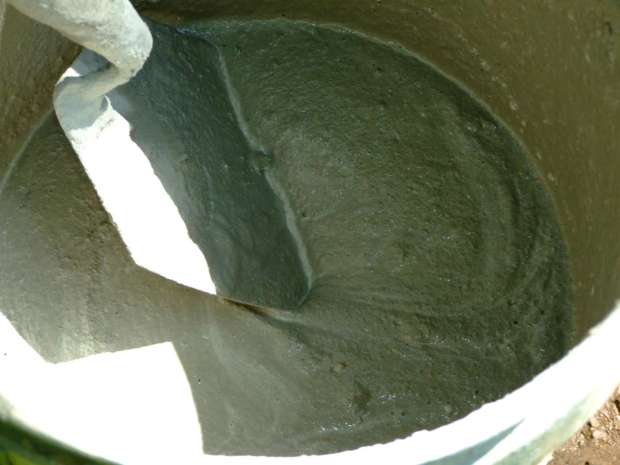
If one looks at masonry done with the more typical mortar, which is relatively dry and firm, you will often find numerous places where the mortar never really bonded to the masonry units. This will lead to long-term moisture issues and mortar degradation. This is why we prefer the creamy mixtures.
Curing the Mortar
The first three days of the drying process are quite important for determining the final strength of the mortar. After the mortar is placed and has been given some time for the excess moisture to soak into the stones, it is helpful to lightly moisten the stone (not the mortar; watering fresh mortar can wash the cement out!) to keep everything from drying out. We then cover everything with a sheet of plastic to keep the humidity up. At least 24 hours of this covering is crucial, but leaving the plastic on where possible for up to a week will help the mortar dry into a very strong joint in the long run.
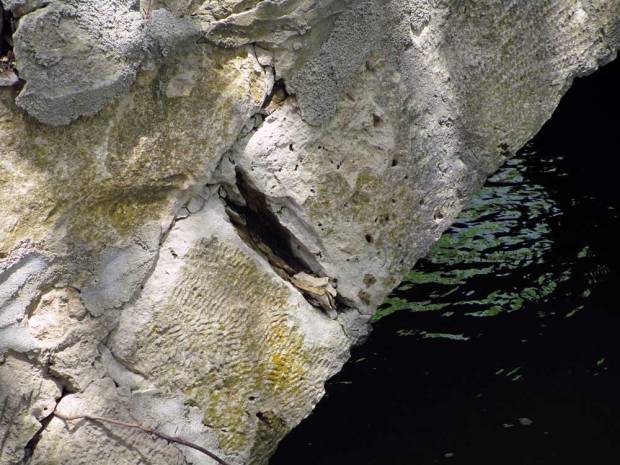
It is also worth pointing out that this curing process applies to concrete. It will be found that the more the concrete was kept moist during curing, the less likely it is to crack. The extra moisture ensures the concrete does not dry out before the main part of the chemical reaction of the curing process is done.
 Stone Arch Bridges