
Rubble masonry is a class of masonry that is easy to build, looks rustic, and can be very durable. Made with uncut or only roughly trimmed stones, rubble masonry is distinct from ashlar masonry where the stones are essentially formed into oversized bricks before laying. How the stones are laid makes a huge difference in the longevity of the structure.
The Importance of Shimming
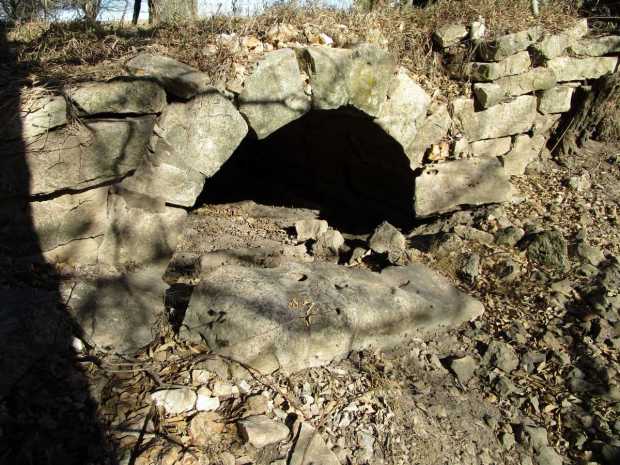
While we have mentioned this before, it is important to reiterate the fact that rubble masonry uses a heavy number of shims to help stabilize things. Without these shims, mortar loss over the years can reduce rubble masonry into a pile of ruins in a relatively short time. With the shims, the masonry can and will stand for centuries.

The shims help keep stones from rocking, it is true, but they also maximize friction and contact between stones. Even when mortar is used, shoving shims into the gaps in the joints ensures longevity, and, as an added bonus, helps save on mortar.
The Mortar Philosophy
Mortar is not used to glue everything together, and mortar distributes the weight evenly across the stone by filling in imperfections. This view of mortar suggests a way to lay rubble masonry for longevity. Rather than using the traditional 3/8″ mortar joint so common in brickwork, the stone mason can make a thinner batch of mortar, then set the stone on it. The weight of the stone will squeeze out excess mortar (which can be scraped up and reused), until the stone comes to rest on the stone below, making direct contact at various points, rather than being propped up on a bed of mortar. What the mortar does is fill in the imperfections (of which there will almost certainly be quite a few) in the contact surface between the two stones. And these imperfections in the joint almost guarantee a solid bonding of the mortar.

Thus, the mortar is only used to fill in gaps between stones, without being completely relied upon for stability. Add some shims to fill in the gaps as much as possible, and this rock will stay put for centuries.
 Stone Arch Bridges