Inadequate width is probably the single most common reason why stone arch bridges are replaced. Ironically, inadequate width is also one of the easier design problems to address.
A Variety of Options
There are any number of ways to fix inadequate width in a stone bridge. One of the most basic we have seen is removing all curbs and railings and pouring a concrete top onto the whole bridge. This results in a slight widening by virtue of removal of the curbs. However, for anything except the smallest of culverts this solution makes crossing the bridge in question a little hair-raising.
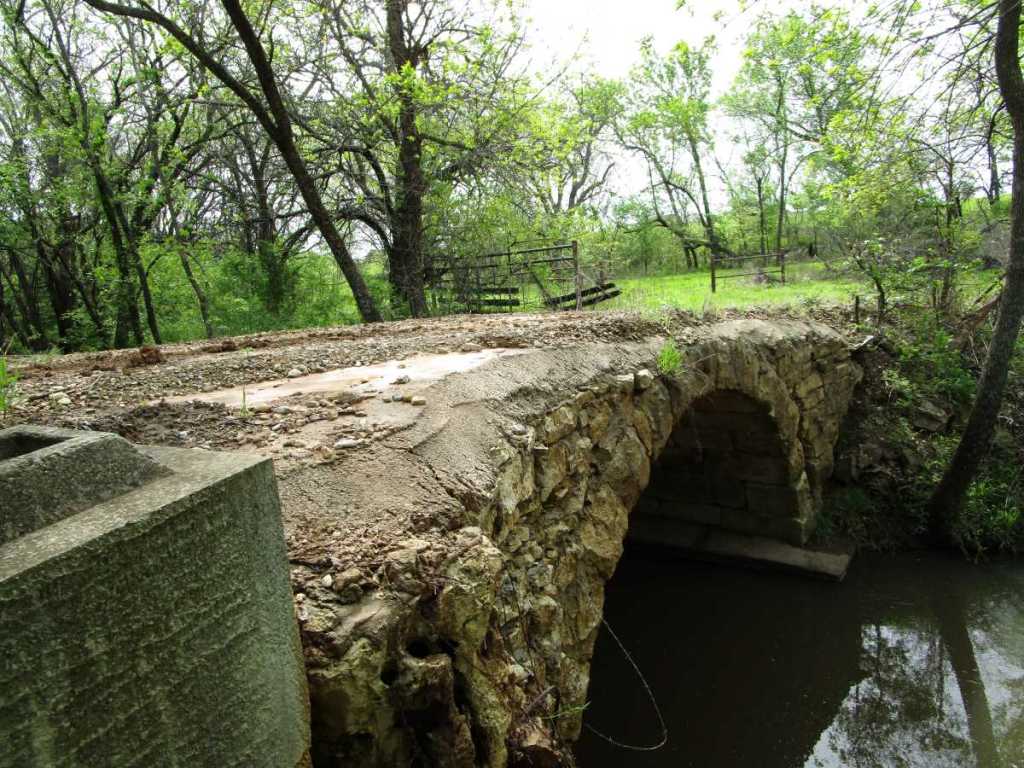
An improvement to the above idea is a cantilevered concrete slab; the slab can be cantilevered out from the bulk of the bridge and built with proper railings for safety. As an extra benefit, this method will usually result in a higher weight-carrying ability for the whole bridge.

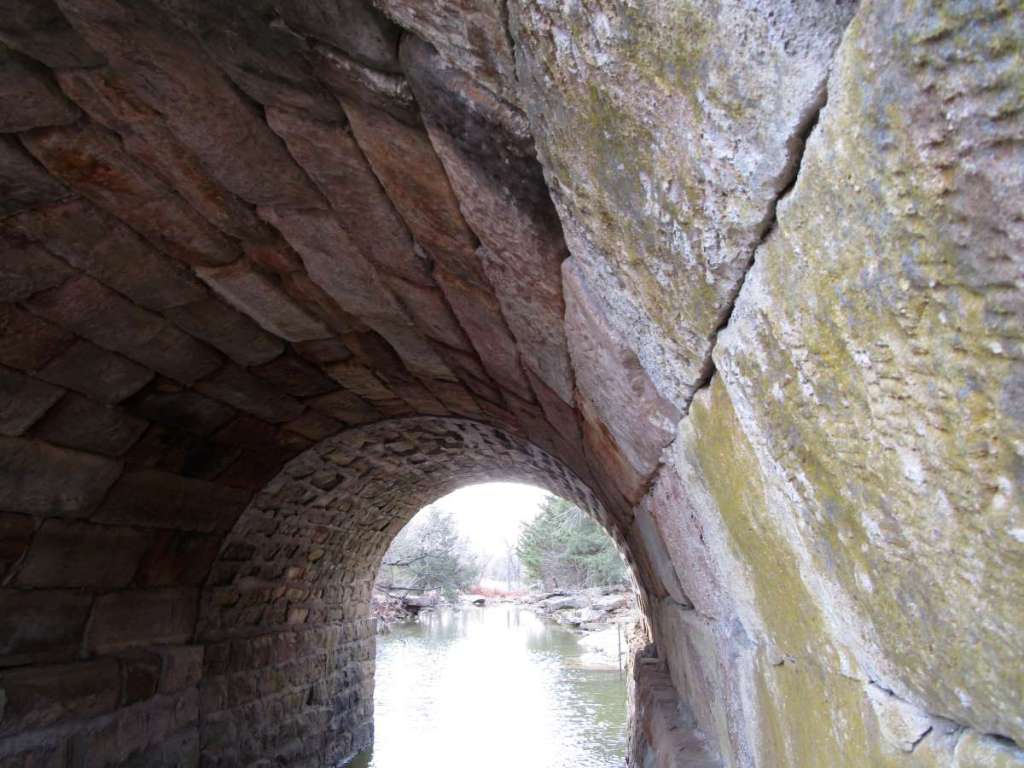
Probably the simplest and most effective method of widening a narrow stone bridge is to build a bridge against one side of the old bridge. This method of widening has been used for centuries, as evidenced by stone arch bridges with a distinct seam under the arch revealing where a new arch was butted up to the old.
Bridges Next to Bridges
Bridges next to bridges are easy to build, and can be as simple as a metal culvert butted up to an existing stone culvert or a full-fledged stone arch bridge placed up against a stone bridge.

The widening need not be round either. Slab bridges can and have been successfully used to widen stone bridges. Concrete arches can be used if a match in curve is desired, though, iIn the end, basically any design for the widening will work.

This method of widening should be less expensive than replacement, and leaves one side of a stone bridge readily available for viewing while making the structure more suitable for modern traffic requirements. In the end, replacement is rarely a requirement for a narrow stone bridge; preservation is preferable and often easy to implement.
 Stone Arch Bridges