In the final tally, stone bridges enjoy a reputation for being some of the most enduring man-made structures in the world. The technology is proven, and many stone bridges in use around the world that are hundreds of years or even thousands of years old testify to the longevity of the stone bridge. So why are there some stone bridges that seem to be in constant need of maintenance? The reason is simple: In many places, especially around the United States of America, stone bridges were built that were primarily designed to be erected inexpensively and at a fast pace. This resulted in some shortcuts being taken.
Characteristics of an Era
Low-cost stone bridges became very common in the late 1800s and early 1900s in the United States. In our research of the stone bridges of Kansas, we found certain characteristics of these bridges and reasons behind their design that appear to hold throughout most of the Midwest and other parts of the United States.
In Kansas, we found strong evidence showing that the main reason for keeping the costs as low as possible was to allow poorly funded local governments to be able to build these structures at all, and also, in the case of larger bridges, to compete with the steel bridge companies, which at the time had somewhat of a monopoly in bridge building in the state.
To make the bridges more affordable, several shortcuts were usually taken: narrow width, constricted waterways, shallow foundations, and low-quality masonry.
Narrow Width
While 16′ seemed to be the common width for county-level bridges in Kansas, townships frequently built bridges considerably narrower, reducing the cost. Some of these early bridges were so narrow, in fact, that they were considered inadequate even when new. Many of these narrow culverts have long since been replaced, though a few remain that have been widened, sometimes several times, over the years.


Constricted Waterway
Because stone was more durable than wood, many localities felt that they could greatly save cost by making a stone bridge with a much smaller waterway than they may have otherwise used for the same stream. This has resulted in long-term issues from flooding damage, as these small bridges frequently are submerged, battered, and sometimes even plugged by flooding events, as they are completely inadequate for the streams over which they were built. This has led to the ultimate failure of many of these structures.

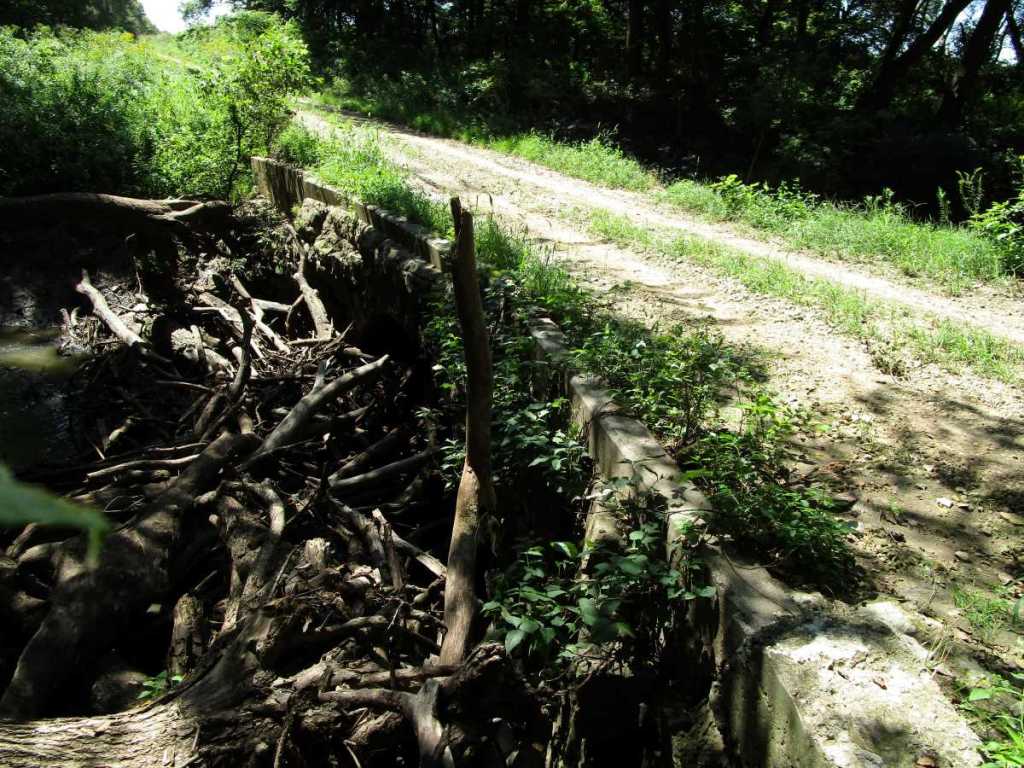
Shallow Foundations
Foundations were frequently a problem for low-cost bridges, especially small culverts. If bedrock was readily available, the foundation was fine and good. If not, the footings were often dug down only a foot or two below the streambed, and no scour protection of any kind provided. Couple this with the high water velocity that usually resulted from the narrow waterway often used, and undermining and collapse were the inevitable outcome.
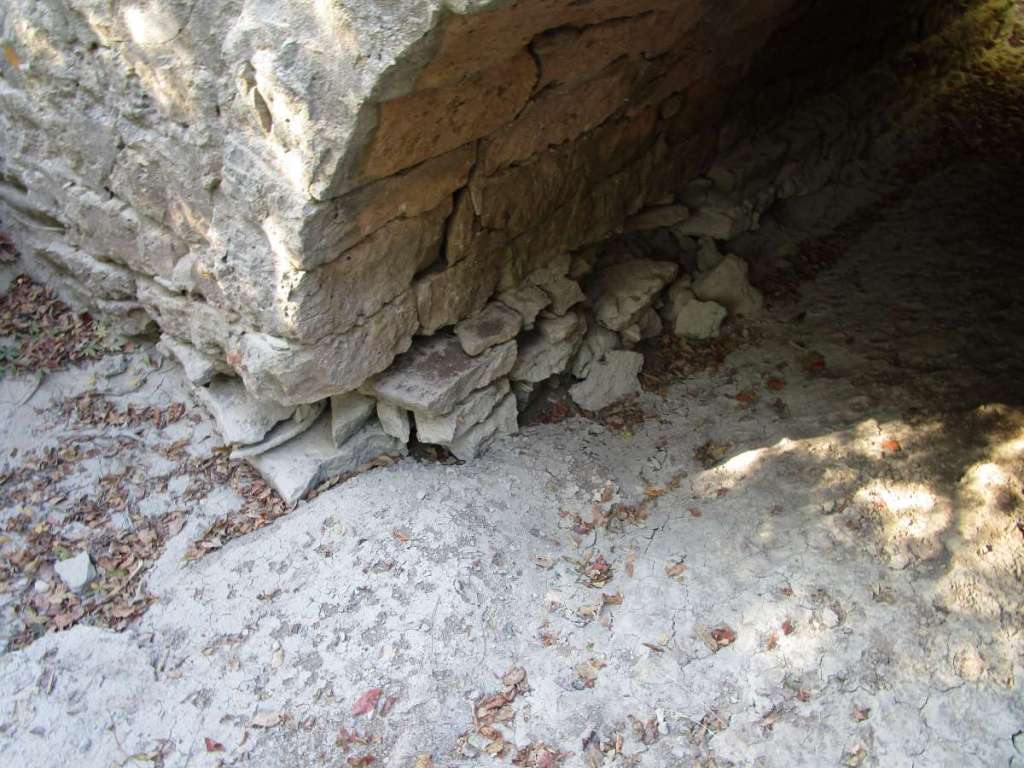

Low-Quality Masonry
All low-cost stone culverts used rubble masonry, which in and of itself is by no means an inferior means of construction. Where the trouble arose was that, while some builders were masters at building enduring rubble masonry structures, others were not. The end result was that many bridges were built of relatively low-quality masonry that relied heavily on the mortar for strength. With the inevitable deterioration of the mortar over the years, these low-end structures tend to fall apart piecemeal.

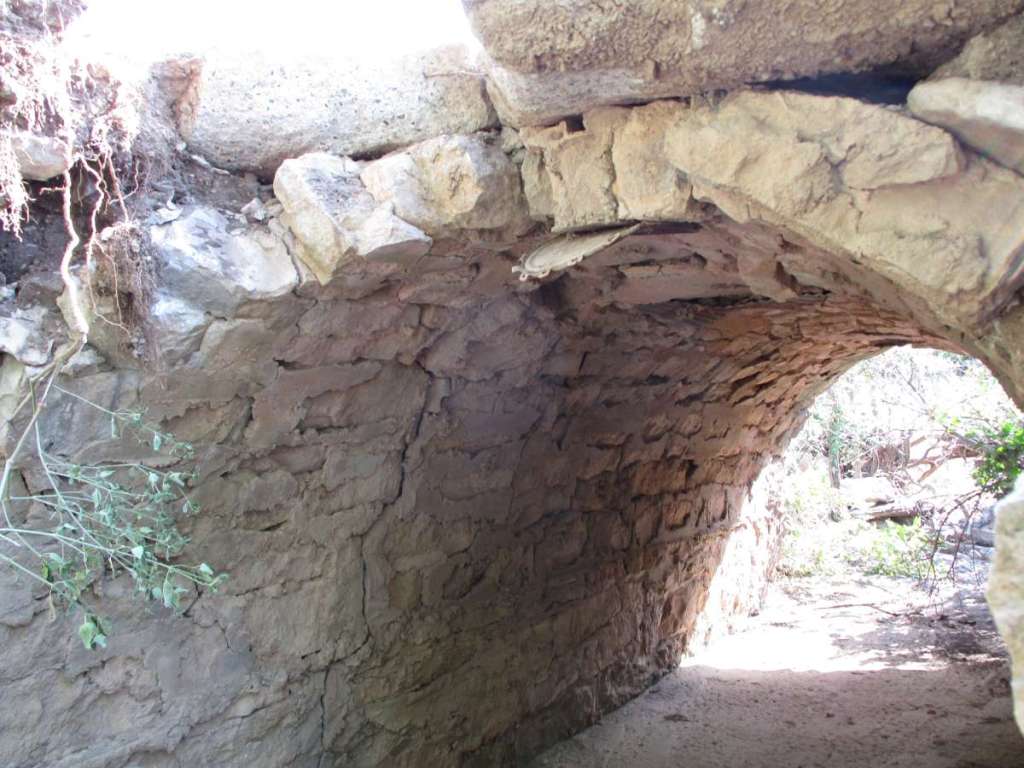
The Problem
The final result of the abovementioned design shortcuts is that a very high percentage of the stone arch bridges built in the late 1800s and early 1900s have long since met their demise. Furthermore, of those that remain, there are plenty that need careful maintenance to continue to serve their purpose. The good news is that, with some care, these bridges can frequently be repaired and, where required, improved to allow their continued serviceability for years to come.
 Stone Arch Bridges