
In eastern Kansas, most stone arch bridges and culverts of any size are from the c. 1900 time frame. Those that have verifiable dates are almost always built from around 1890 – 1910, with a large concentration from about 1903 – 1908. However, as time went on, we started finding evidence of a later generation of stone bridges. We first became aware of this when checking for culverts on the roads in Cedar Township, Cowley County, Kansas. On rural roads in Cedar Township, we started finding numerous stone arch culverts. All of them were similar: They featured very crude masonry made of all kinds of unshaped stone, grouted arch rings with a sheet of grout on the underside of the arch, and very wide mortar joints filled with a very hard mortar that was almost like concrete in consistency. Since that time, we started finding more culverts of this type in much of southern Cowley County, and then some similar designs in Elk County, Kansas.
Evidence of a Modern Era
The single biggest factor that confirms a more recent date for these culverts is the very hard mortar; a quick look shows this is a Portland cement mortar with no similarities to the softer lime mortars found in earlier bridges. The mortar in these newer culverts is also almost always in good condition, while on early 1900s bridges the mortar is usually found more or less entirely leached out. In Elk County, the situation was even more unusual, for we kept finding older bridges, obviously from the early 1900s, widened with these newer bridges. And while the workmanship on this widening was better overall than was the case for the Cedar Township stone culverts in Cowley, the difference in mortar and, frequently, the stones used was obvious. In Elk, however, we were fortunate: A date (1935) was found on one of the widened culverts. More details on this topic from a historical aspect can be found in our post entitled Clues to the Past: Cowley’s “New” Stone Bridges and the Oak Valley Culverts.
Spotting the Difference
Actually, these newer stone bridges are very easy to spot. The giveaway is typically the mortar. That said, be aware mortar can be replaced on an older structure with a modern hard cement, so this is not foolproof. Notwithstanding, our observations have shown that most Kansas stone culverts have never been repointed, so the mortar is still a reliable clue.
The other giveaway is the masonry. Typical early 1900s work is done with large blocks, usually with some form of minimal tooling, while the later culverts almost always show the same pattern: no evidence of tooling whatsoever, and non-radial and even strangely shaped stones are frequently found in the arch, though the exact appearance will depend on the local stone available in the immediate vicinity.
Some Examples
Below are some examples of various culverts we found in southern Kansas, showing the differences in styles. Ones from the early 1900s or late 1800s are labeled.
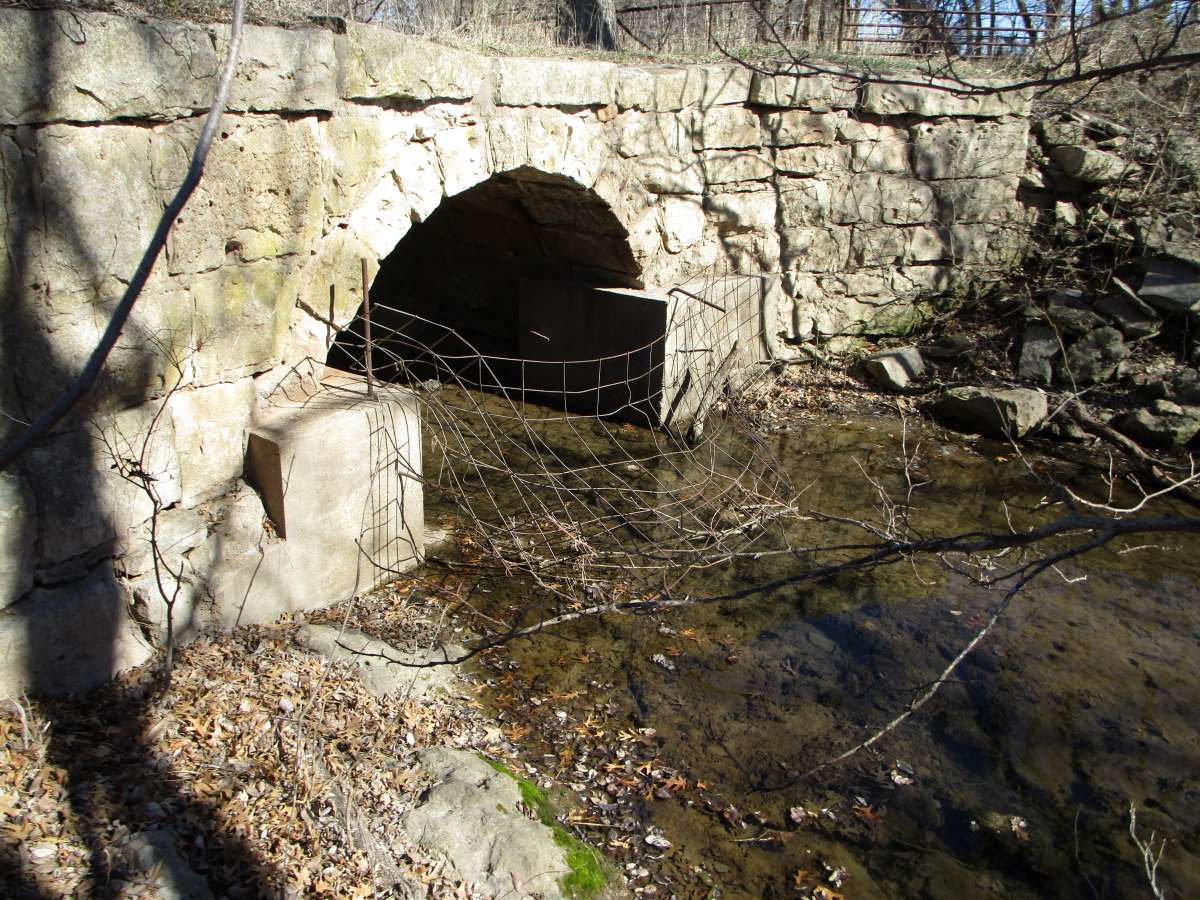
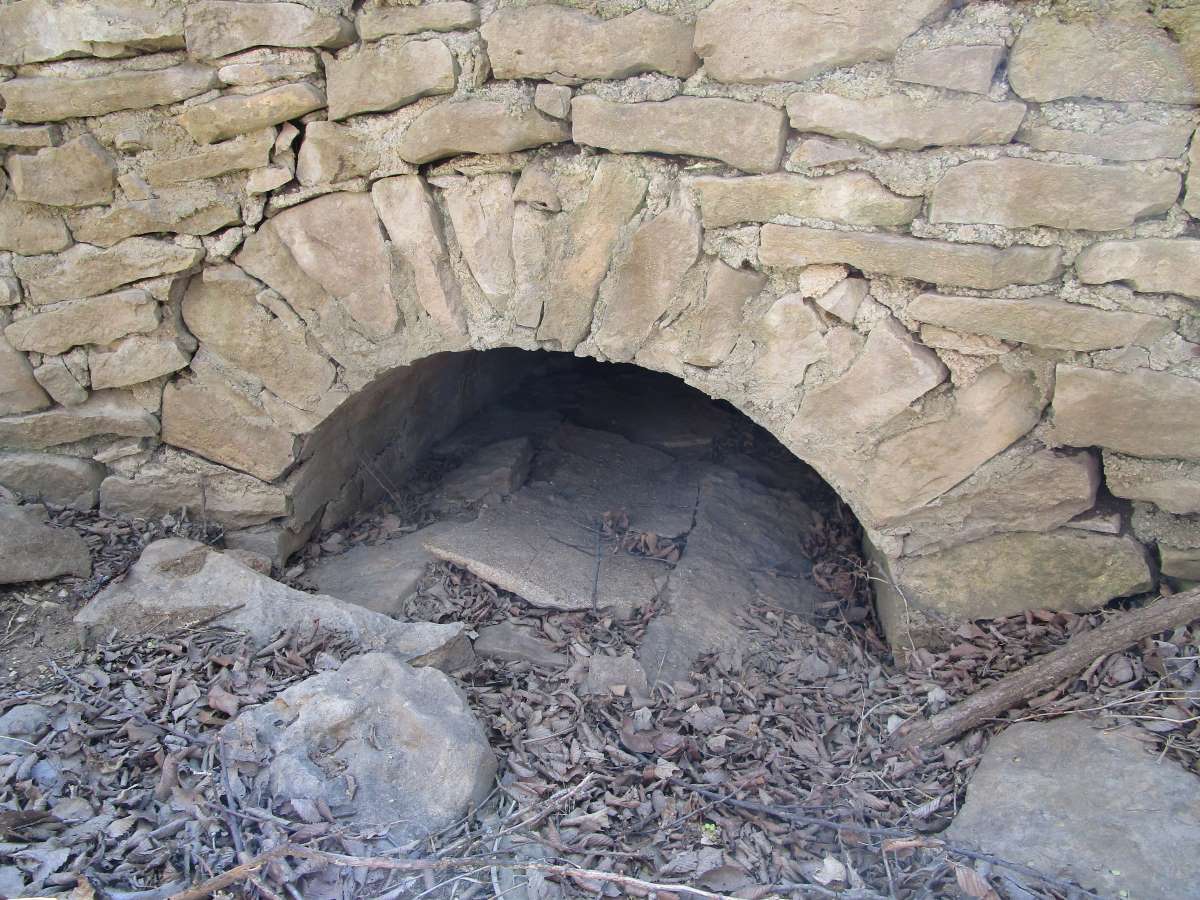
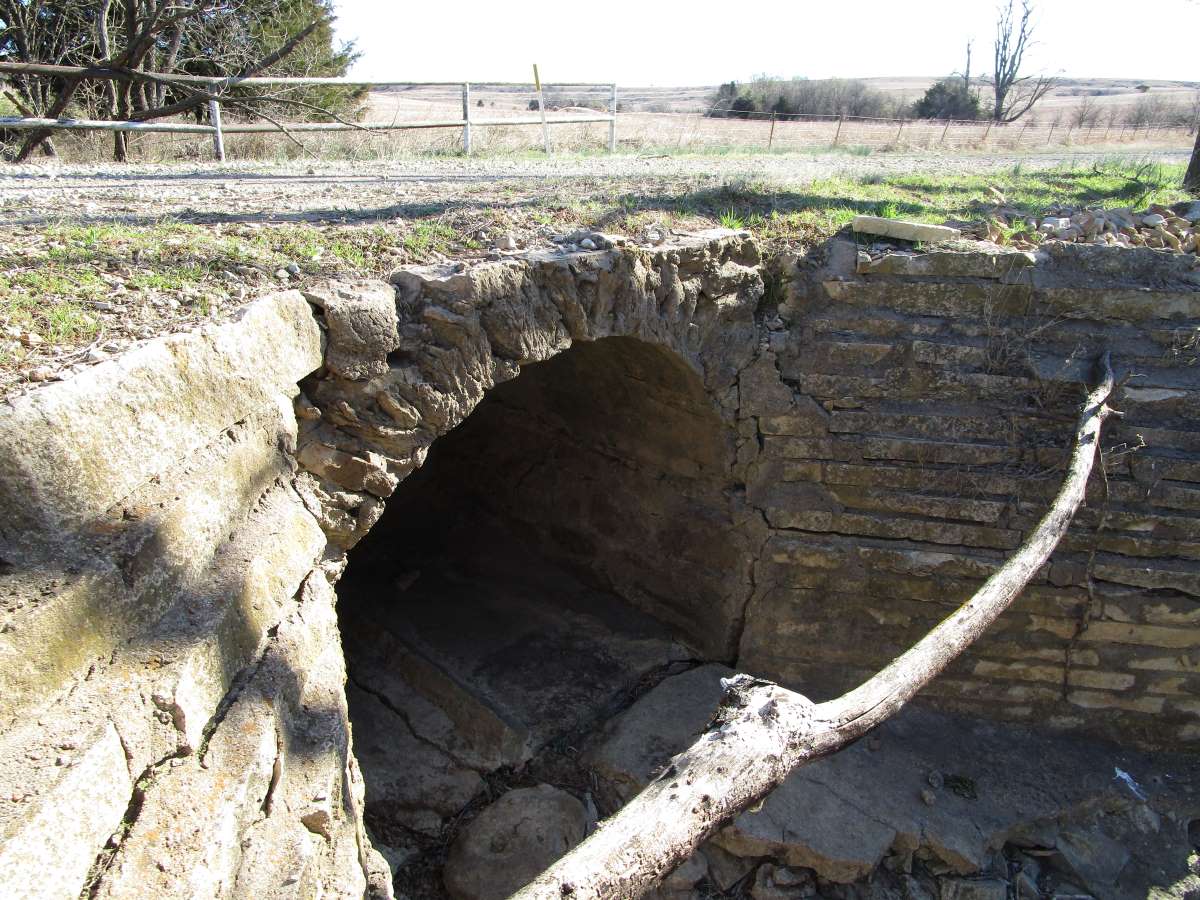


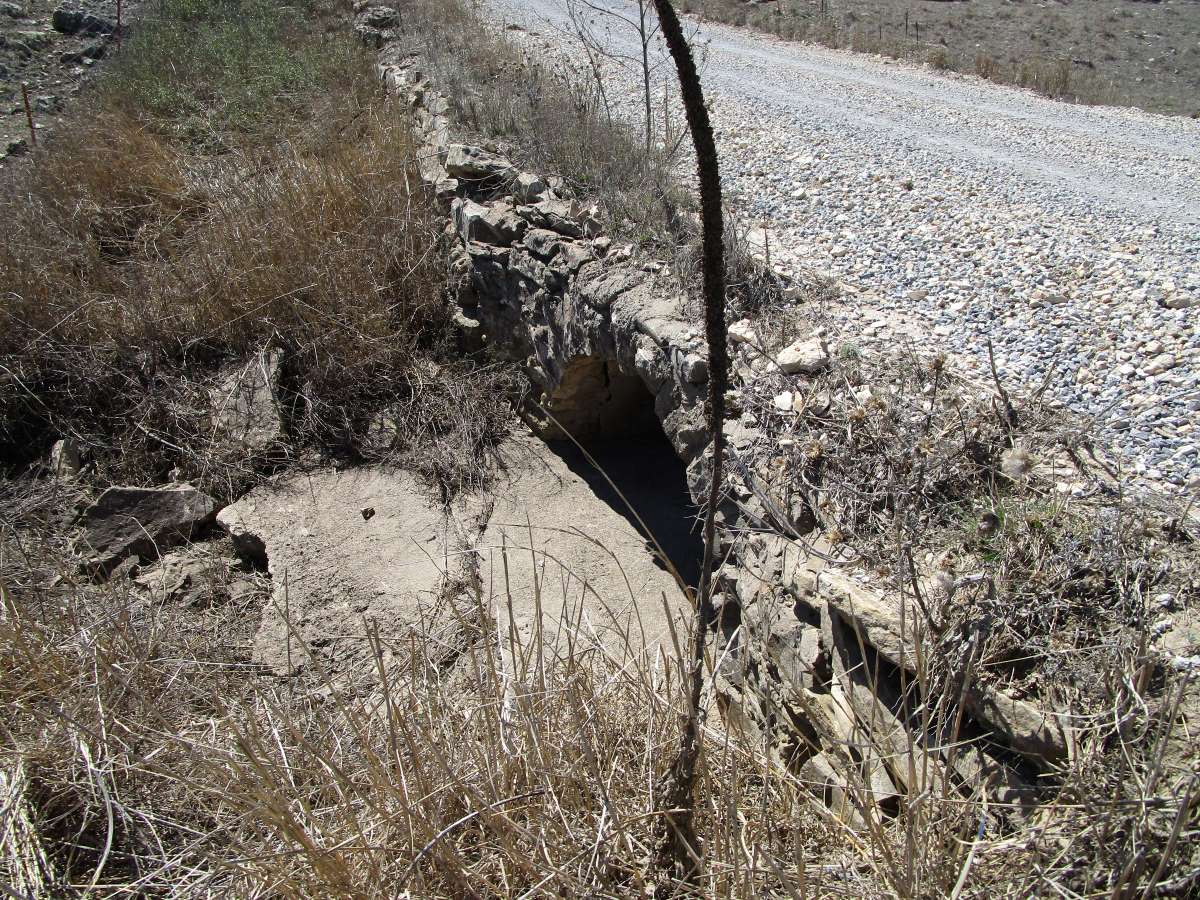
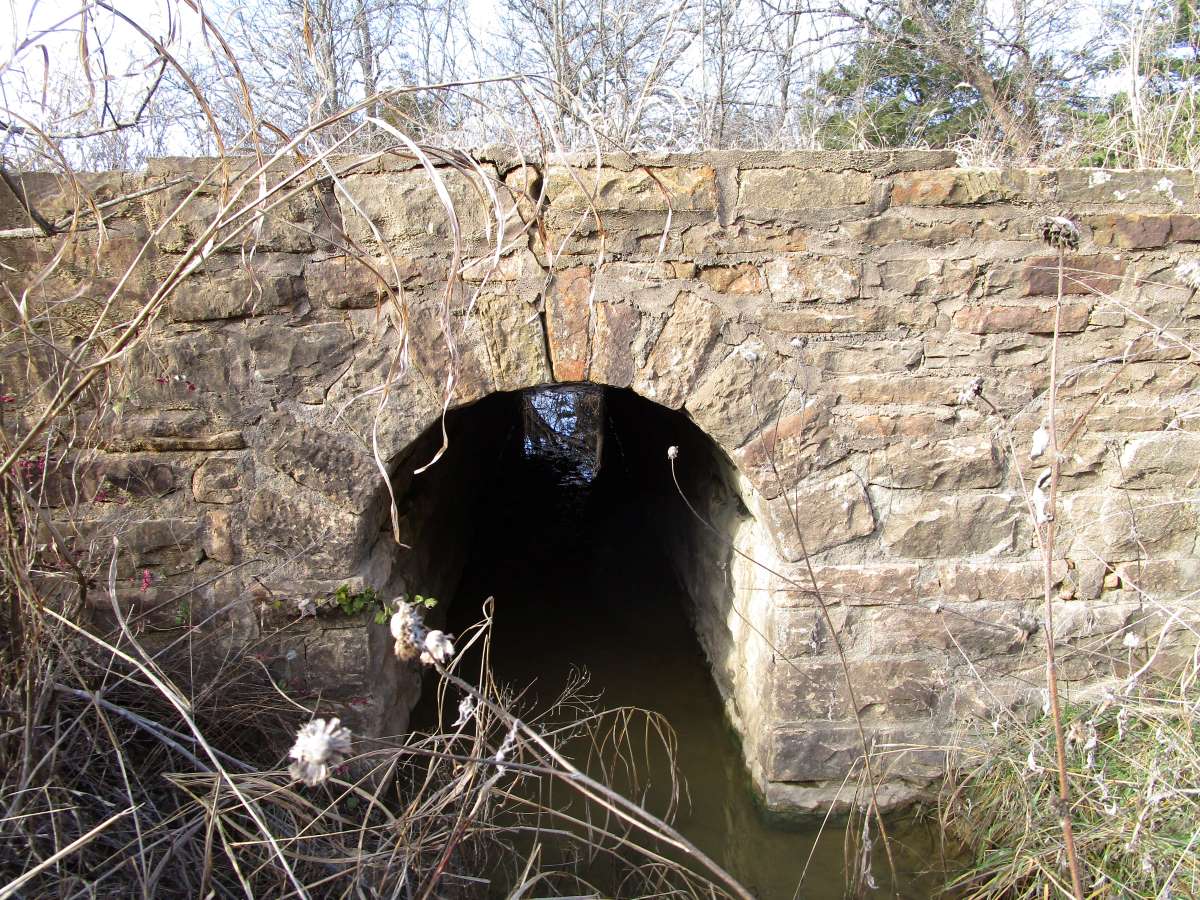
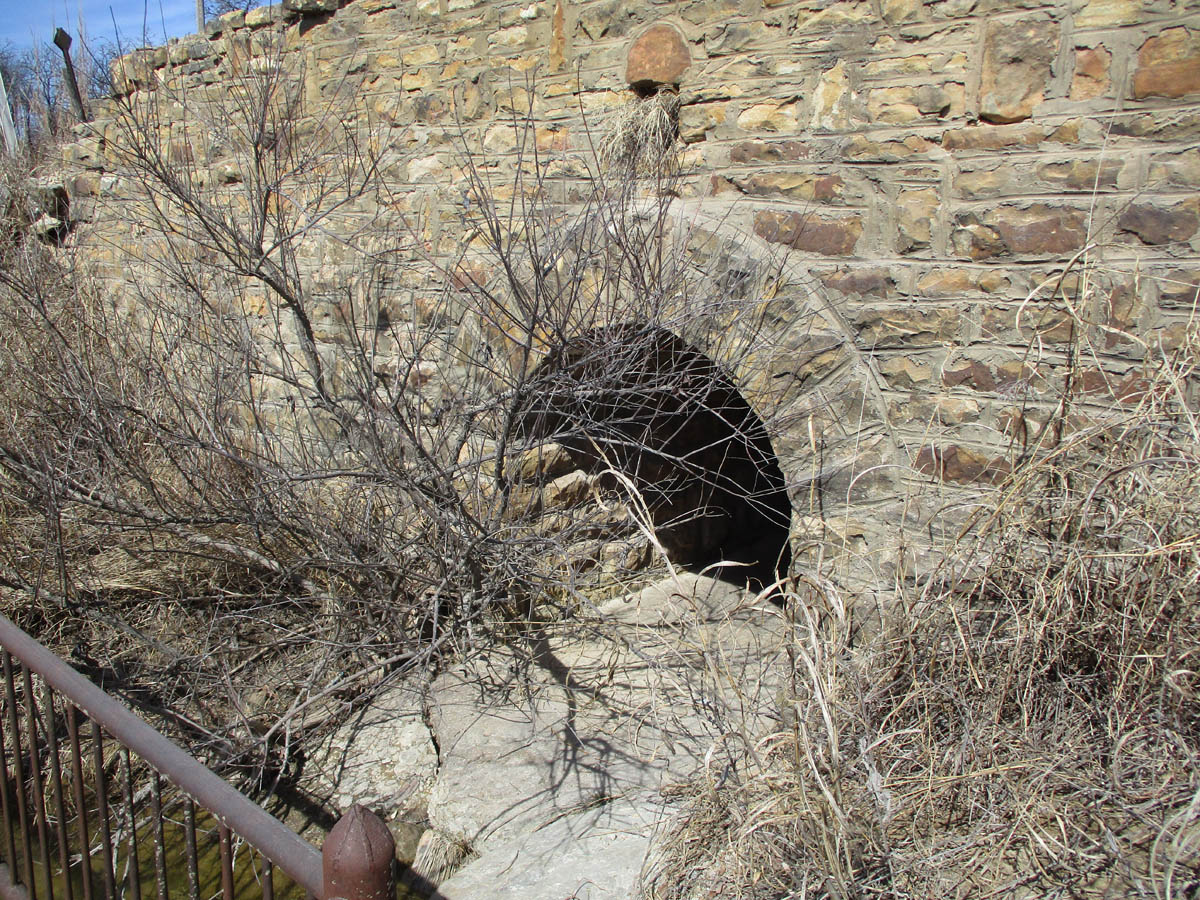
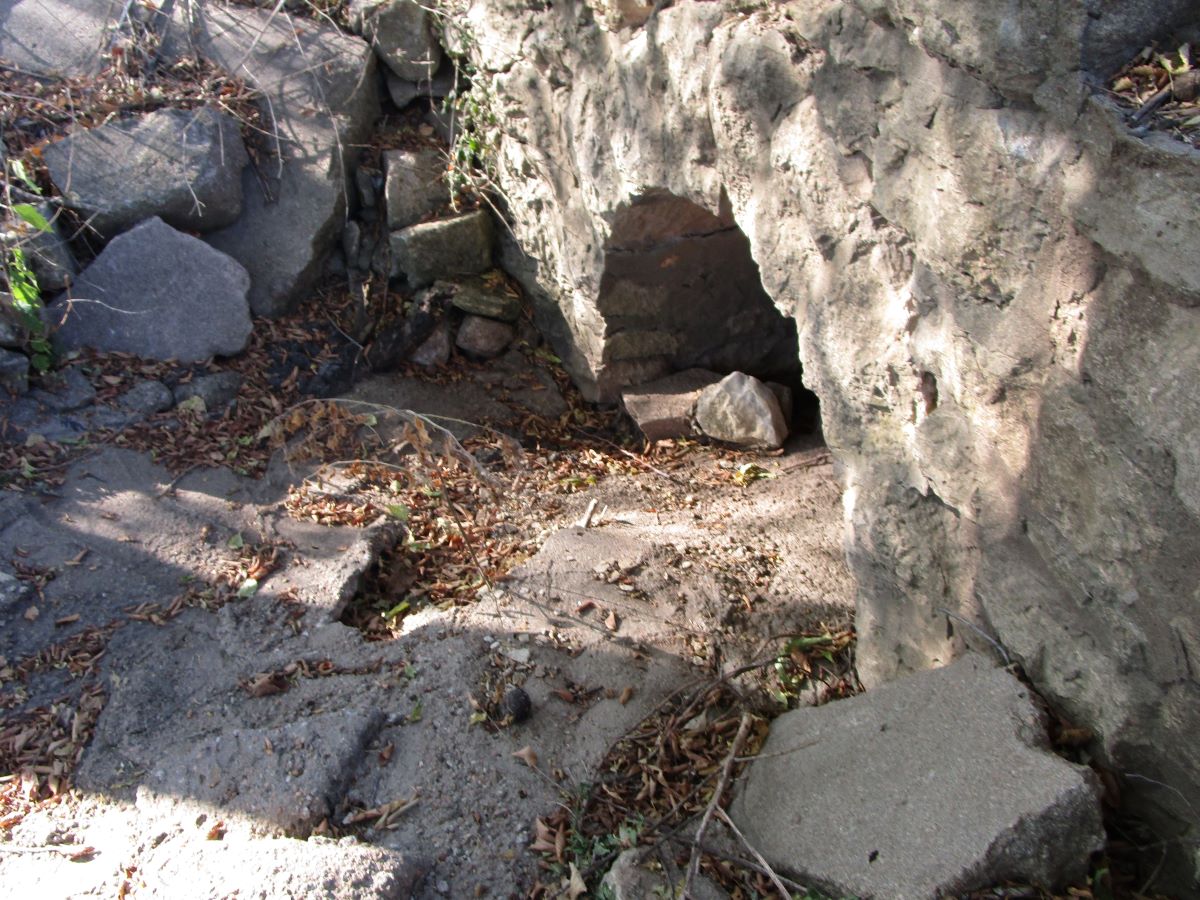
Studying various stone bridges and culverts is interesting, for it is incredible the subtle varieties in design revealed. With practice, it soon becomes relatively simple to recognize a style of workmanship from different eras and builders and to be able to tell the basic attributes of an old stone structure just at a glance.
 Stone Arch Bridges