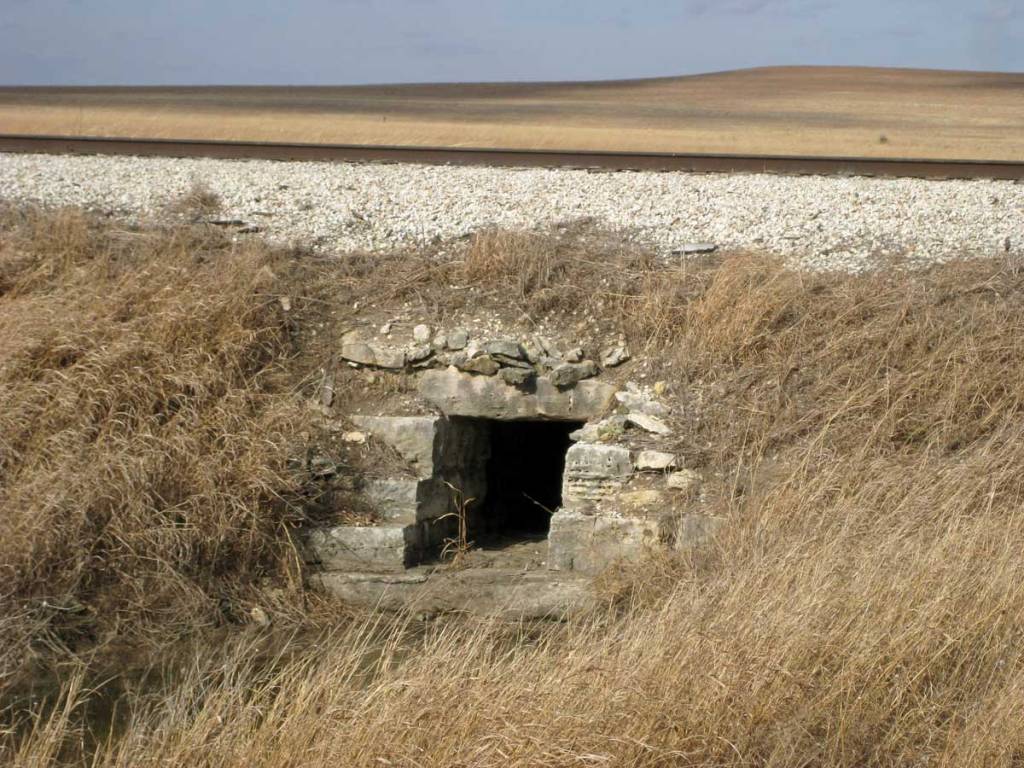
The stone slab bridge is a very early form of stone construction and is quite simple: It literally consists of two stone abutments with a large slab of rock on top to bridge the gap. Until the advent of reinforced concrete, the stone slab bridge has always been a popular choice for small culverts. However, its simplicity comes at a drastic cost: Stone makes rather weak slab bridges.
The Limitations of the Stone Slab Bridge
Stone is strong in compression, but quite weak in tension. A slab bridge sees both forces: compression on the top of the slab and tension on the underside. Thus, a stone slab culvert is a rather weak structure. This weakness can be mitigated to a degree by making the span small, however.

Individual spans of 10′ are possible with strong stone, while 5′ is more common. But spans 3′ or less are safest in most cases. The problem is, the slabs tend to crack under heavy loads, leading to failure. This is why the arch is the preferred shape for a stone bridge: there is only compression in the arch, and stone is vastly stronger in tension than compression.

Designing a Stone Slab Bridge
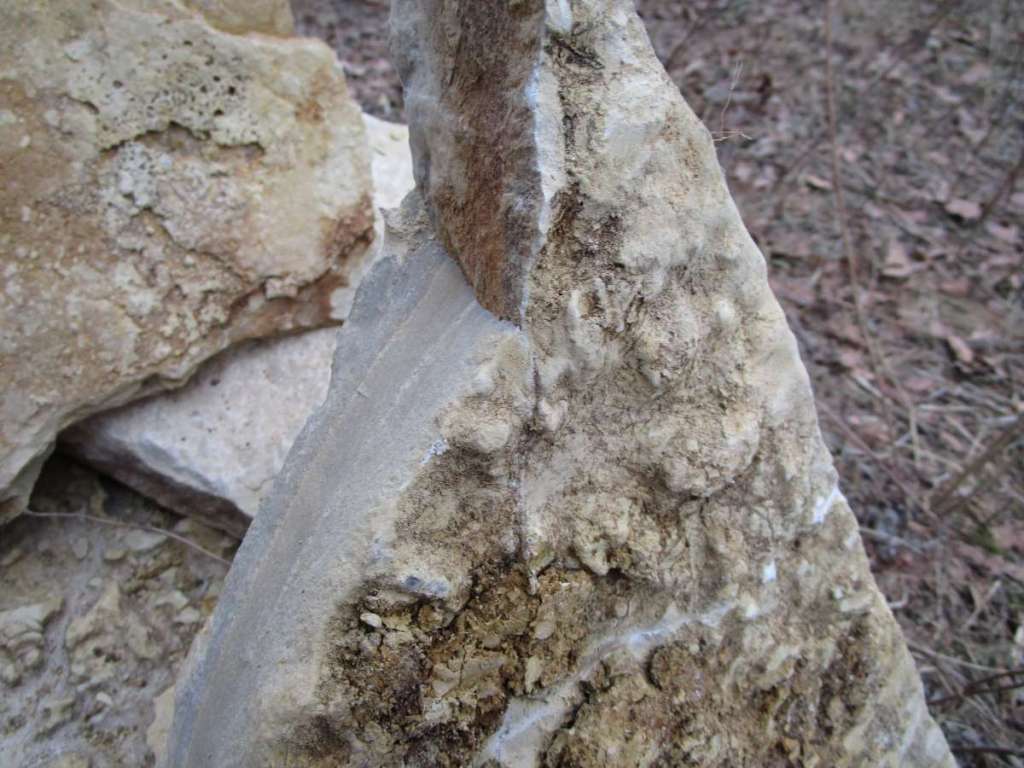
A stone slab bridge can be advantageous for a very small stream; unlike an arch bridge, the slab has no inherent rise save the thickness of the slab itself. Most stone slab bridges consist of a series of parallel stone slabs in order to achieve the full width without resorting to enormous stones. These individual lintels are easily laid, making this type of structure the easiest stone bridge to build. However, the slabs need to be adequately thick to prevent cracking, how thick is thick enough being extremely dependent on the hardness of the stone used. Even for a given type of stone the hardness varies considerably over different localities, so it is hard to make a rule of thumb beyond the thicker the stronger. Furthermore, the stone needs to be assessed for natural cracks or fissures that could give rise to failure; only solid pieces should be used. Unfortunately, a visual inspection may not find all the natural weaknesses.
In the final tally, while a stone slab bridge can last for a long time even under heavy loads, the uncertainties in the stones used and the natural weakness of stone in tension makes the arch a vastly superior choice for an enduring bridge.
 Stone Arch Bridges