There are a variety of different treatments for the final finish of mortar when building or repointing a stone structure. When repointing historic structures where authenticity is important, close imitation of the original surface is, of course, top priority. When building a new structure, or just repointing a non-historic building, there are several different surface treatments possible, each of which has its own pros and cons. In this post we take a look at some of these options.
Recessed Pointing
The most common type of pointing is recessed pointing. A hallmark of most brickwork, the joints are recessed such that they are a slight depth below the actual surface of the wall. This type of work is easily done in brickwork with a pointing tool. Stonework can be a little more tricky as the joints are rarely an even width (unless ashlar is used), so the standard pointing tool won’t work quite as well. Structurally, this type of pointing is durable, if done correctly. If recessed too far back below the surface of the stone, this type of work can be vulnerable to impacts, which can damage the surface of the stones easily. Worse, the gap between stones at their surfaces opens up an increased possibility of an impact being able to lever a stone out. That said, in most stonework where the joints are not excessively wide, recessed pointing should be quite durable. Aesthetically speaking, recessed pointing looks quite nice, and gives a very finished, “professional” look to any masonry.

Flush Pointing
Flush pointing consists of leveling off the joints to the face edges of the stones to create a smooth surface. The joints, therefore, are not recessed. For a cleaner look, some care and possibly tidying after application is needed to ensure that the mortar does not encroach on and cover the surfaces of the stones. When properly done, flush pointing tends to be long-lasting and durable. Perfect for stone arch bridges and other structures that may be exposed to impacts, the smooth surfaces of flush pointing help prevent any object from getting a “grip” and hence some leverage which could dislodge a stone. And, the extra depth of the mortar will help protect the interior portions of the joints as the years go by. Aesthetically, more mortar will show than for recessed pointing. For a structure with small stones and large joints, the final result may show an equal amount of mortar to stone, which will not be as attractive as recessed pointing will be.
Raised Pointing
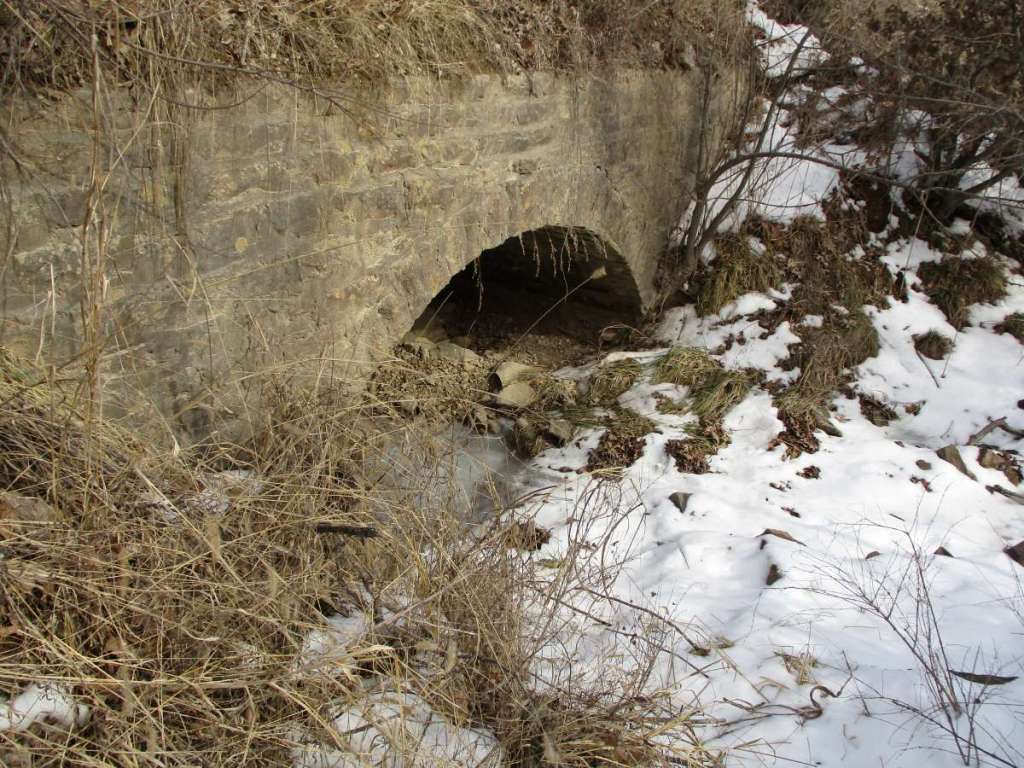
Raised pointing is a peculiar treatment where the mortar is, in fact, raised out beyond the surface of the stone. Correctly done, the pointing should not cover excess portions of the stone, just the joint itself sticks out and protrudes beyond the stone, typically to a point or some other aesthetically appealing treatment. This type of work is labor-intensive, and requires strong mortars to execute successfully. That said, the final result can look quite elegant. It is not advisable for structures that may be subjected to heavy impacts, as the mortar can easily be chipped, ruining the effect. Also, the necessity of using hard mortars makes it unsuitable for use around soft stones.
Smeared Pointing
Smeared pointing is where the mortar is ruthlessly smeared on, covering most if not all of the stones. As far as durability goes, smeared pointing tends to last long at the joints by sheer virtue of the depth of mortar that must be eroded away before the joints can be adversely affected. However, smearing mortar on the surface of the stones can trap water between the stones and the mortar if the mortar did not bond very well to the stones; this risk is increasingly likely the harder the mortar is. Water trapped between the mortar and the stones can cause considerable damage to the stones underneath if they are softer stones, such as sedimentary rock. Aesthetically, smeared pointing is very unprofessional and looks quite poorly, and is highly discouraged for any type of historic or other structure where appearance is important.


