A multi-arch bridge is a natural extension of a single-arch bridge, and, broadly, is erected the same way. But there are some notable differences, which need to be looked into. All of these differences relate to piers.
Piers vs. Abutments vs. Abutment Piers vs. No Pier at All
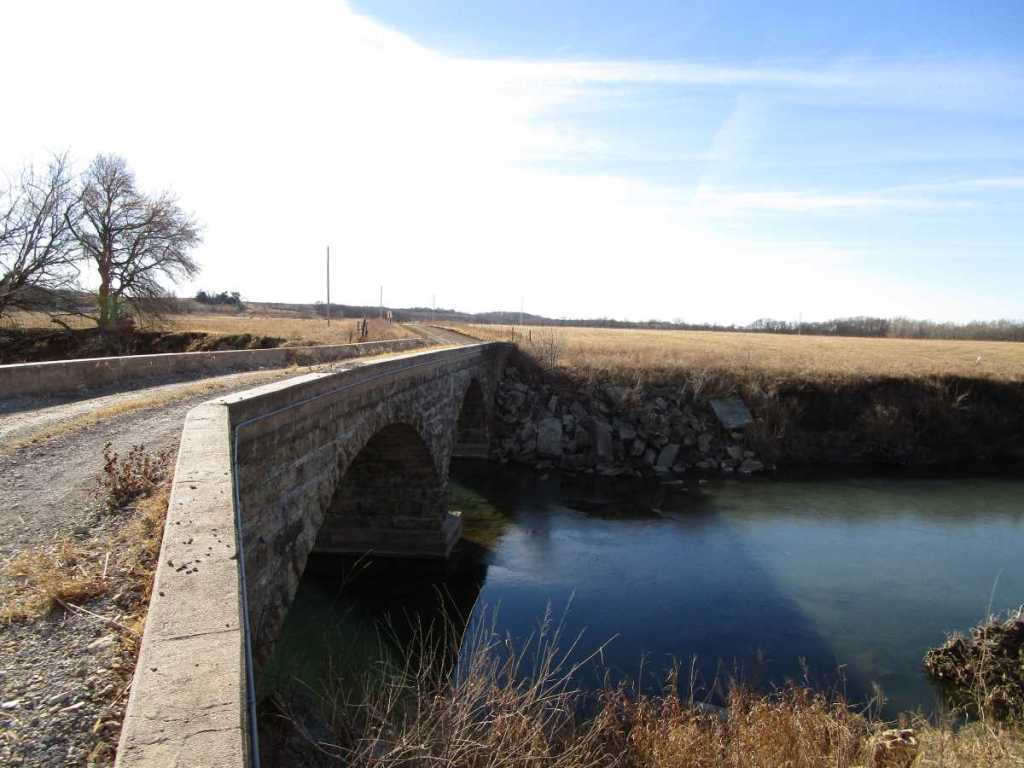
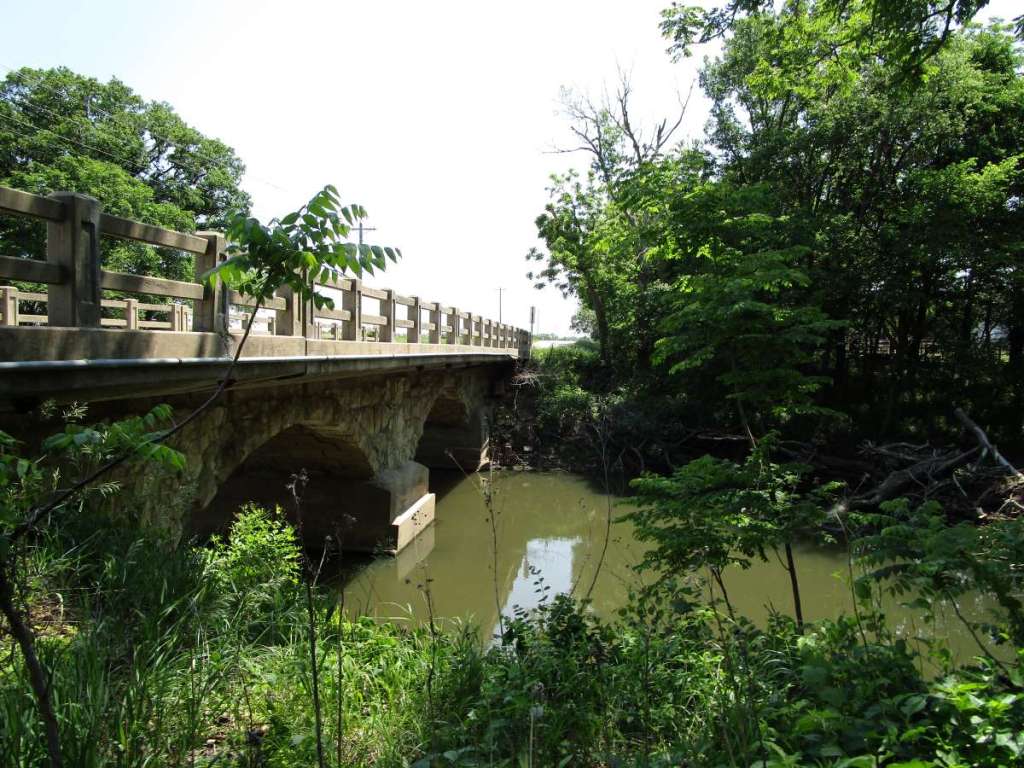
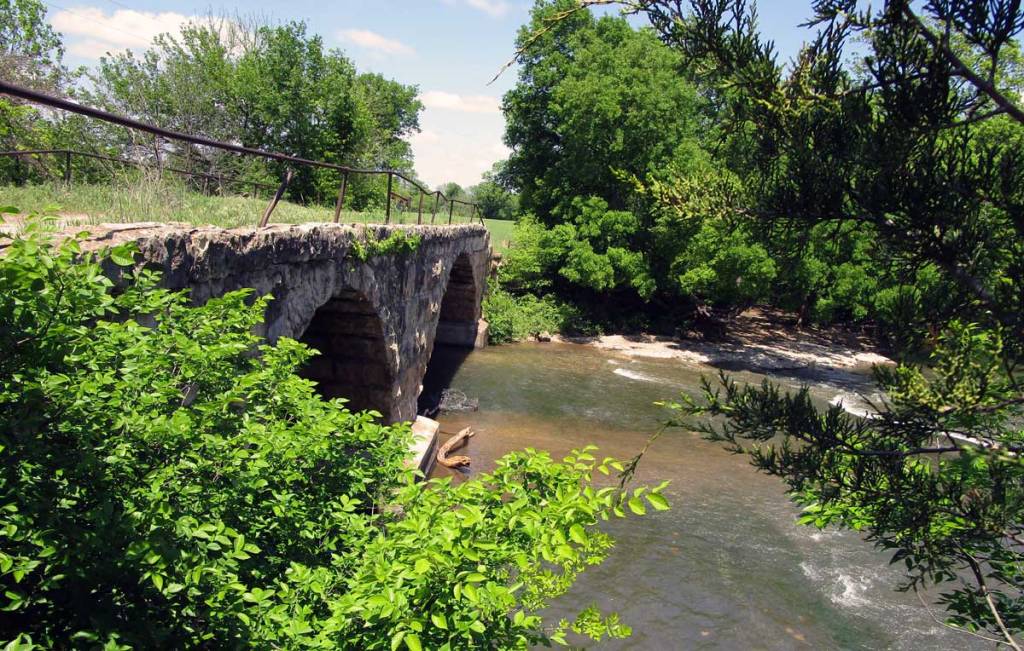
A pier is a support for two bridge spans. An abutment only supports one span, and is located at the end of a bridge. The abutment in a stone arch bridge is designed to hold all the thrust of the arch or arches, while a stone bridge pier is just a thin support with the primary job of carrying the vertical portion of the arch’s thrust. As such, a pier may or may not be able to stand if one of the two arches is removed; it can be easily tipped over. An abutment pier is designed thick enough to solidly hold the thrust of a single arch within itself regardless of the presence of another span on the opposite side. In some stone bridges there is no pier between the two arches. This only is seen in rock-bottomed streams where the spans literally start right on the streambed.

What it All Means
Besides the potential challenges of building a pier in a stream (finding a good foundation, building in water, the need for cofferdams, etc.) there is a major design consideration: namely, how will the bridge behave structurally during construction? If the pier is thin (a good idea, though, strictly from a hydraulic point of view) the arches may very well not be able to stand apart from each other. A single arch on such a thin pier will likely slide out and collapse, probably taking a good chunk of the pier with it. This will require the builder to build both arches at once! If an abutment pier is used, the arches can be built individually. The downside? Much more masonry used, much more in-the-stream work, and a much larger obstruction in the stream. Using no pier is tempting: much, much less masonry used, a much easier design, an overall simpler structure. But starting the arches at streambed level will require the builder to do arch work in a stream (not so bad if the stream is a wet-weather-only type, but very difficult if any amount of water is always flowing) and will form a large dam in the waterway, thanks to the spandrel walls between the arches.
Choosing a Design
The final design will be determined by what the builder can do. Unless the structure is very small, building two arches at once can be extraordinarily challenging and either way will require twice the formwork. How the part of the arches on the pier will be reached and built is also a concern. An abutment pier is much easier to work with, and the falsework needed is reduced as it can be dismantled when one arch is finished and then re-erected on the other side of the pier for the next arch. However, even here reaching the portion of the arches on the pier may be a little tricky unless they are small. Careful planning is required. Starting the arches with no pier is very tempting, but only will work for a stream with a solid rock bottom, and is obstructive. This type of work can be enduring, but sizing the arches such that only one of them carries the water in a normal flow is a good idea to prevent obstructing the stream too much.

