Water infiltration is a real problem for many stone bridges. For one thing, a stone arch bridge naturally tends to regularly be in wet conditions. For another, most stone arch bridges are essentially stone boxes filled with dirt and rubble to create a roadway, which is easily waterlogged. Water issues can lead to bulging spandrel walls over time, but far more serious is the stone deterioration that can occur when softer stones like limestone are kept soaked and then exposed to freezing weather.

Draining a Bridge
Most of the water-related problems can be treated by draining the bridge. Boring weep holes through the arch is an old-fashioned way of allowing water out of the fill; weep holes in other locations are also options. More modern methods include innovations like drain tile. Another route that can be taken is to replace the fill with something like concrete, which, obviously, is not prone to water saturation. One of the simplest options is to grade the roadway into a “hump” over the top of the bridge, which will allow water to run off the bridge when it rains rather than soaking in.
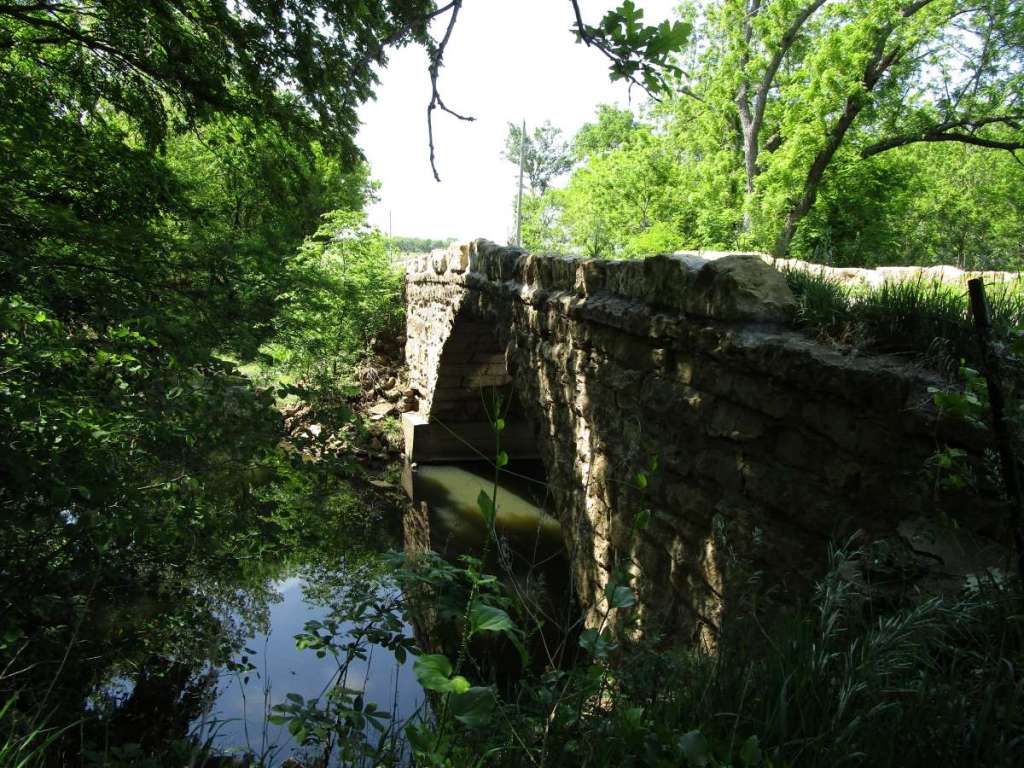
Saturation Due to Flooding
Fill saturation due to flooding is a bigger problem than rainwater soaking into the bridge. If this saturation happens regularly, replacing the fill may be the only feasible option. Drains in the bridge can help, but they must be kept clear to work. Ensuring adequate, unrestricted waterway is important, as this will at least reduce the amount of flooding the bridge must cope with.

