Author: StoneArchBridges
-
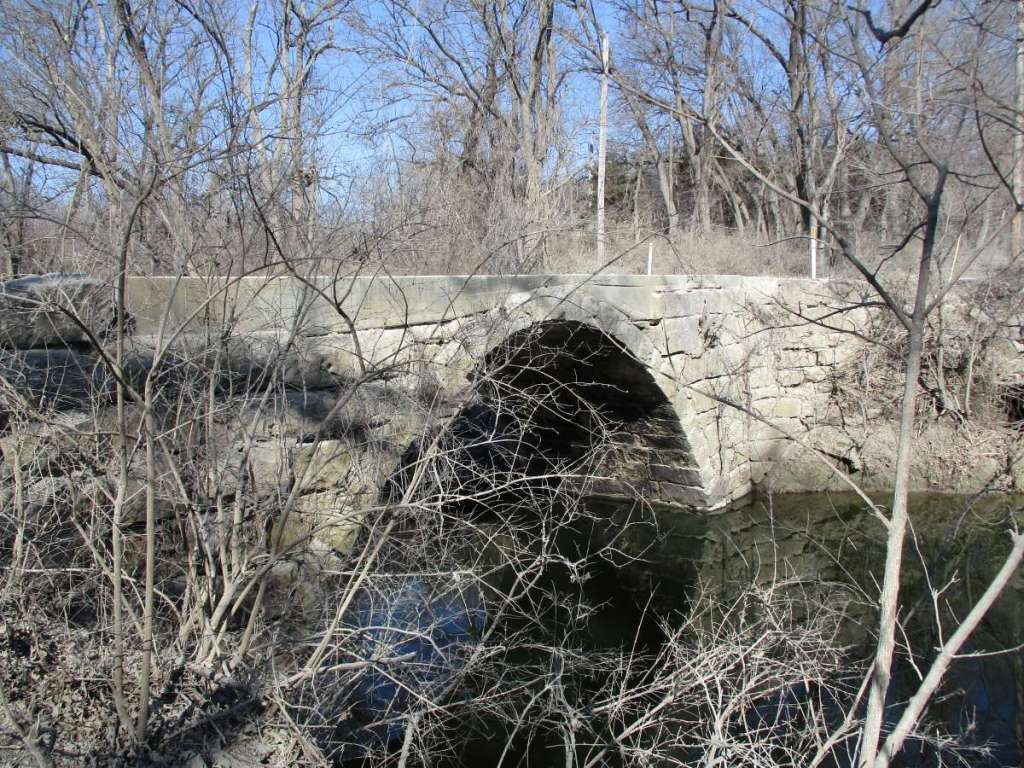
Butler Repairs the Four Mile Creek Bridge
Bulter County, Kansas, has recently repaired the Four Mile Creek stone arch bridge near Andover. At one point scheduled for “reconstruction” in 2025, this battered bridge has instead received some well-executed repairs.
-
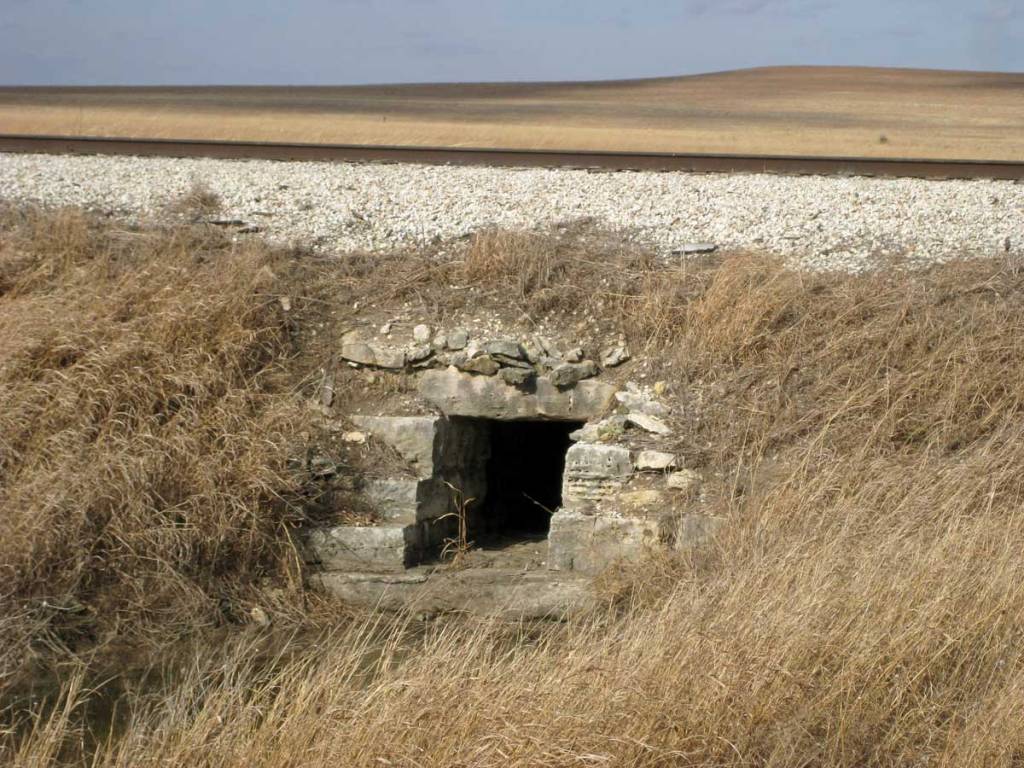
The Stone Slab Bridge
Stone slab culverts represent an early and simple way to bridge a gap with stone. However, due to the inherent structural weakness of this design, only small spans are practical, demonstrating the advantages of the arch.
-
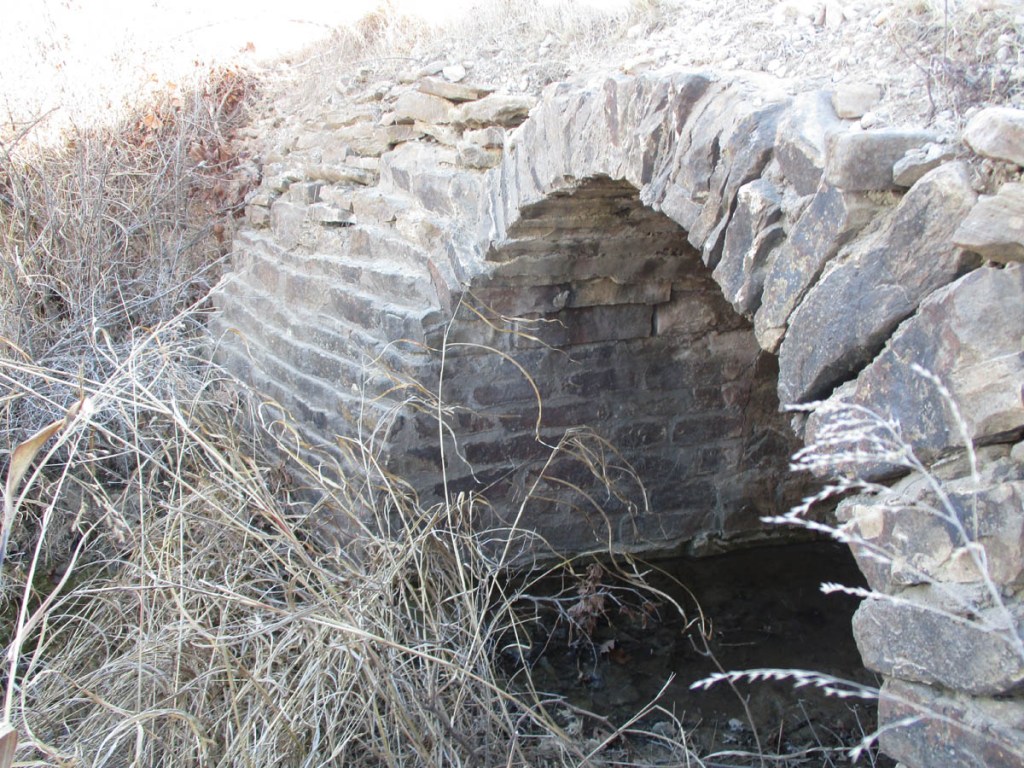
Load Distribution Within the Arch
The arch tends to gradually spread narrow loads over a larger area as the forces travel though the arch. In this post we outline why this is and some implications of this fact.
-
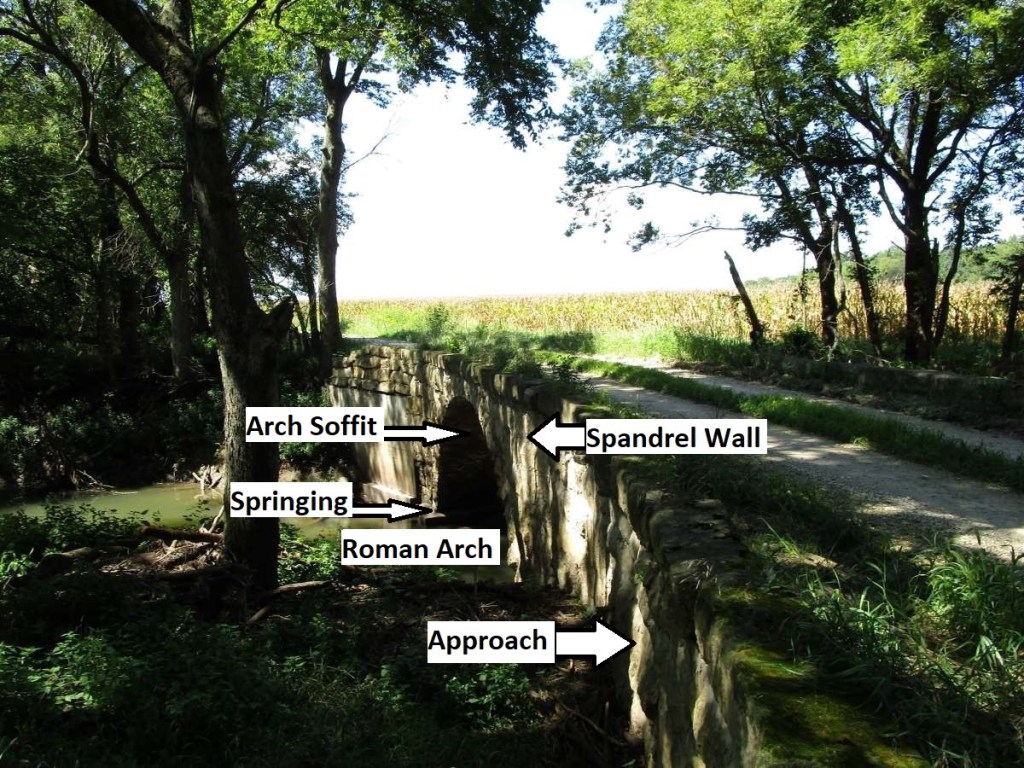
The Spandrel Wall and the Arch
Stone arch bridges feature spandrel walls in order to create a reasonably level roadway. These walls, however, are also an important structural part of the bridge, allowing it to carry heavier loads.
-
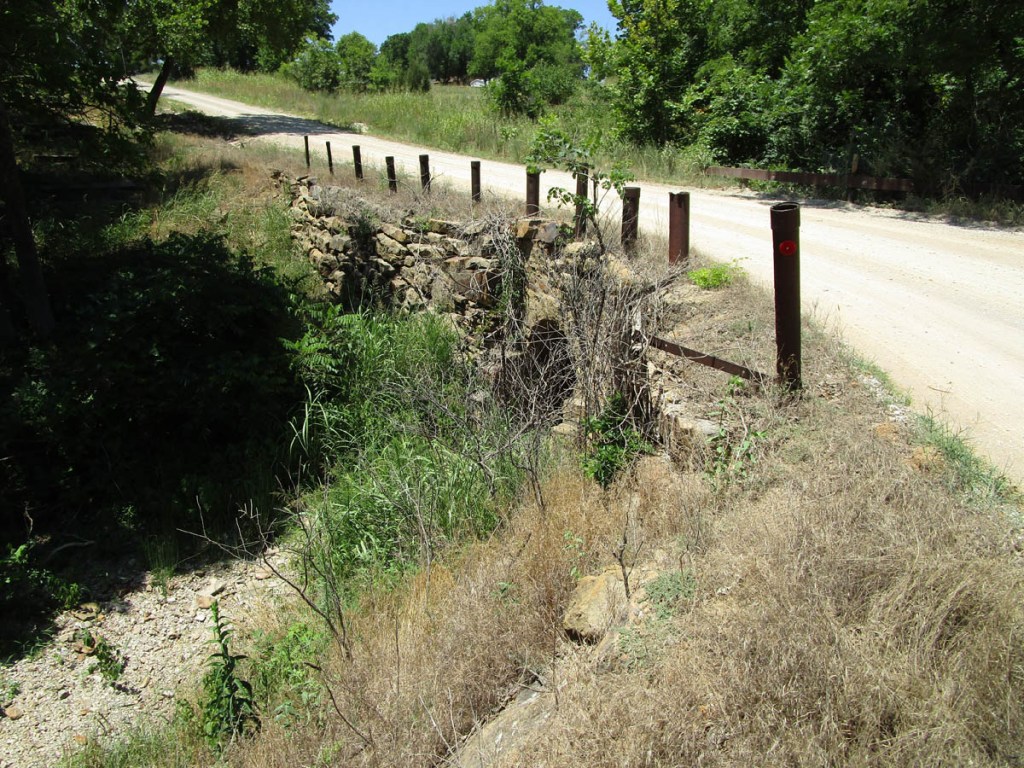
The Stone Bridge: A Continuation of the Ground Itself
Stone bridges provide a seamless transition between the road causeway and the bridge, by virtue of their construction. The typical stone bridge is essentially a retaining system for road fill.
-
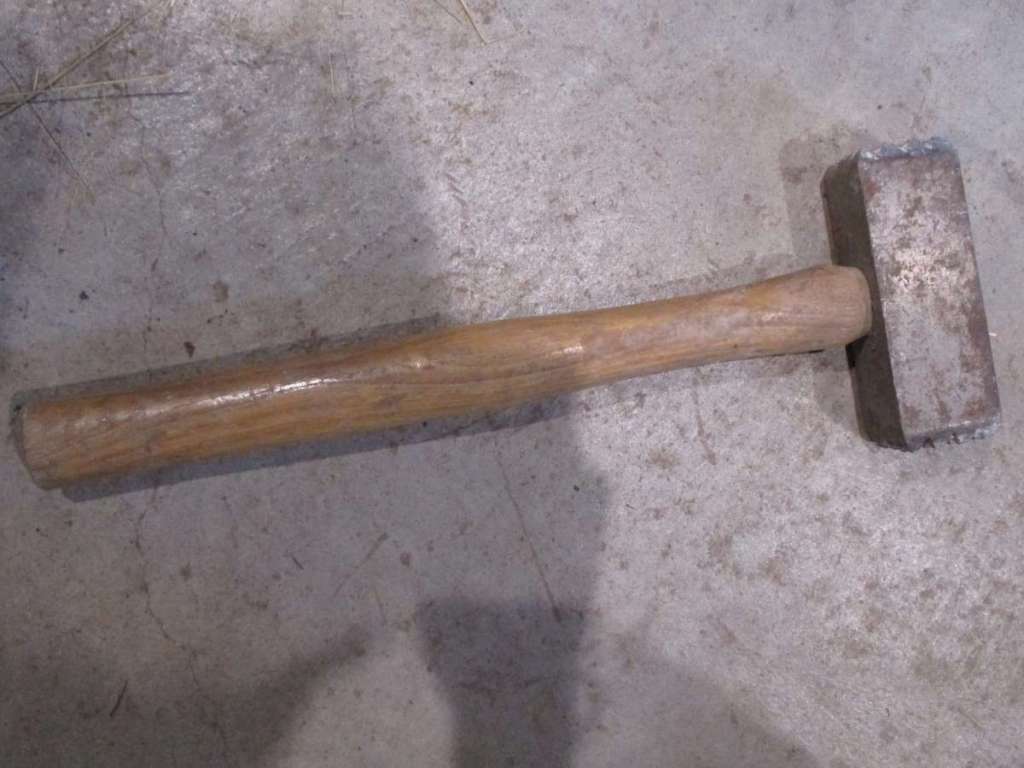
A Novel Tool: The Bushing Hammer
The bushing hammer is a specialized masonry tool that is especially useful if working with limestone. Due to its unique design, the bushing hammer is used to smooth surfaces.
-
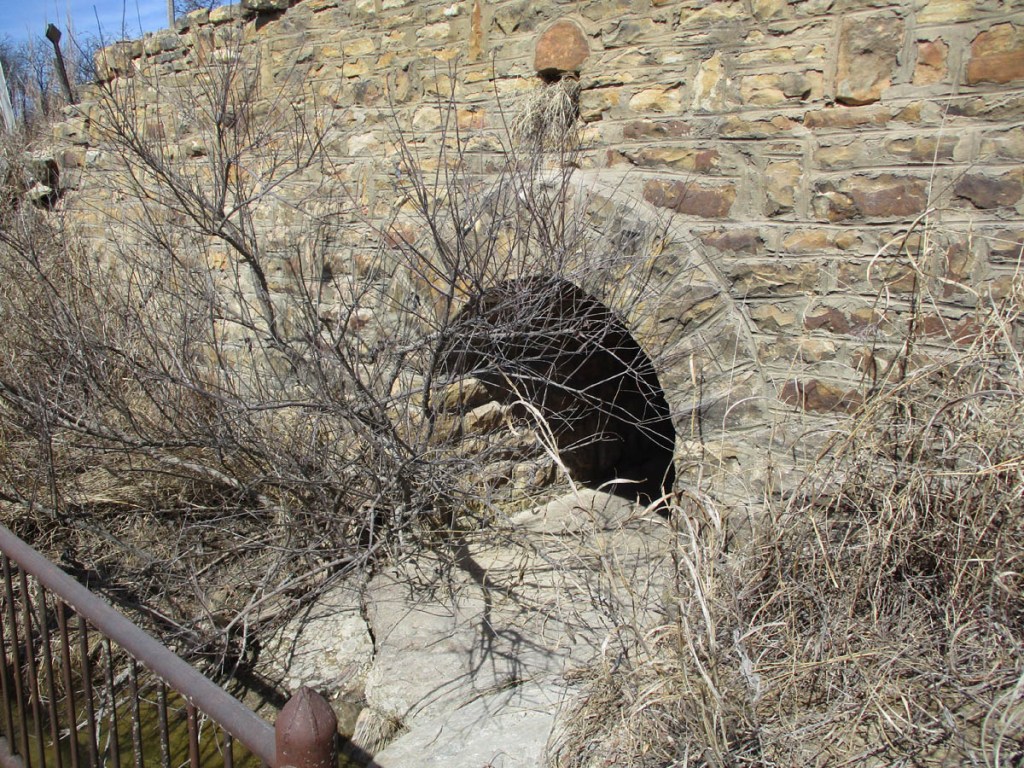
Ashlar-Faced Rubble
One type of construction often seen in high-end stonework is ashlar-faced rubble masonry. In this type of work, a strong facing of tight-fitting ashlar protects a core made of looser rubble masonry, allowing cost savings.
-

A Newer Generation of Stone Culverts
Over the course of our research, it came to our attention that there were in several places multiple eras of stone bridge construction: the stereotypical early 1900s work, and then a later style that relied heavily on cement mortars.
-
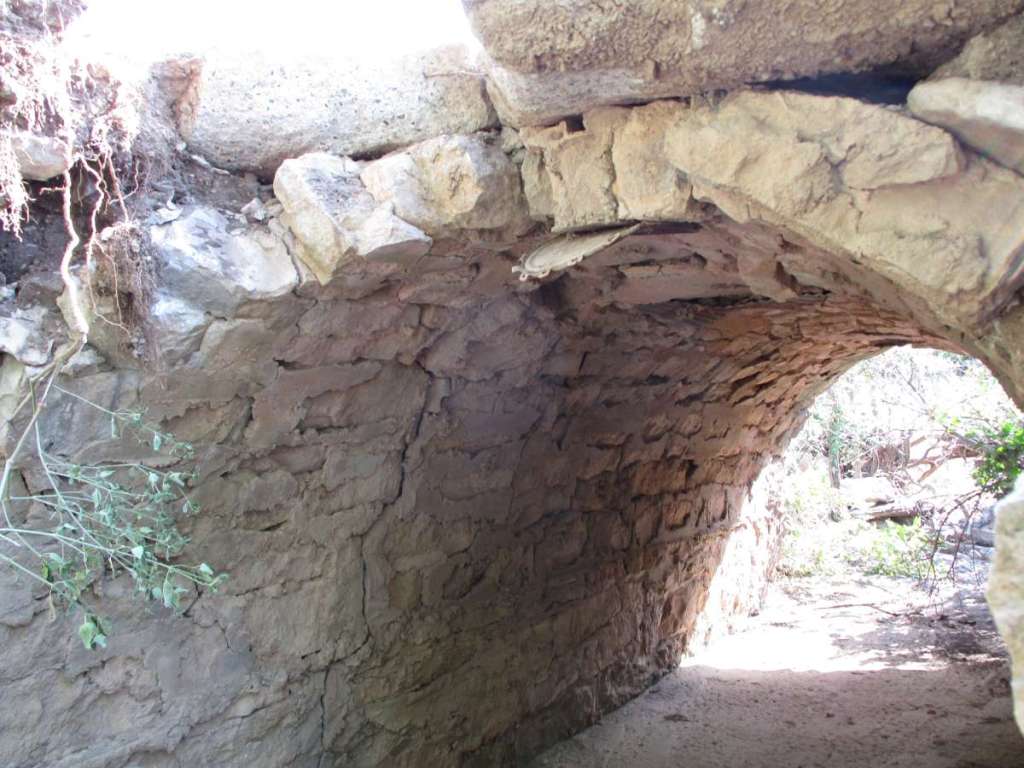
The Low-Cost Stone Bridges of the Early 1900s
A hallmark of US stone bridges and culverts built for the public roads during the early 1900s is their low-cost design. As a result, these structures tend to feature several shortcuts leading to maintenance issues.
 Stone Arch Bridges