Tag: Design
-

Placing the Keystones
Preparing and inserting the keystone into an arch composed of rubble masonry works best with some planning. In this post we investigate some tips on how to place the final stones of the arch.
-

Laying Rubble Masonry
Rubble masonry can be built for longevity. The key is how the stones are laid. Understanding the role of mortar and the importance of contact between stones is the key to success.
-

Stone Bridge Railings
Adding a traffic or pedestrian barrier to a stone bridge is probably a good idea for any bridge that is reasonably sizable. In this post, we explore several options and how to apply them.
-
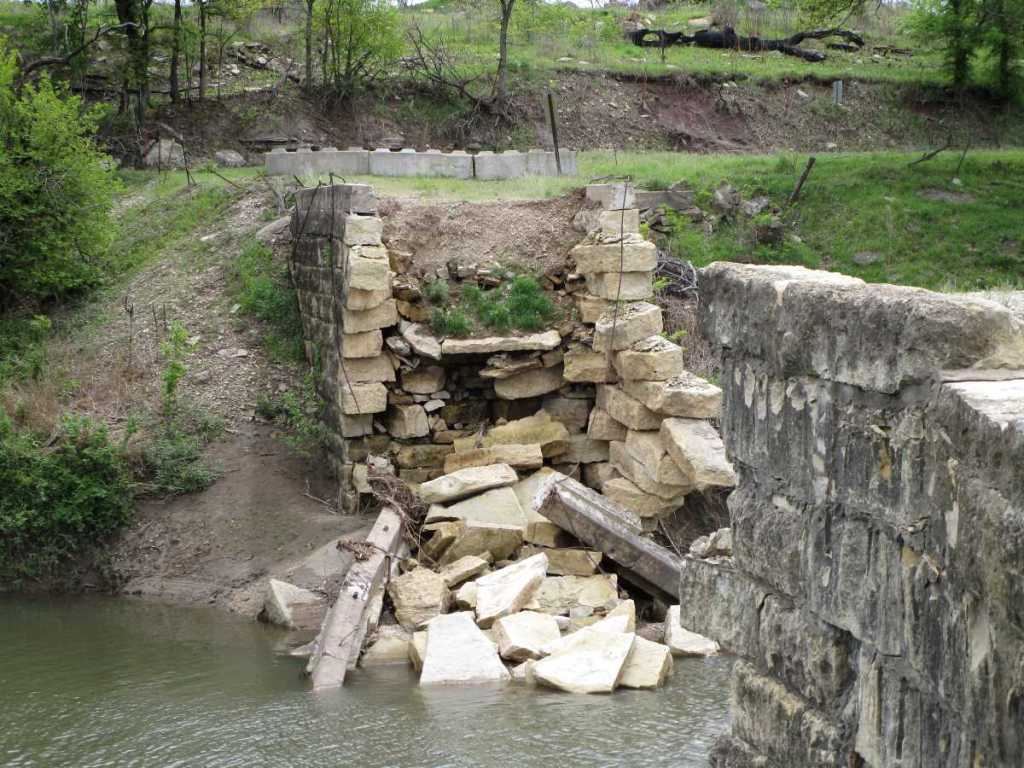
Understanding Three-Leaf Masonry
Three-leaf masonry is a form of masonry construction that consists of stone facing walls protecting a lower quality interior fill. In this post we investigate this type of masonry and its implications for repair.
-

Rubble Arch Building: Choosing the Stone
Though some care is used in selecting and placing the stones in a rubble arch, rubble masonry can be readily used to build a strong arch for a stone arch bridge.
-

The Challenge of Small Arches
Small stone arch bridges present some unique building challenges by virtue of their small size. In some ways they are more difficult to build and less efficient in their use of material than larger arches.
-

Deciding Where to Build a Stone Bridge
Some locations are more ideal for building a stone bridge than others. In this post, we look at what sort of stream characteristics are ideally suited for easy stone bridge construction.
-
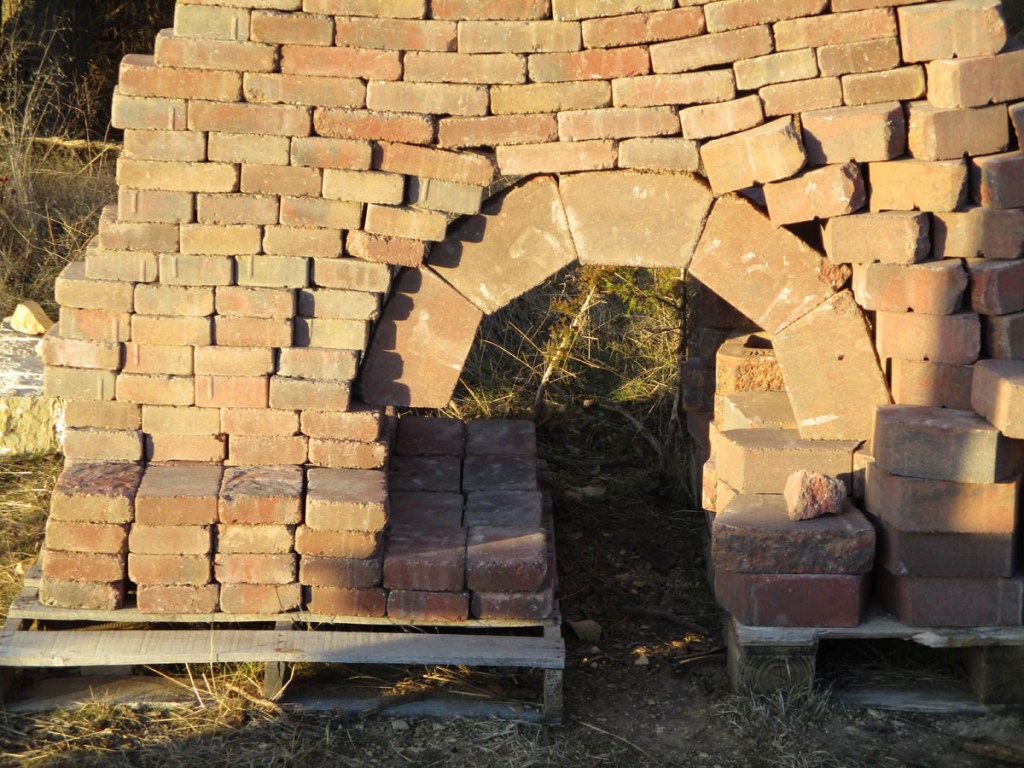
The Thrust of the Roman Arch
The Roman arch has many subtle peculiarities, which in turn make it a good choice for bridge design. In this post we delve in depth into the properties of the Roman arch.
-

Abutment Design Theory
Designing a stable abutment for a stone arch bridge requires that the abutment be thick enough that the thrust line of the arch be safely contained within the thickness of the abutment.
 Stone Arch Bridges