Tag: Forces
-
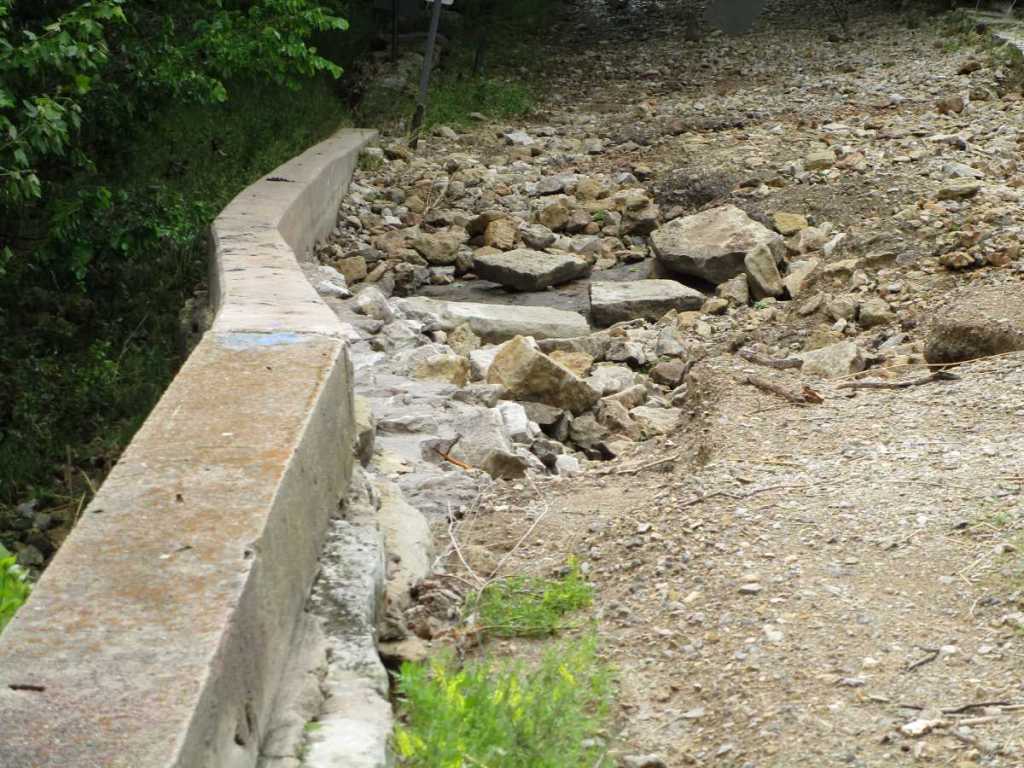
Fill Work on a Stone Bridge
Fill work on a stone arch bridge is best done cautiously, as the fill tends to play an important role in the overall stability of the bridge. Here are some tips and possible pitfalls for this type of maintenance.
-
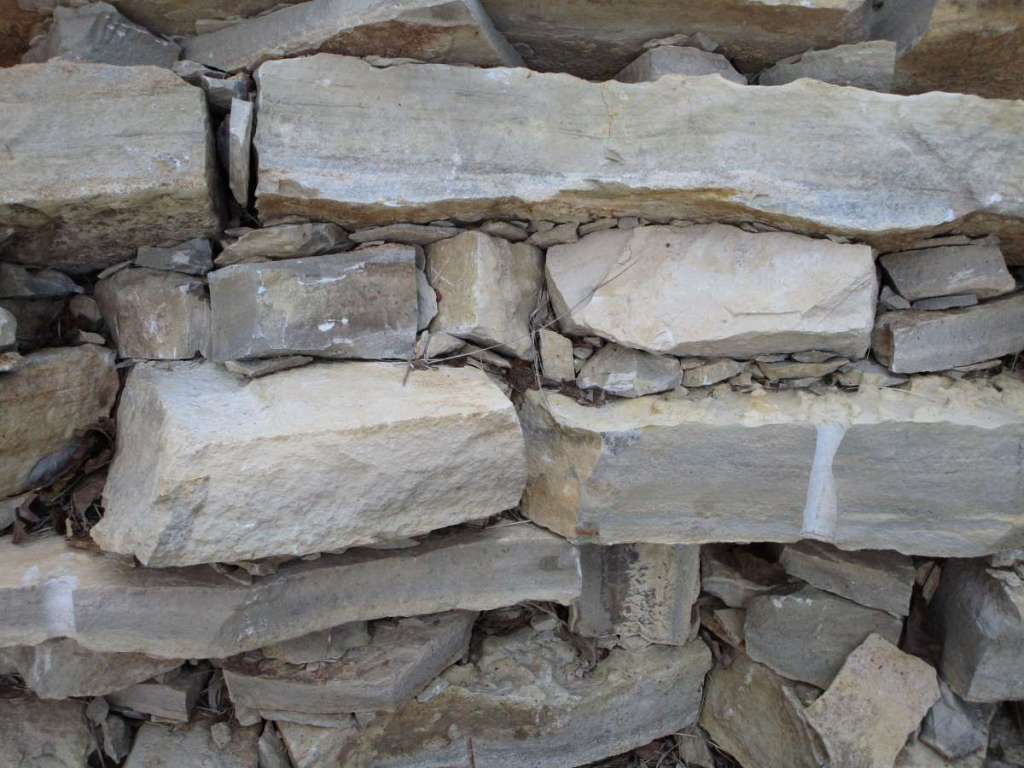
Natural Bedding
The natural bed of a stone is the direction in which it was resting before it was quarried. A stone placed on its natural bed will tend to outlast one laid on end.
-

Laying Rubble Masonry
Rubble masonry can be built for longevity. The key is how the stones are laid. Understanding the role of mortar and the importance of contact between stones is the key to success.
-

The Significance of Cracking
Cracks in masonry indicate tension in the structure. The nature of the crack provides clues to the underlying cause of this stress, and can be a very clear indicator of structural problems.
-
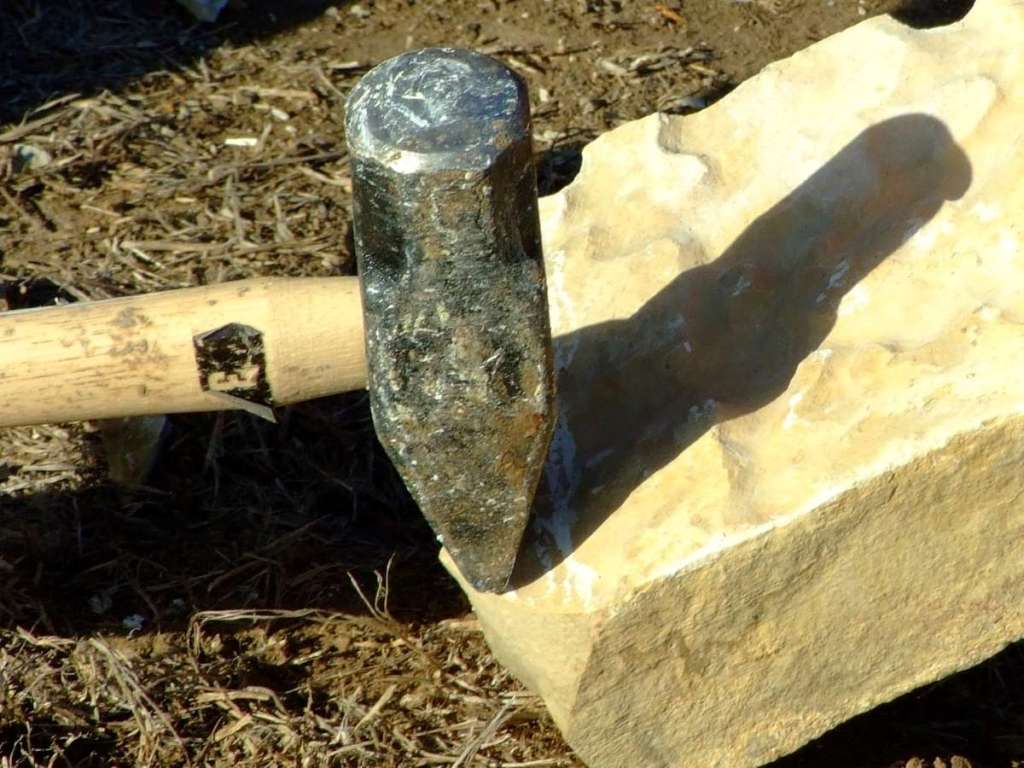
Choosing Stonecutting Hammers
Choosing the correct hammer can aid considerably in stonecutting. The weight of the head, the material of the handle, and whether the hammer is blunt or pointed all play an important role in the usage of the tool.
-

Hinges and the Arch
Hinges are a part of how an arch collapses. In this post we investigate hinges, how they can be formed, and the ramifications for a stone arch bridge.
-
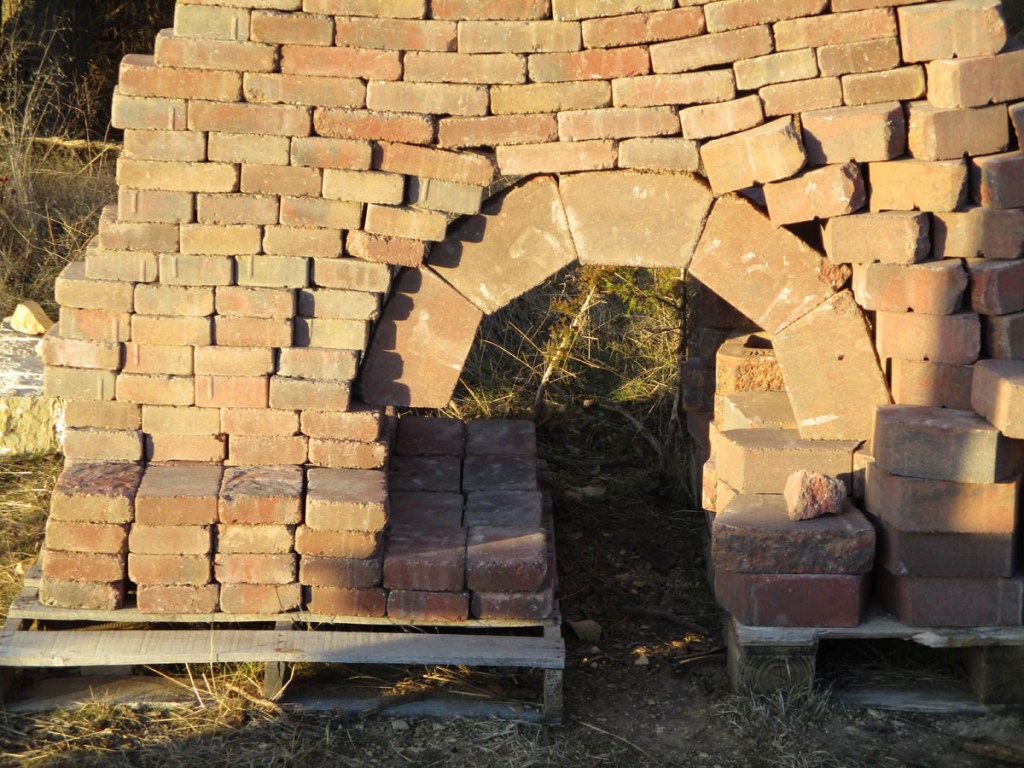
The Thrust of the Roman Arch
The Roman arch has many subtle peculiarities, which in turn make it a good choice for bridge design. In this post we delve in depth into the properties of the Roman arch.
-

Abutment Design Theory
Designing a stable abutment for a stone arch bridge requires that the abutment be thick enough that the thrust line of the arch be safely contained within the thickness of the abutment.
-

Backing: A Continuation of the Abutment
Backing is used to provide resistance to the thrust of the arch of a stone arch bridge. In this post, we investigate good practice and using the backing, and demonstrate how it helps to significantly strengthen the arch.
 Stone Arch Bridges