Tag: Forces
-

The Importance of Friction
Friction is a crucial factor in stone arch bridge stability, and, when the line of thrust is solidly within the arch, holds the arch stones firmly in place.
-
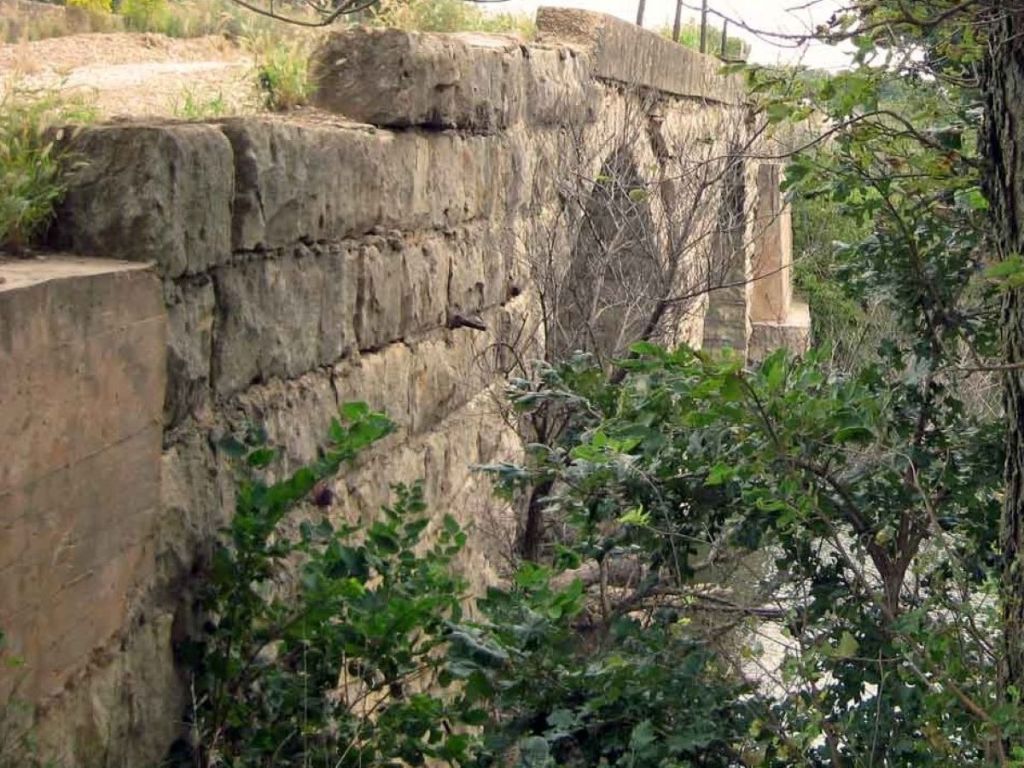
When Walls Bulge
Bulging walls in the approaches and spandrel walls of a stone arch bridge indicate excessive force against them. This type of problem is fairly simply addressed.
-

Understanding Longitudinal Cracks in Arches
Longitudinal cracking is a common defect on stone arch bridges. While often not overly serious, under the right conditions this cracking can indicate a major problem.
-
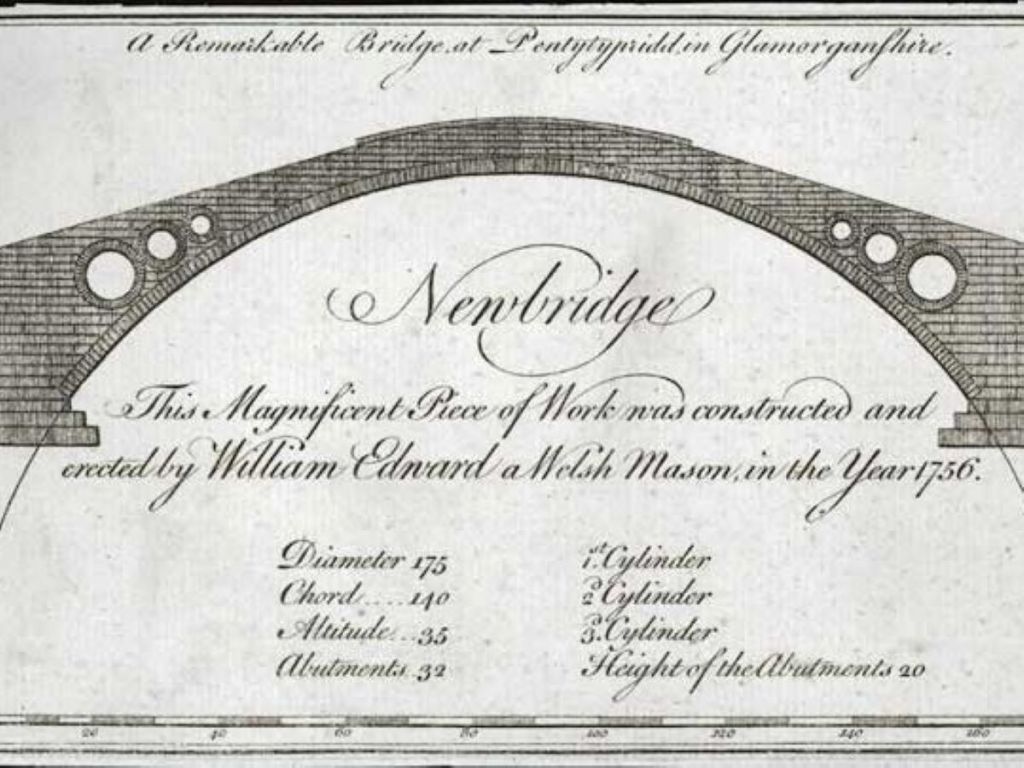
Lighter Stone Bridges
Stone bridges are inherently quite heavy. This can sometimes cause foundational or arch problems, prompting designers to come up with ingenious solutions.
-
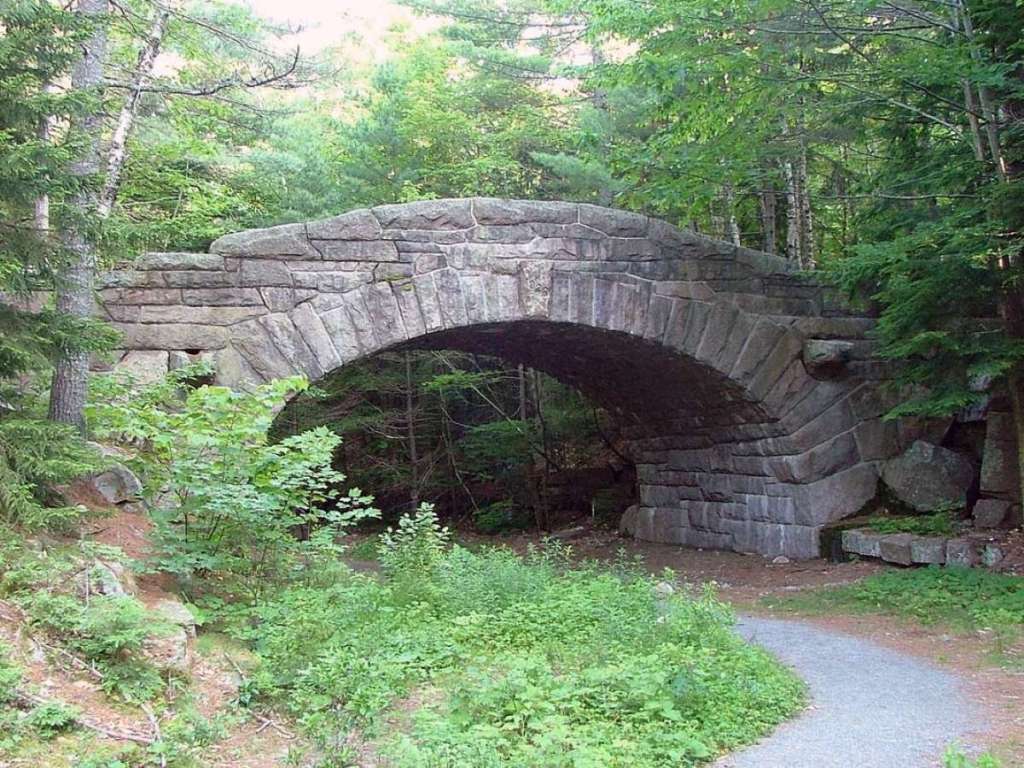
Tapered Arches
Building an arch that is tapered by making the haunches thicker than the crown is a clever way to make a strong bridge without increasing the “hump.”
-
Capping Stone Walls
The stones atop of a stone wall are fairly easily dislodged, especially for mortarless builds. Here are some ideas to help keep everything in place.
-
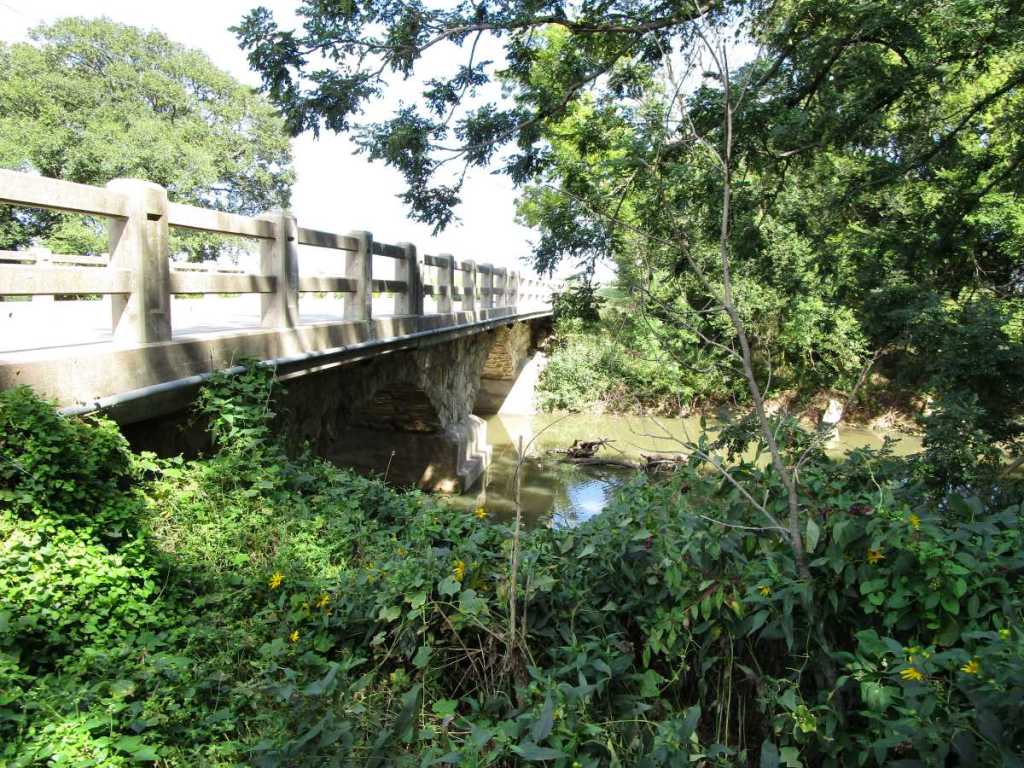
Improving a Stone Arch Bridge’s Serviceability by Strengthening: Part 2
Here are several ways to strengthen a stone arch bridge, ranging from distributing loads over the arch to relieving the bridge from load altogether.
-
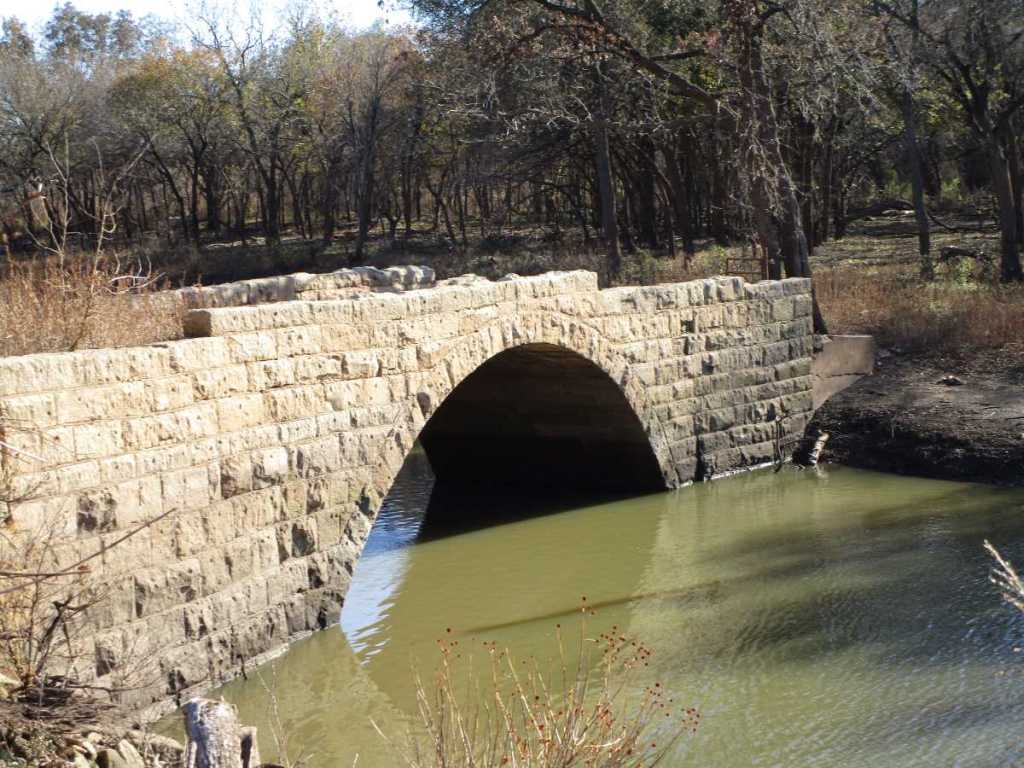
Improving a Stone Arch Bridge’s Serviceability by Strengthening: Part 1
To determine how to strengthen a stone arch bridge, it helps to understand how it behaves when overloaded in order to understand the forces at play.
-
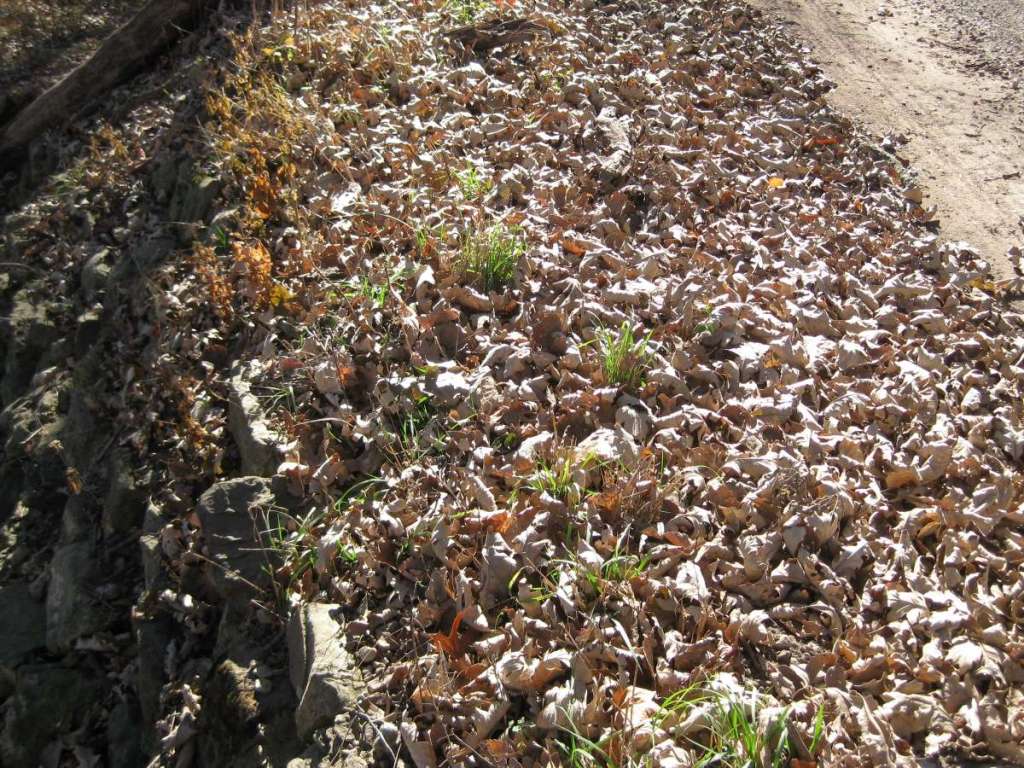
Mortarless (Drystack) Retaining Walls
Mortarless stone retaining walls have to resist the perpetual thrust of the soil they are withholding. Here are several ways this can be done.
 Stone Arch Bridges