Tag: Quality of Construction
-
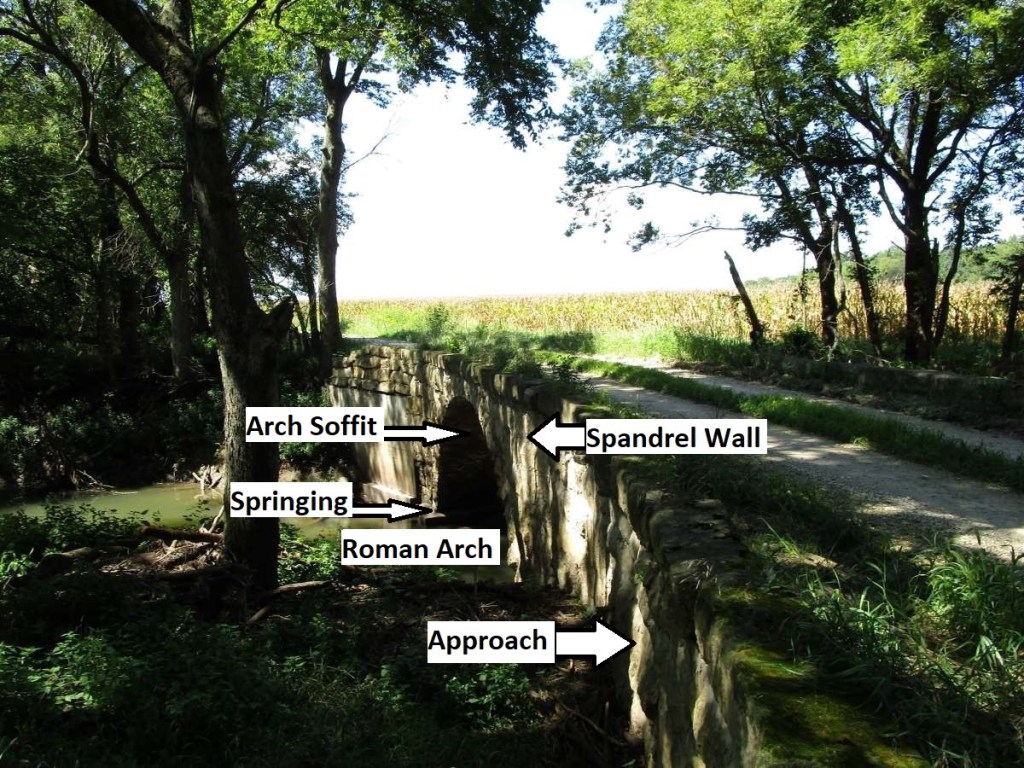
The Spandrel Wall and the Arch
Stone arch bridges feature spandrel walls in order to create a reasonably level roadway. These walls, however, are also an important structural part of the bridge, allowing it to carry heavier loads.
-
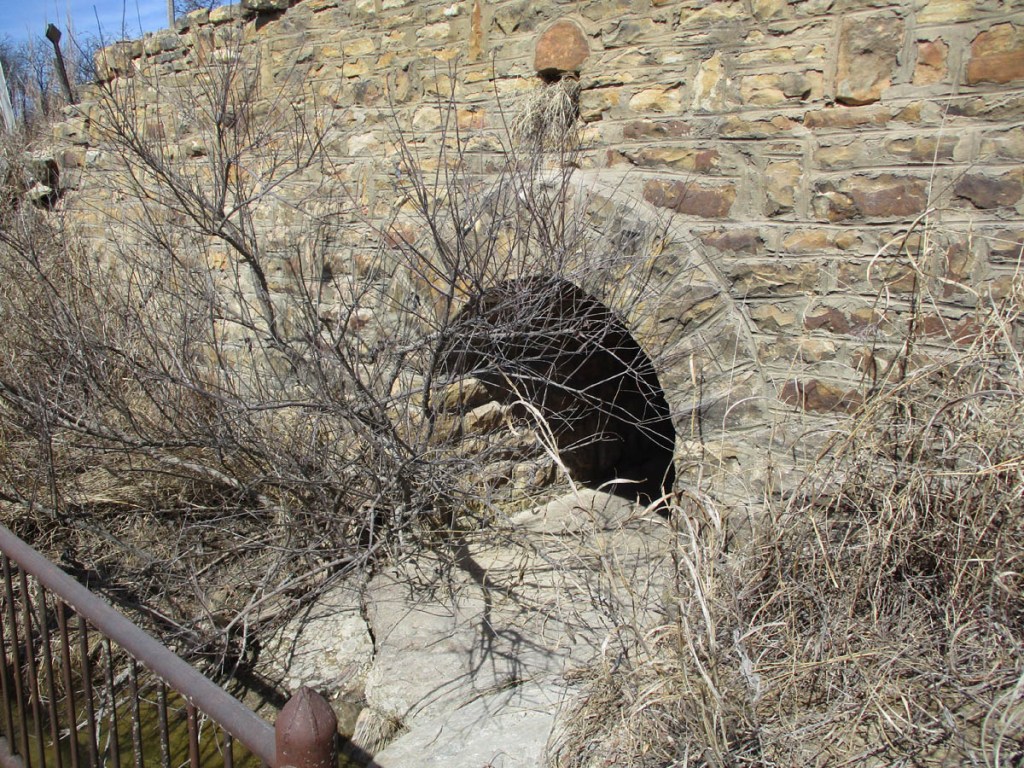
Ashlar-Faced Rubble
One type of construction often seen in high-end stonework is ashlar-faced rubble masonry. In this type of work, a strong facing of tight-fitting ashlar protects a core made of looser rubble masonry, allowing cost savings.
-

A Newer Generation of Stone Culverts
Over the course of our research, it came to our attention that there were in several places multiple eras of stone bridge construction: the stereotypical early 1900s work, and then a later style that relied heavily on cement mortars.
-
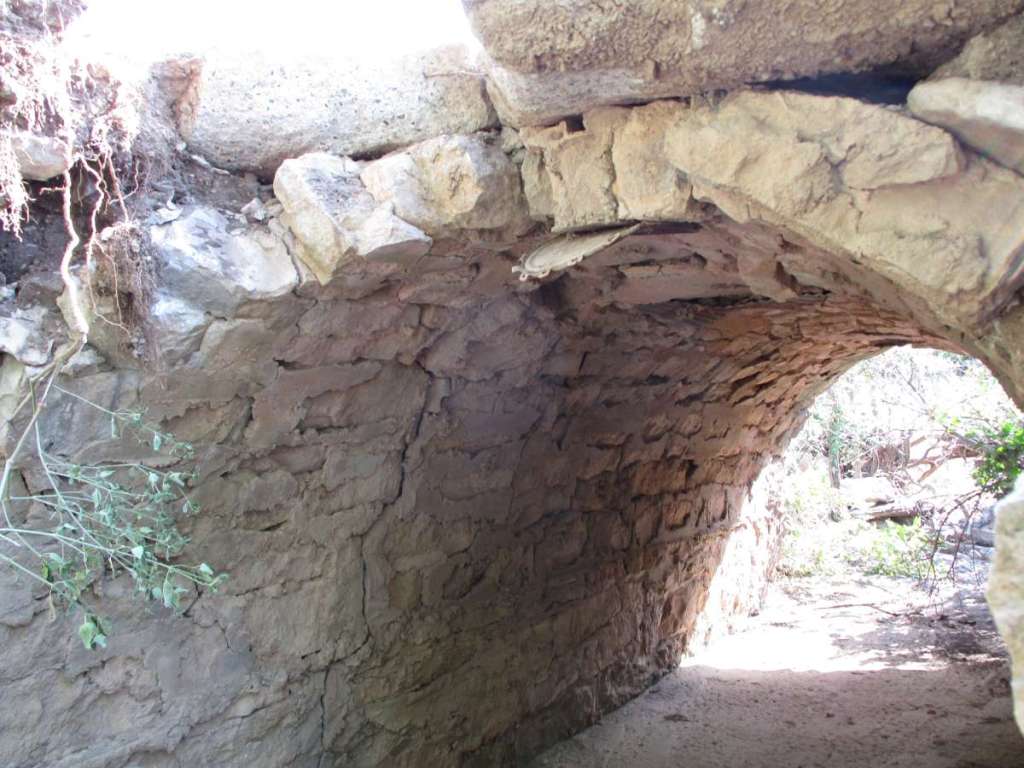
The Low-Cost Stone Bridges of the Early 1900s
A hallmark of US stone bridges and culverts built for the public roads during the early 1900s is their low-cost design. As a result, these structures tend to feature several shortcuts leading to maintenance issues.
-

Pros and Cons of Mortarless Masonry
Mortarless masonry has several construction advantages over its mortared counterparts. However, with these advantages come a greater precision and skill required for long-term durability.
-
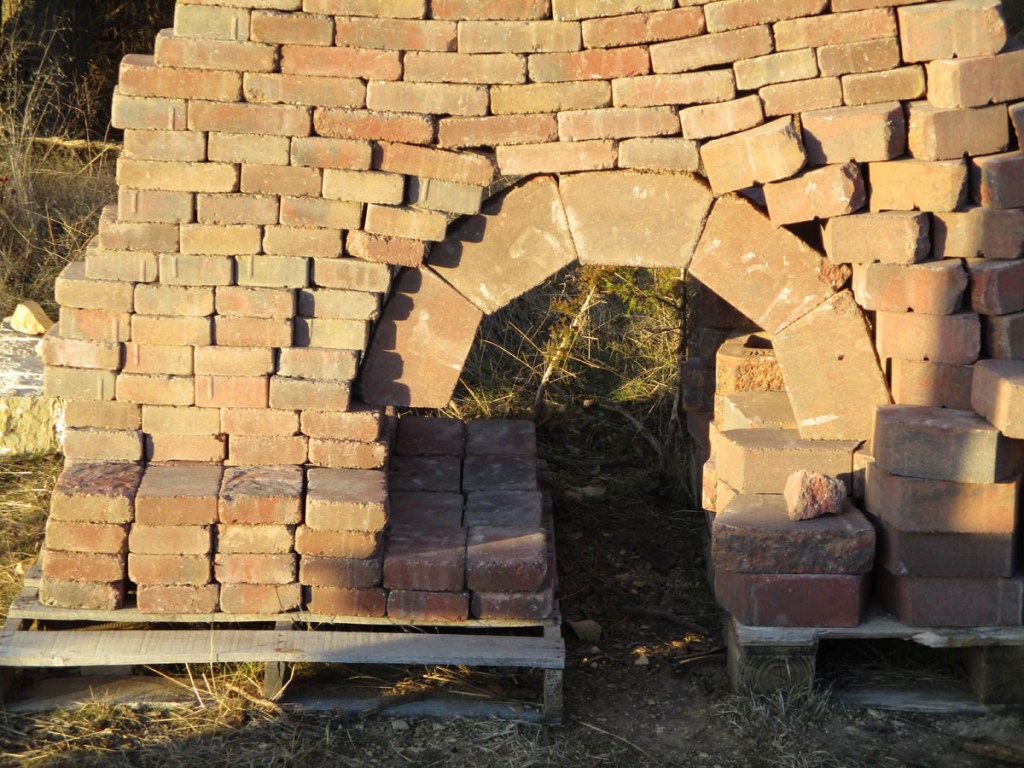
The Middle-Third Rule
The middle-third rule is a classic rule in masonry design. In this post we explain what this rule is, why it is associated with stability, and how it is derived, as well as its limitations.
-
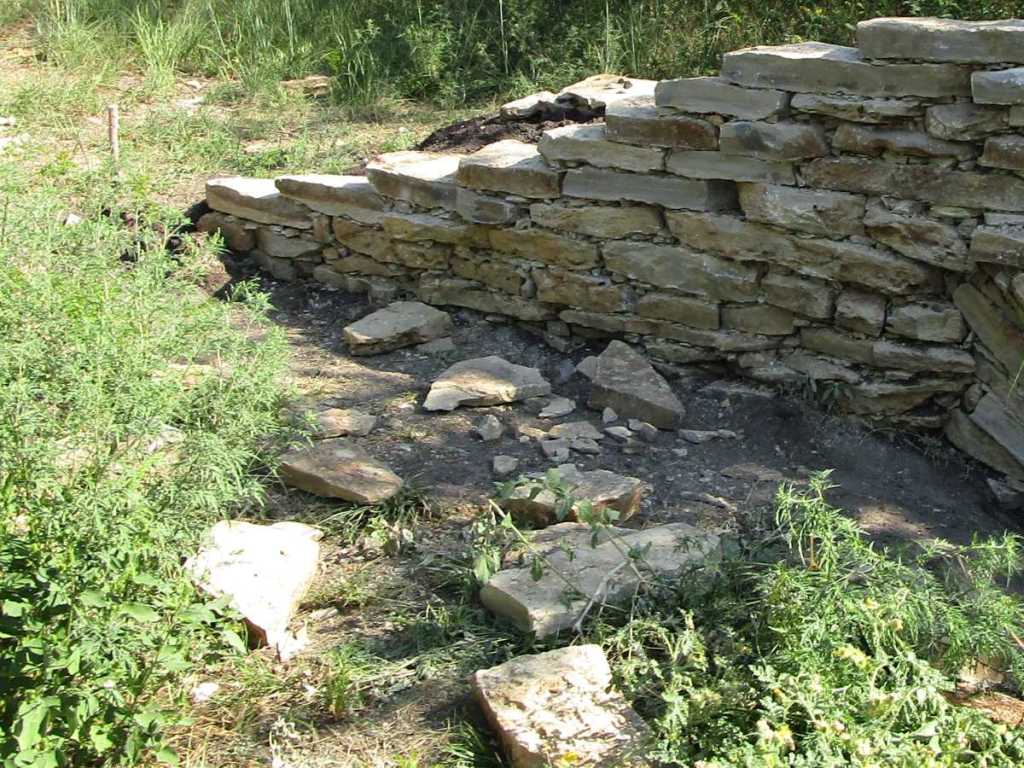
Masonry: Always Moving
Gravity, aided by natural forces like freeze/thaw cycles, is always at work on a masonry structure either pushing it more firmly in place or pulling it apart. By working with these forces, better structures can be built.
-
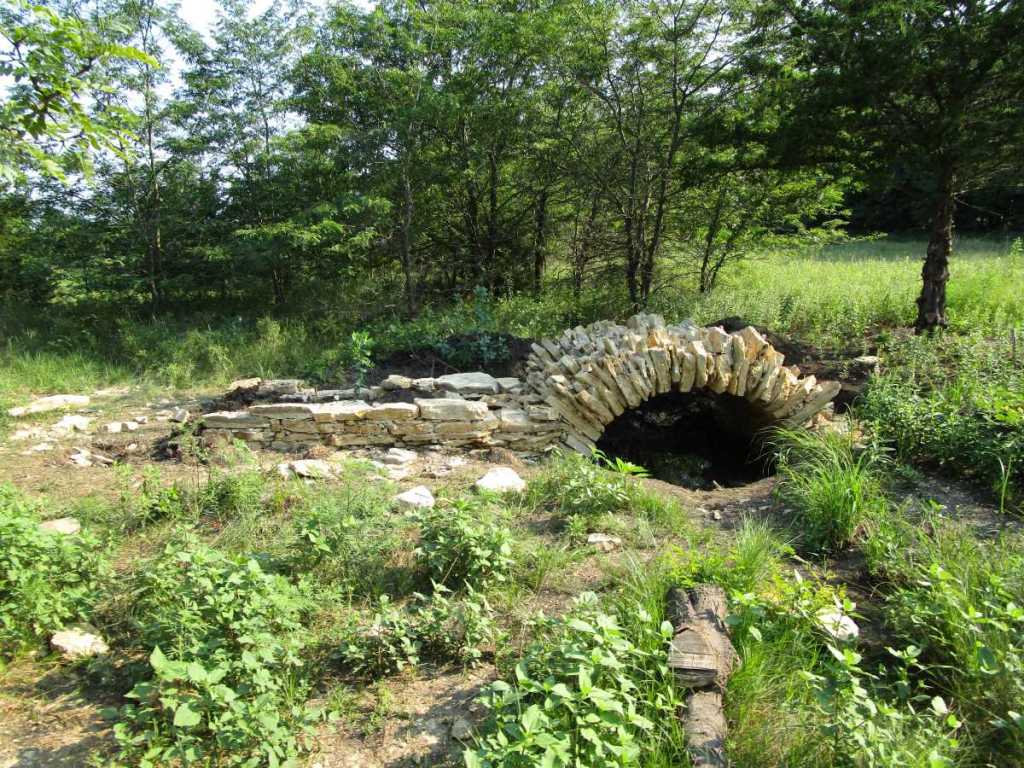
Stepped Foundations
Building a good foundation is critical for long-term stability of a masonry structure. That said, it is often beneficial to change the depth of the foundation to accommodate sloping ground. In this post we investigate the topic.
-

The Camp Quaker Haven Bridge: A New Cowley Stone Bridge Built the Old Way (Part 3)
We recently built a stone arch bridge for Camp Quaker Haven in Cowley County, Kansas. In this third article describing the building of this bridge, we tell of how the arch was built.
 Stone Arch Bridges