
Butler County, Kansas, is noteworthy for its many stone arch bridges. These bridges are a part of the county’s heritage, and are a significant part of Kansas’s broader transportation history.
Butler Leads the Way
Butler County was a pioneer in stone arch bridge construction in Kansas. Other counties had already built stone arch bridges at early dates, but it was Butler County that really led the way in stone bridge construction in the southern part of the state. In order to build more permanent structures as well as circumvent the steel bridge trust then operating throughout the state Butler County saw a massive campaign of stone bridge construction. Largely prompted by R. W. Robison of Whitewater Falls Stockfarm Fame, stone bridges were built throughout the county, first at the township level and, by 1894, at the county level.
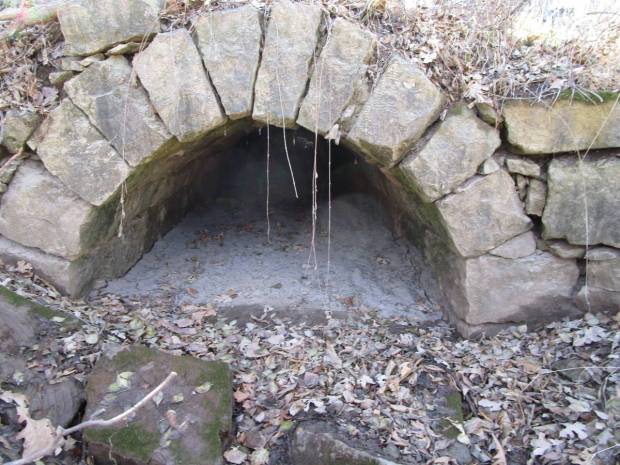
These first bridges proved so successful that the county switched from steel bridges to primarily stone bridges. Stone bridges became standard in Butler. Literally hundreds were built in all manner of sizes from tiny 3′ culverts and beyond.

The county itself began building stone bridges regularly, with so much success that commissioners from Greenwood and Cowley counties visited Butler to study the county’s stone bridges and, ultimately, to follow Butler’s example, spreading the success of the stone bridge even further throughout the state.
Butler Has Many Stone Bridges
It appears highly probable that Butler County has more true stone arch bridges (as distinct from culverts, which have a total span of less than 20′) than any other county in the state of Kansas at the present time. In the final tally, Butler at present appears to have no less than 19 true stone arch bridges actively on its roads that are recognized by the Kansas Department of Transportation. This is a large number of stone bridges, without even counting some of the high-class stone culverts scattered around the county.
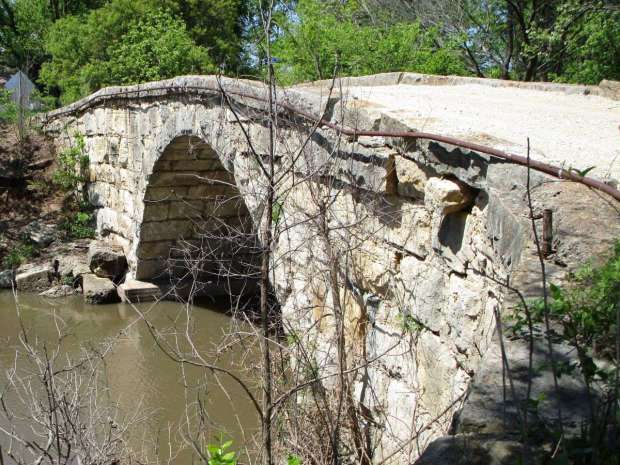
When looking at our stone bridge maps, be aware, by the way, that #13 in Butler County (the Walz Ford Bridge) is not recognized by the Kansas Department of Transportation. This double-arch bridge of two 18′ spans indeed carries the road, but is high and dry and filled in on one side. It is immediately adjacent to the actual bridge referred to on the base map by the Kansas Department of Transportation; this bridge over Rock Creek is an iron beam bridge with a corrugated metal deck.
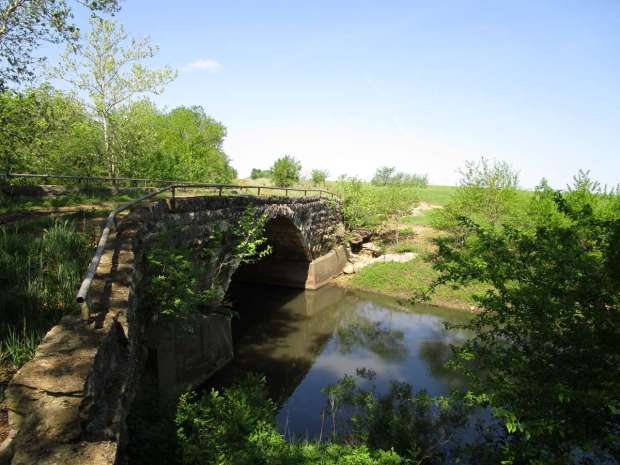
The Future of Butler’s Bridges
The future overall looks promising for most of Butler’s stone arch bridges. The county seems to have been taking great pains to repair and restore many of these structure, and seems dedicated to preserving the county’s distinguished heritage. Overall, Butler County seems to prefer to restore the stone bridges where practical rather than replace them.
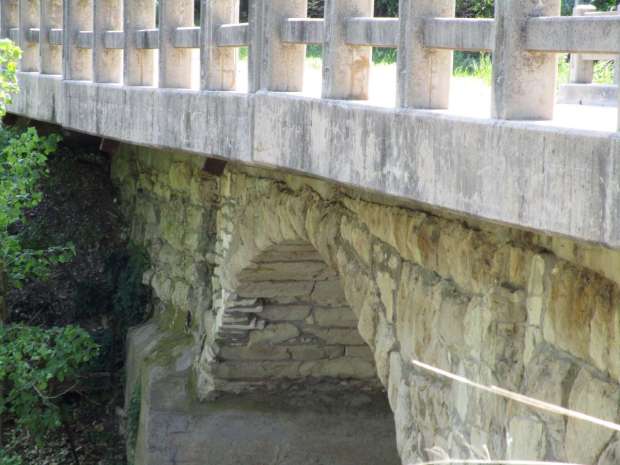
Many of the recently repaired stone bridges were repaired in stone; and in one case during the rehab of a stone bridge that had been closed for a few years, some previous curbing repairs done in cement were removed and redone in stone.
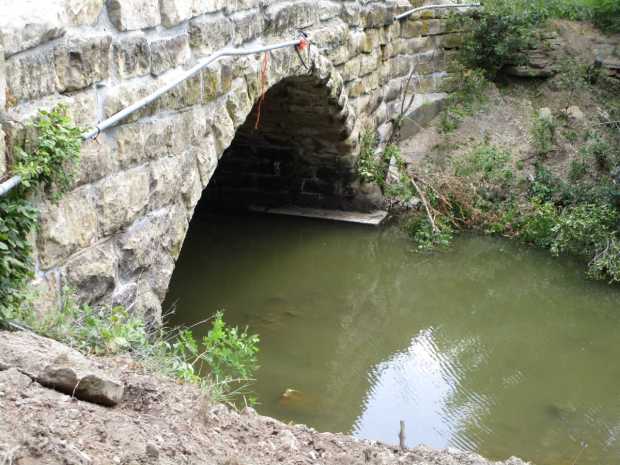
When 2016 flooding partially wrecked the Polecat Creek Bridge, which, incidentally, is listed on the National Register of Historic Places, the county undertook to restore the bridge. The repairs were done in stone, reusing as many of the originals as could be recovered. The repair was excellently done.
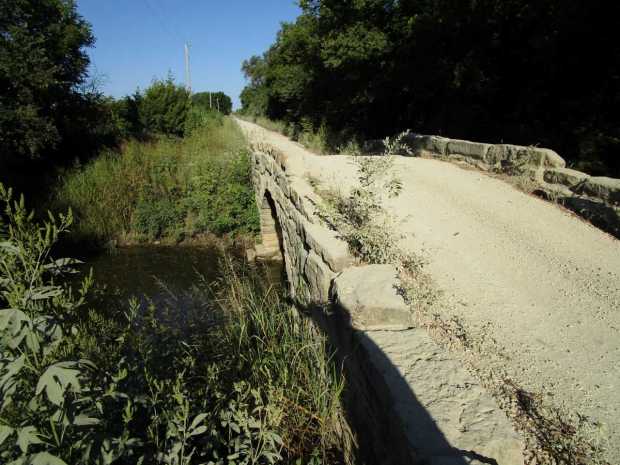
While the county has replaced one stone bridge in recent years, it is worth noting that on the whole Butler seems dedicated in preserving this piece of its heritage. Incidentally, the stone bridge replaced had been heavily altered over the years, and in its final form was a derelict structure sporting all manner of poorly done, makeshift repairs. While we cannot say for sure that Butler won’t replace more of its stone bridges in the future, it seems that the county weighs seriously the historic (and scenic) value of these old stone bridges, and has been steadily restoring most of these structures throughout the county.

On the whole, it is apparent that Butler County has invested in many of its stone bridges and does not simply and indiscriminately replace all the “outdated” stone bridges nor leave them to deteriorate into oblivion. This is refreshing to see when so many stone bridges are replaced or allowed to collapse rather than be repaired when repairs are possible.
Conclusion
Perhaps the best way to conclude is with a quote from an old newspaper of the stone arch bridge days:
“Butler County, Kansas, is in the lead in stone arch bridges and culverts and in years to come in this respect its fame will go abroad. The county will have nothing else.”
From the Leon Indicator, December 7, 1905, quoting the Kansas City Star.

Butler’s stone bridges are well worth a visit.
 Stone Arch Bridges