A stone bridge can (and often is!) built of relatively consistently sized stones, but the fact of the matter is, for bridges of rubble masonry, different sizes of stone may be advantageous for different parts of the bridge. Ashlar masonry uses custom cut blocks, and is very different from rubble work as far as construction goes, so the following remarks primarily apply to rubble masonry.
The Arch
A rubble arch is easiest built with thin slabs. That said, the slabs should ideally be wide enough to achieve the whole arch thickness with one stone. For durability, the stones should also be longer than they are wide. Interesting, from the above, it will be noticed that there are some distinct advantages of building the arch with small stones, rather than huge pieces. The only real disadvantage with an arch built of many small pieces is the fact that the construction will typically take longer than if big blocks are used.

The Foundation
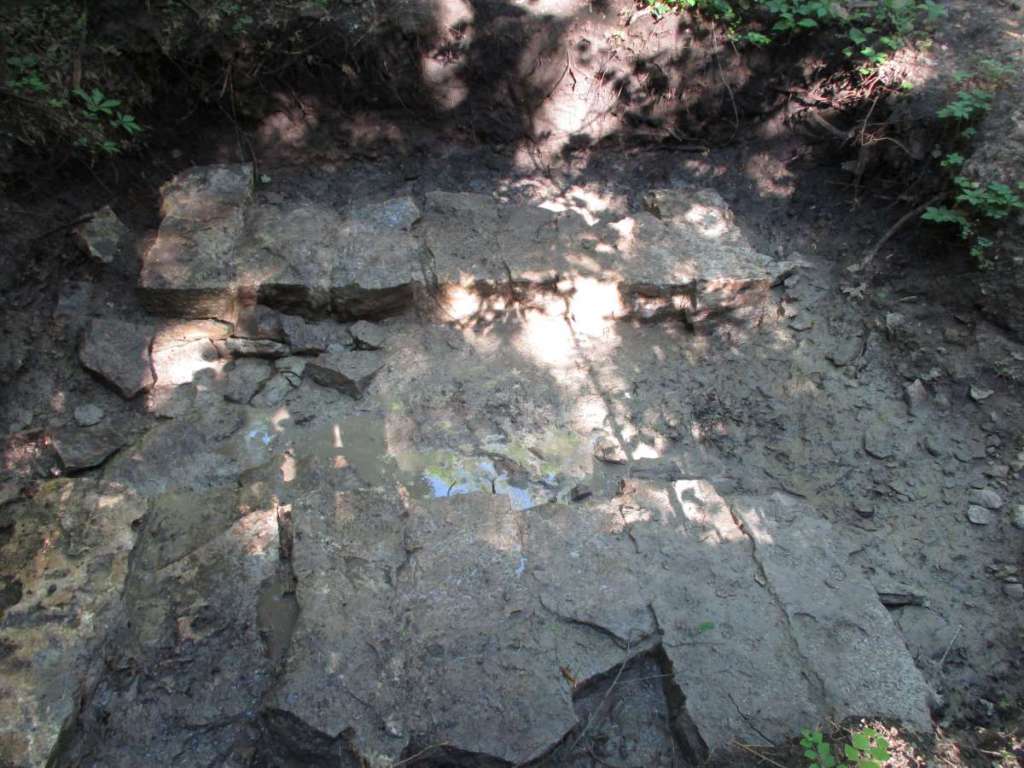
Large blocks are ideal for the foundation, as they distribute the load better, and are very hard to dislodge. That said, since most foundations are completely solid, a time-saving trick that is completely acceptable is the use of smaller pieces in the cores of the abutments. The large blocks surrounding the cores will protect the smaller pieces in the middle.
Spandrel Walls and Approaches
Bigger is usually better when it comes to the blocks used in the spandrel walls and approaches. For durability, these large blocks are significant, especially in the top courses of masonry, since they cannot be easily dislodged. Furthermore, the use of large blocks will drastically cut down on the construction time. There is one noticeable exception to this rule, however. Where the spandrel walls joins the arch, thin pieces make matching the spandrels to the curve of the arch much easier. Big blocks still work, but will need custom cutting to fit.
Backing
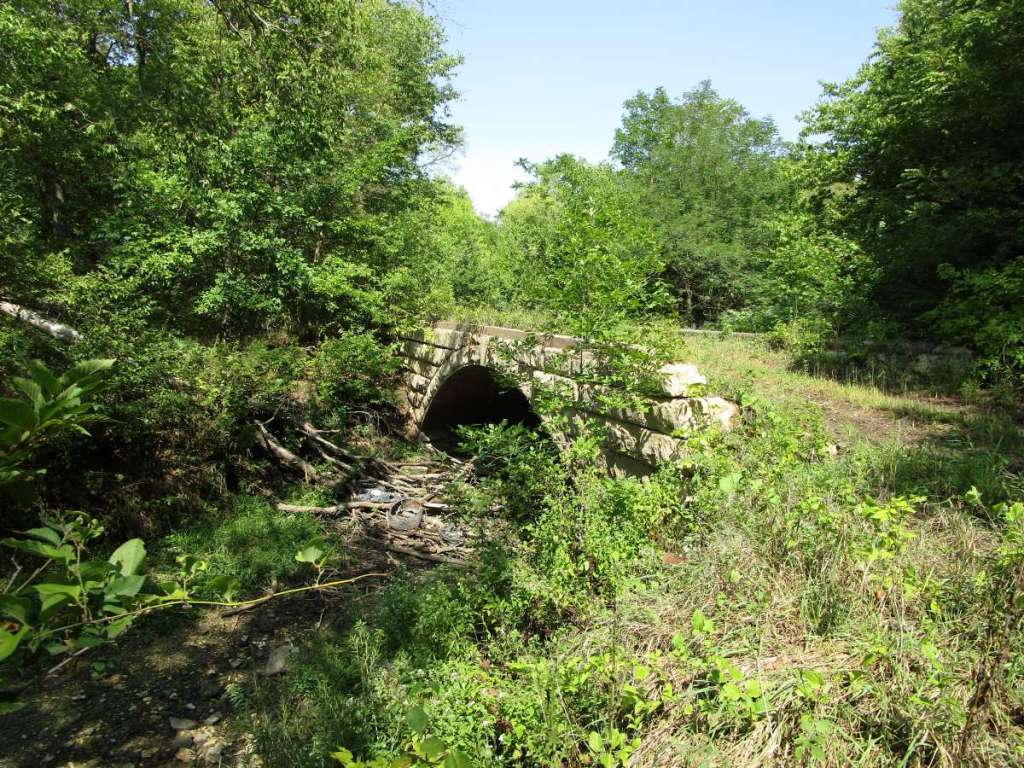
Backing is the loose rubble that is used behind the arch. Medium-sized stones work the best here, as they are large enough to fill in the space efficiently, while small enough to interweave with the rest of the masonry well. All that said, backing is usually made with scrap pieces left over from constructing the rest of the bridge.

In Conclusion
Where the local stone availability allows, there can be serious benefits to using different sizes in different locations in the structure. The final result tends to be more durable, and also quite picturesque.


