Category: Construction
-

The Catenary, Segmental Arches, and Roman Arches
Segmental arches have a certain strength that is due to the fact that they closely approximate a catenary. Thus, low-rise arches can be very thin and able to free-stand.
-

Planning the Falsework
The formwork is important to arch building. It must be designed to handle the weight while maintaining the correct shape, and must be planned for easy removal without damaging the arch.
-
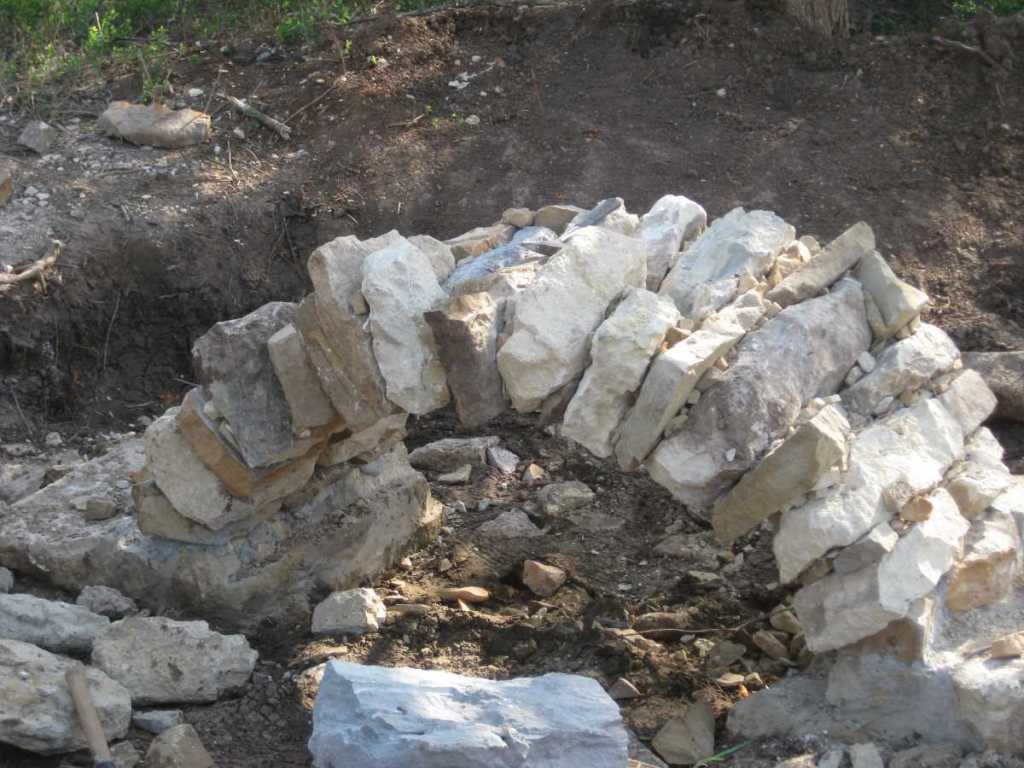
Efficiently Designed Stone Culverts
Building stone arch culverts can be difficult to do without using a disproportionately large amount of material. In this post several ways the efficiency of design can be increased are discussed.
-

Designing the Span
A wide variety of design options are available to the builder of a stone arch bridge. Here are some considerations that are helpful to keep in mind when narrowing down the design.
-
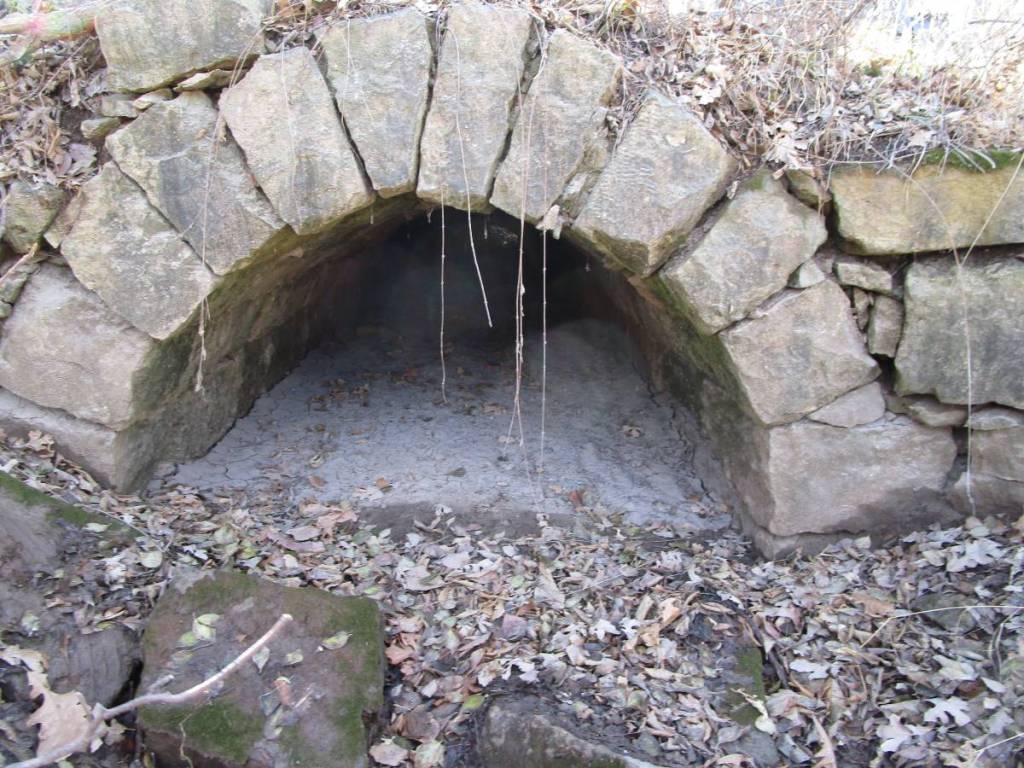
Gothic Arches
The Gothic arch, despite being commonly associated with cathedrals, can still be found in stone arch bridges. Surprisingly, it is one of the easiest arches to build.
-

The Classic Rubble Masonry Arch
Arches constructed of rubble masonry are classic structures. They can be impressively strong, have their own unique characteristics, and are easy to build. Many stone bridges using this type of construction remain in use.
-

Moving Large Stones Manually
There are several ways to manually lift and move large stones that are too heavy to simply pick up and walk away with. In this post, several simple manual ways to move those big rocks is shown.
-
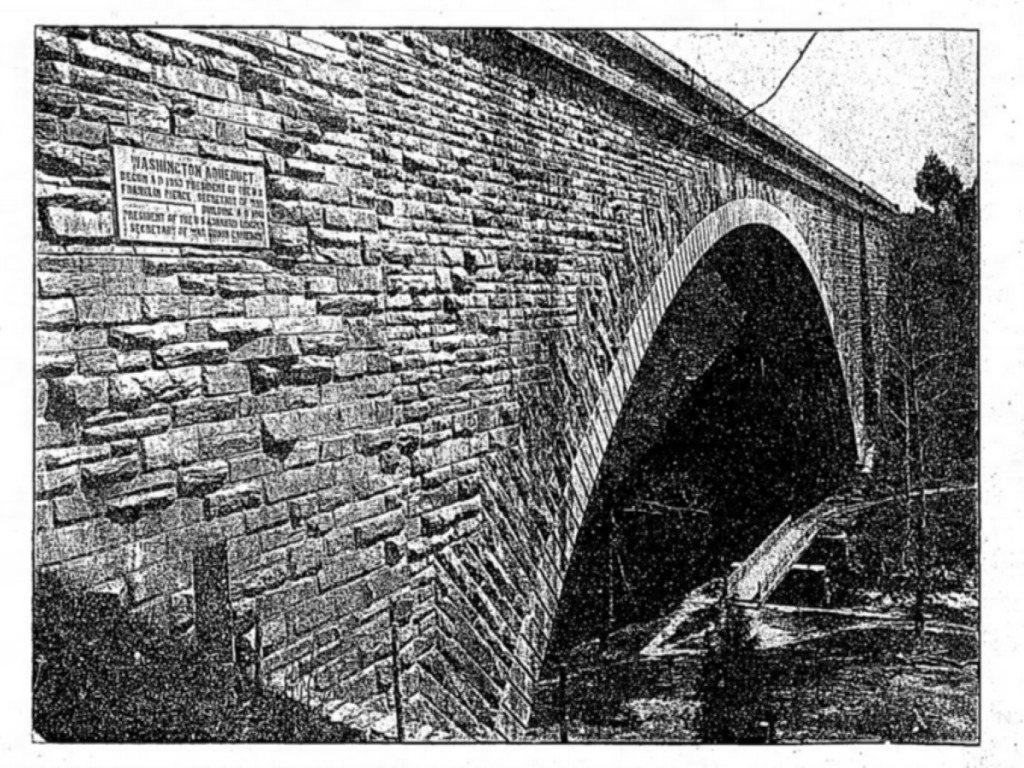
Long Span Arches: Design and Limitations
Long-span stone arch bridges have challenged builders for centuries. In this post we discuss some of the design considerations as well as the limitations encountered in long-span stone arch bridge construction.
-

Arch Building 101
Arch building need not be a complicated process; rubble arches can be laid that are both easy to build and impressively durable. Many old medieval bridges in Europe testify to this.
 Stone Arch Bridges