Category: Maintenance
-

The Width Problem
A narrow stone arch bridge need not be replaced for functional reasons. There are numerous options for widening whereby the historic original is preserved and the road improved for less cost than a full-fledged replacement would be.
-

The Impact Problem
Stone bridges are particularly vulnerable to impacts by traffic, as the individual stones are easily dislodged. In this post, we investigate ways to prevent this type of damage from happening.
-
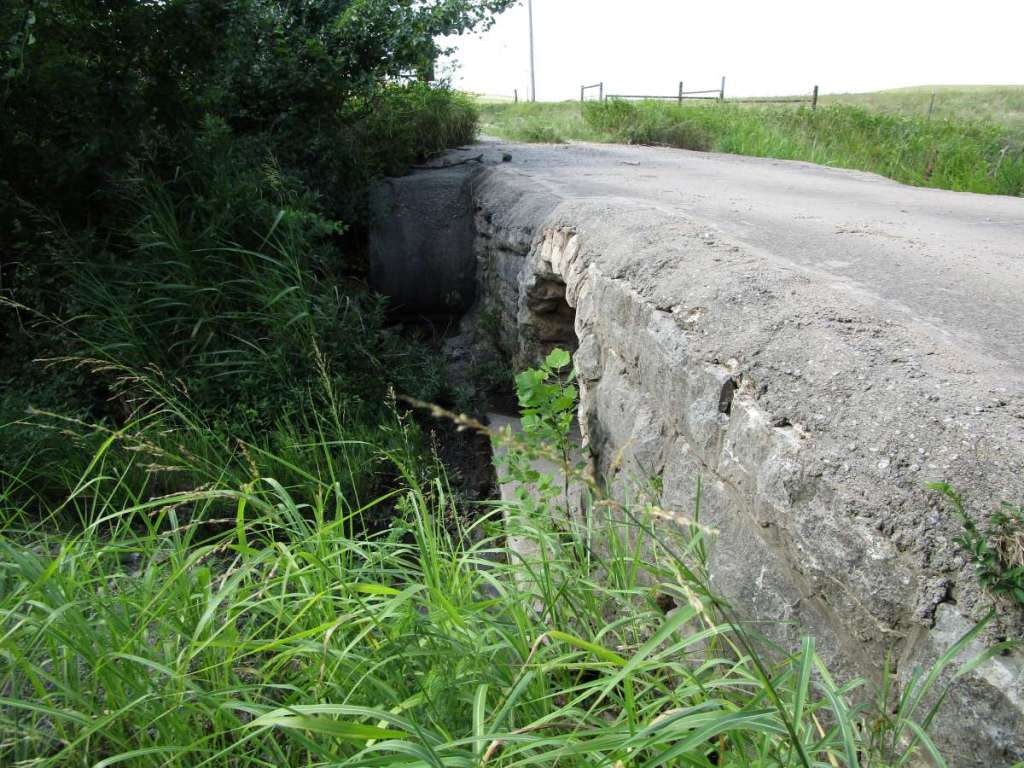
The Waterway Problem
Stone arch bridges that are simply too small for the stream being crossed are fairly common. Structures like this require extra maintenance to ensure stability. A good long-term fix is to improve the stone bridge itself.
-
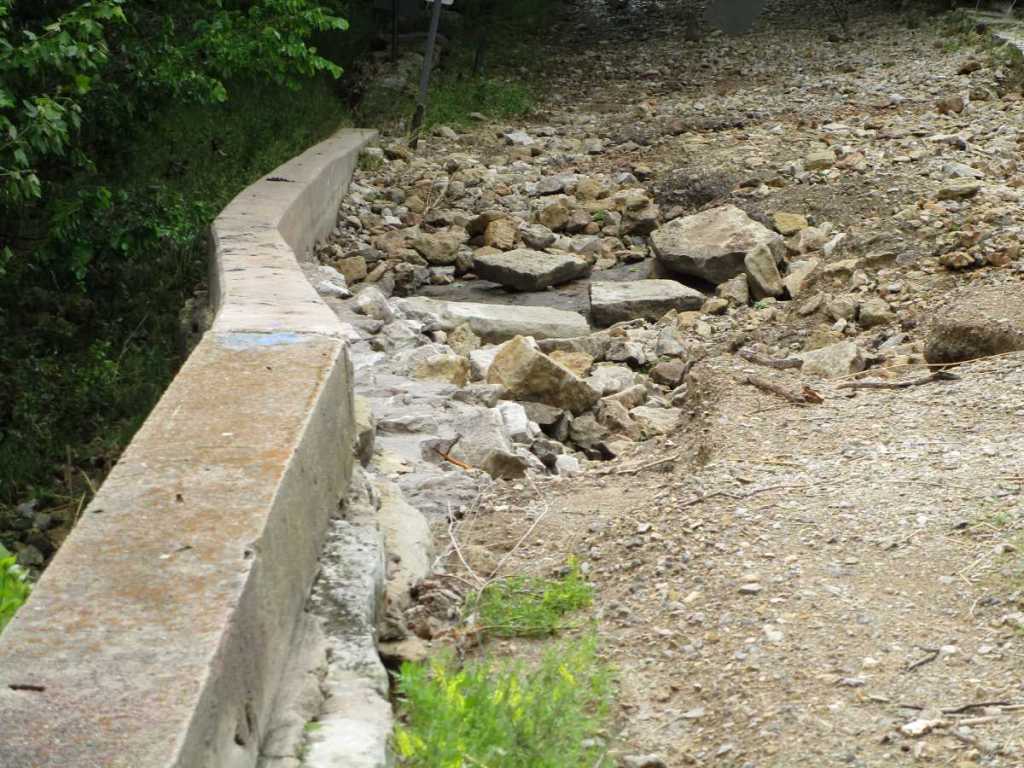
Fill Work on a Stone Bridge
Fill work on a stone arch bridge is best done cautiously, as the fill tends to play an important role in the overall stability of the bridge. Here are some tips and possible pitfalls for this type of maintenance.
-

Pointing Rubble Masonry
Due to the lack of standard joint sizes in rubble masonry, repointing is a careful job requiring constant adaption to the masonry’s needs. Here are some ideas to help the job go smoothly,
-

Cleaning the Stones
Cleaning stones either for maintenance reasons or construction should be done carefully so as not to damage the stones. Stones have a natural weather-resistant coating that should be respected.
-

The Significance of Cracking
Cracks in masonry indicate tension in the structure. The nature of the crack provides clues to the underlying cause of this stress, and can be a very clear indicator of structural problems.
-

Making Strong Mortar
Properly mixing and curing mortar can make a huge difference in the long-term durability of the mortar. If properly done, mortar can last for many years without maintenance.
-
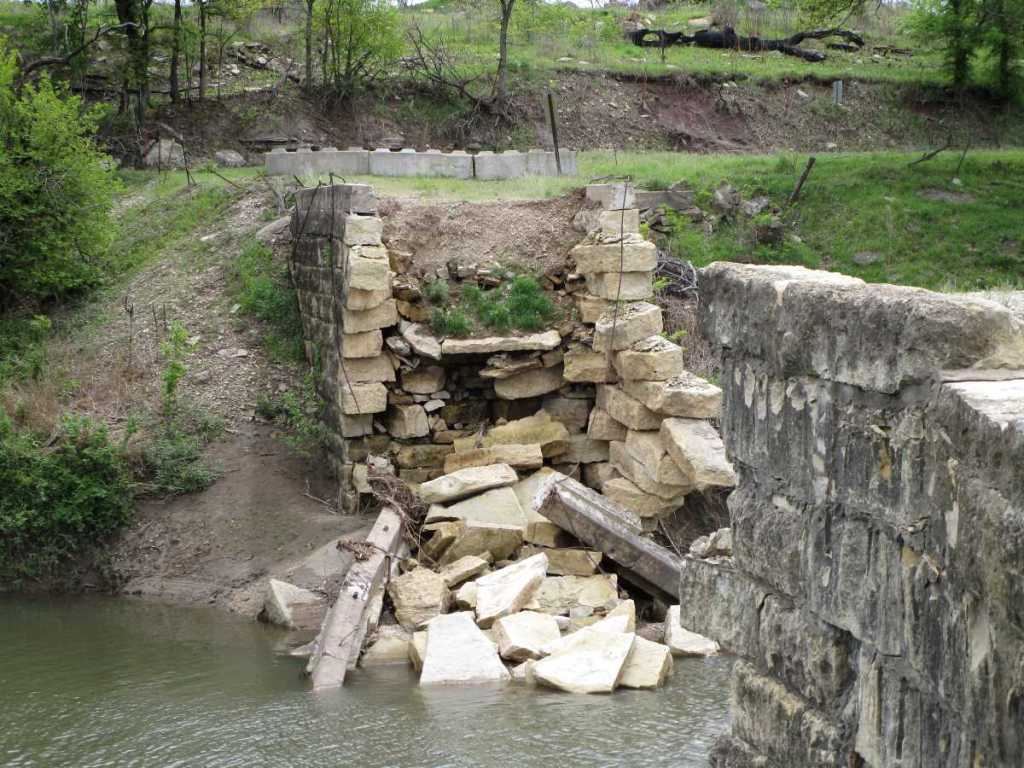
Understanding Three-Leaf Masonry
Three-leaf masonry is a form of masonry construction that consists of stone facing walls protecting a lower quality interior fill. In this post we investigate this type of masonry and its implications for repair.
 Stone Arch Bridges