Category: Maintenance
-
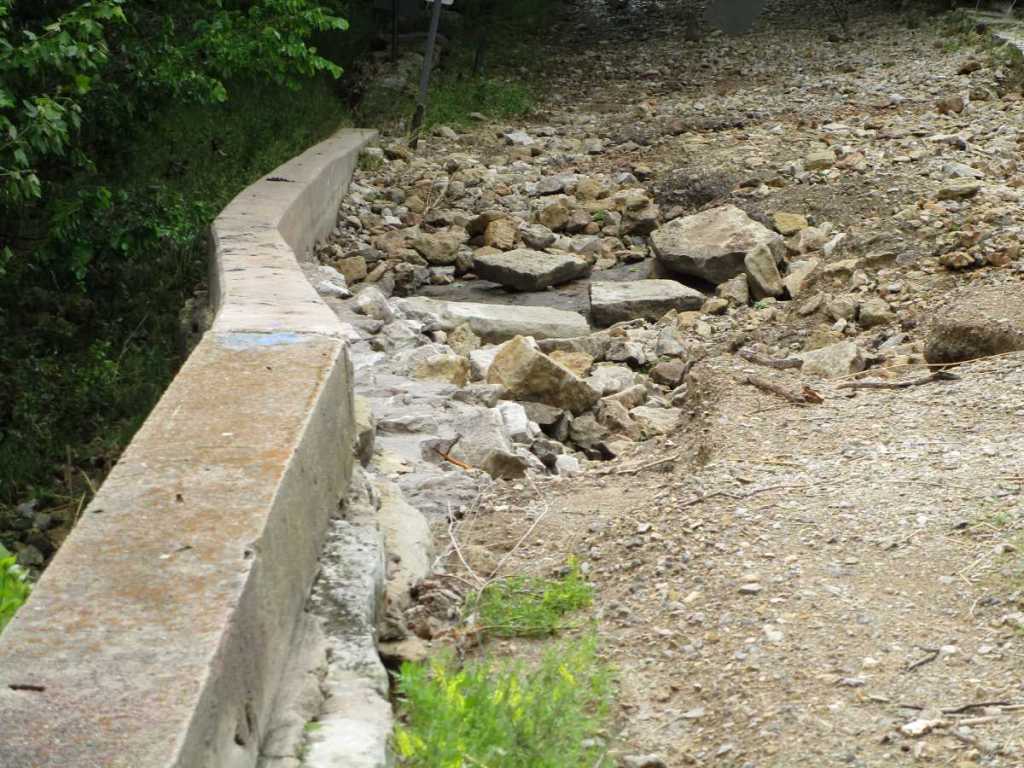
Fill Work on a Stone Bridge
Fill work on a stone arch bridge is best done cautiously, as the fill tends to play an important role in the overall stability of the bridge. Here are some tips and possible pitfalls for this type of maintenance.
-

Pointing Rubble Masonry
Due to the lack of standard joint sizes in rubble masonry, repointing is a careful job requiring constant adaption to the masonry’s needs. Here are some ideas to help the job go smoothly,
-

Cleaning the Stones
Cleaning stones either for maintenance reasons or construction should be done carefully so as not to damage the stones. Stones have a natural weather-resistant coating that should be respected.
-

The Significance of Cracking
Cracks in masonry indicate tension in the structure. The nature of the crack provides clues to the underlying cause of this stress, and can be a very clear indicator of structural problems.
-

Making Strong Mortar
Properly mixing and curing mortar can make a huge difference in the long-term durability of the mortar. If properly done, mortar can last for many years without maintenance.
-
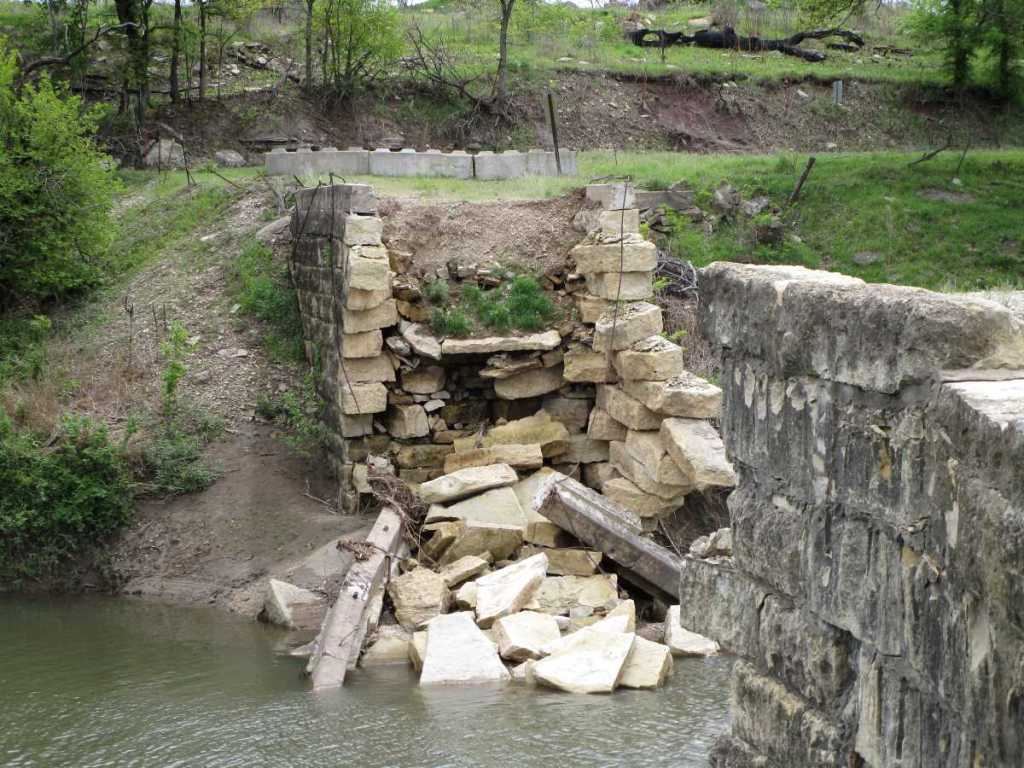
Understanding Three-Leaf Masonry
Three-leaf masonry is a form of masonry construction that consists of stone facing walls protecting a lower quality interior fill. In this post we investigate this type of masonry and its implications for repair.
-
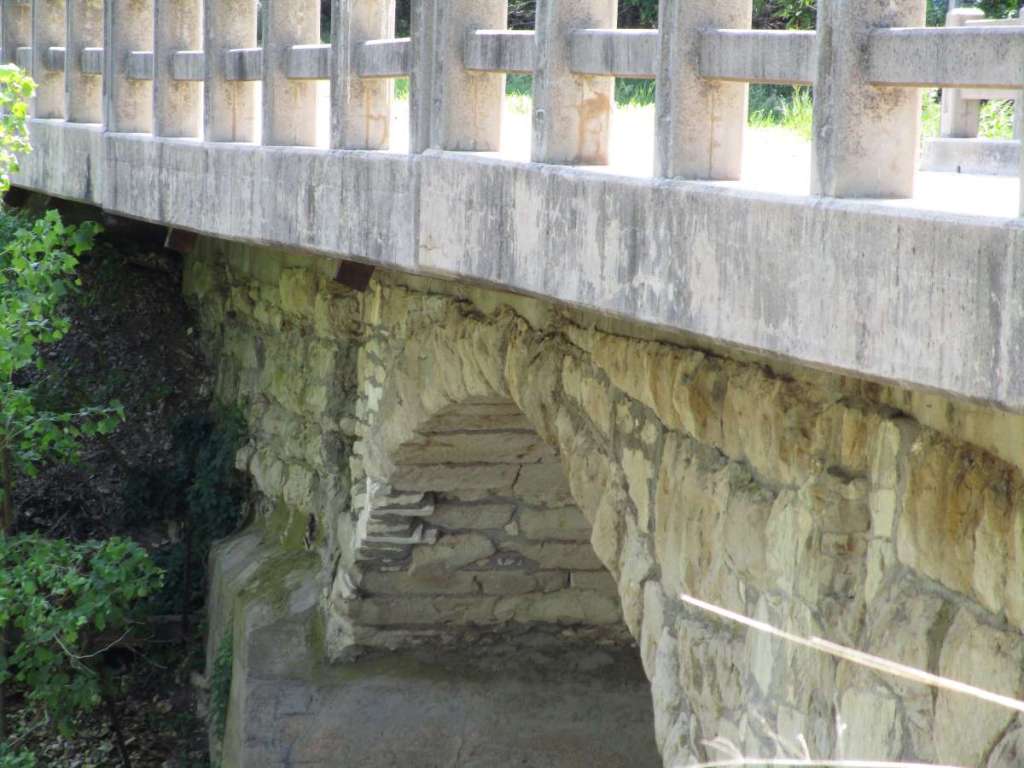
Repairing Broken Stones
Repairing damaged stones is possible, at least if the damage is not too severe. Mechanical ties, grouting, and even epoxy binders are options for repairs where it is preferable not to actually replace the damaged stones.
-
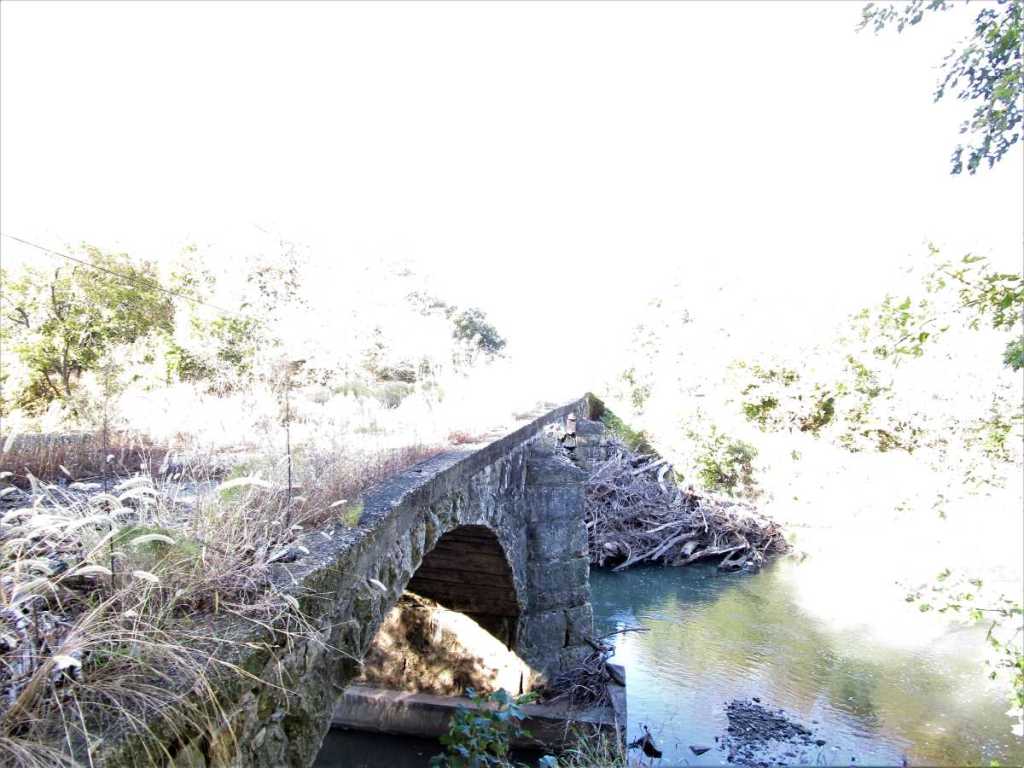
Maintaining Piers
Maintaining piers is an important part of keeping a stone arch bridge in service for many years. Piers are vulnerable to the action of the water, and should be given special attention during inspections.
-

Repairing With Concrete: Strengths and Weaknesses
Concrete has frequently been used over the years to repair masonry structures. Sometimes, the structures thus repaired have held up well over the years, while others have deteriorated rapidly. In this post we investigate what makes the difference.

