Category: Maintenance
-
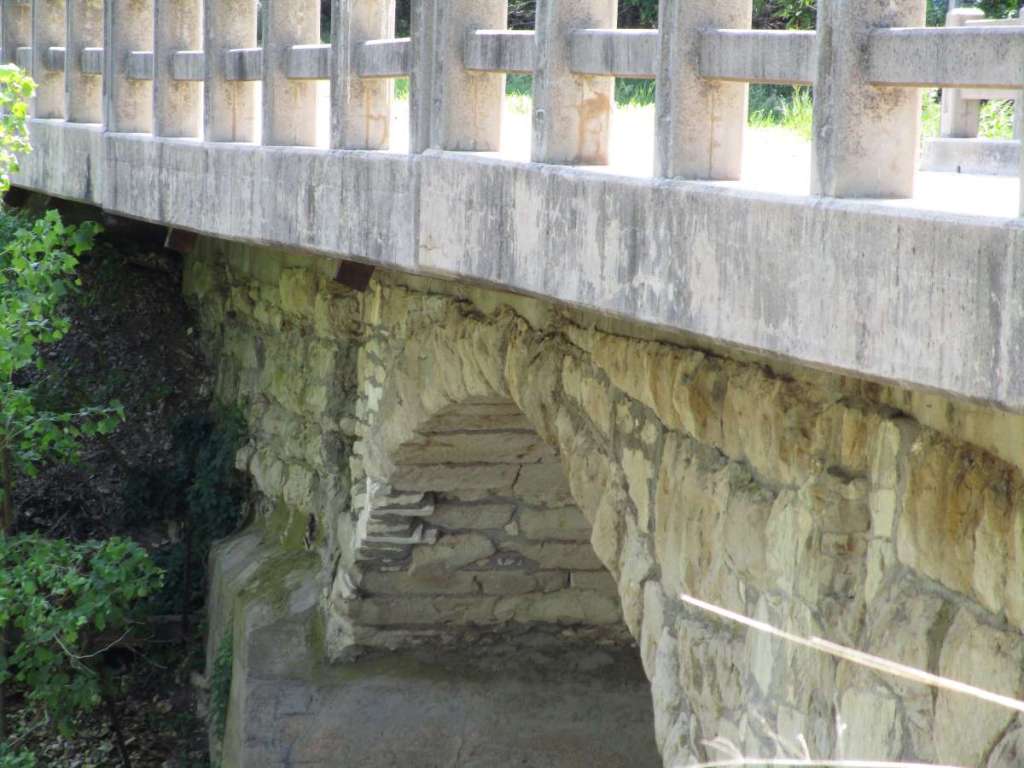
Patching Damaged Masonry Part 2: Doing the Work
Patching damaged masonry without dismantling large portions of a sructure is a delicate procedure, but can be done with care. Here are some tips on executing this type of project successfully.
-
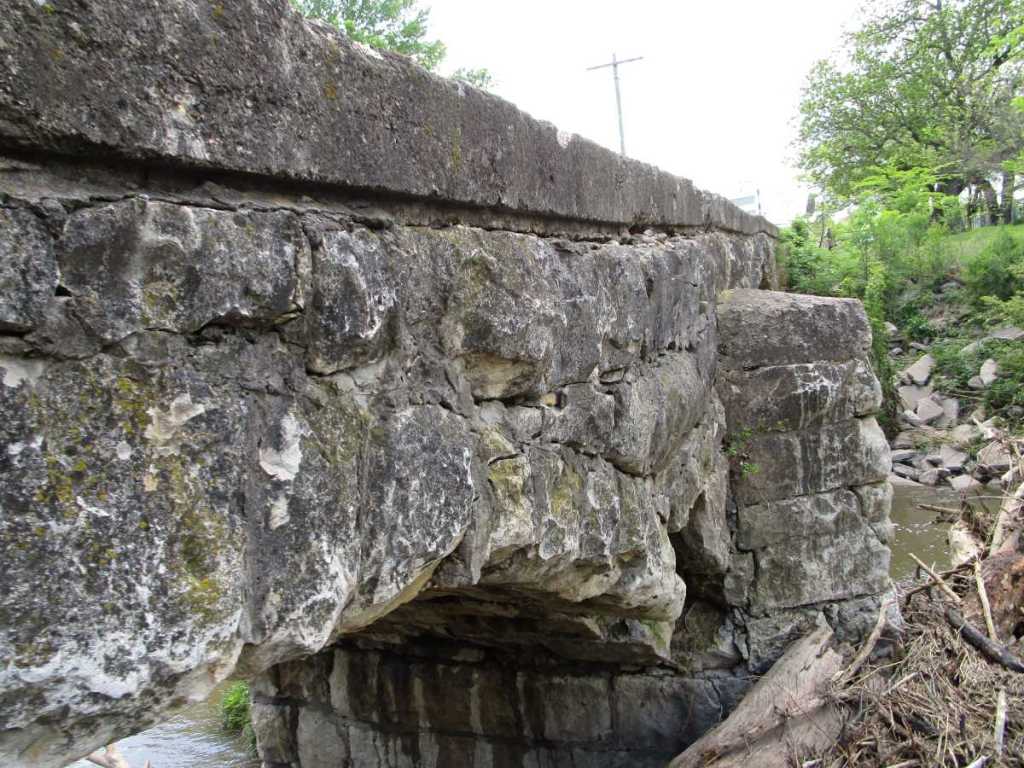
Patching Damaged Masonry Part 1: The Concepts
Patching damaged sections of masonry is possible without dismantling large sections of the structure. The key is understanding how the forces in the structure interact to allow a damaged structure to stand.
-
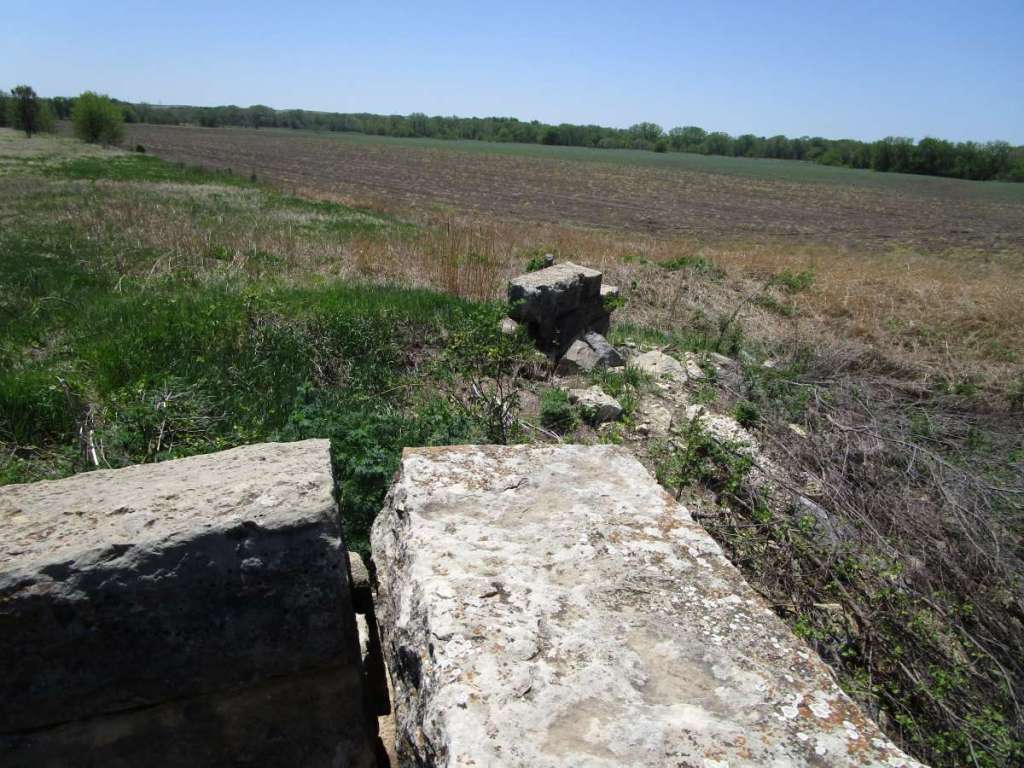
Retaining Walls: Failure and Repairs
The retaining walls (spandrels and approaches) in a stone arch bridge are prone to failure thanks to their relatively thin width. However, there are several things that can be done to repair and prevent these failures.
-

The Key to Successful Repair: Understanding Failures
When repairing a stone arch bridge it is important to understand what caused the original failure. Merely patching or rebuilding failed components does not necessarily take care of underlying problems, which can in turn cause further maintenance issues.
-

Moisture Management in a Stone Bridge
Water retention, with causes ranging from incompatible mortars to poor initial design, can cause all manner of damage to a stone arch bridges. Here are some tips on ensuring a stone bridge can drain properly.
-

Mortar Maintenance Part 2: In Practice
Repointing mortar is a regular maintenance item in mortared structures such as stone arch bridges. In this post, we investigate the procedures for successfully repointing.
-

Mortar Maintenance Part 1: Some Basics
Repointing mortar is a regular maintenance item in mortared structures such as stone arch bridges. In this post we examine the value and limitations of repointing.
-
Repairing Fill-Related Problems
Fill-related problems in a stone arch bridge take on several forms, but often result in bulging, sliding, and failure of bridge components. These problems can be addressed.
-

Hidden Structural Features
Many stone arch bridge feature subtle design features that are tucked away out of sight within the structure, which can greatly complicate rehab and load handling calculations.

