Tag: Stones
-

Mortared Vs. Mortarless Masonry
In this post we contrast the pros and cons of mortared and mortarless stone arch bridge construction, mentioning potential pitfalls with each.
-

The Importance of Friction
Friction is a crucial factor in stone arch bridge stability, and, when the line of thrust is solidly within the arch, holds the arch stones firmly in place.
-
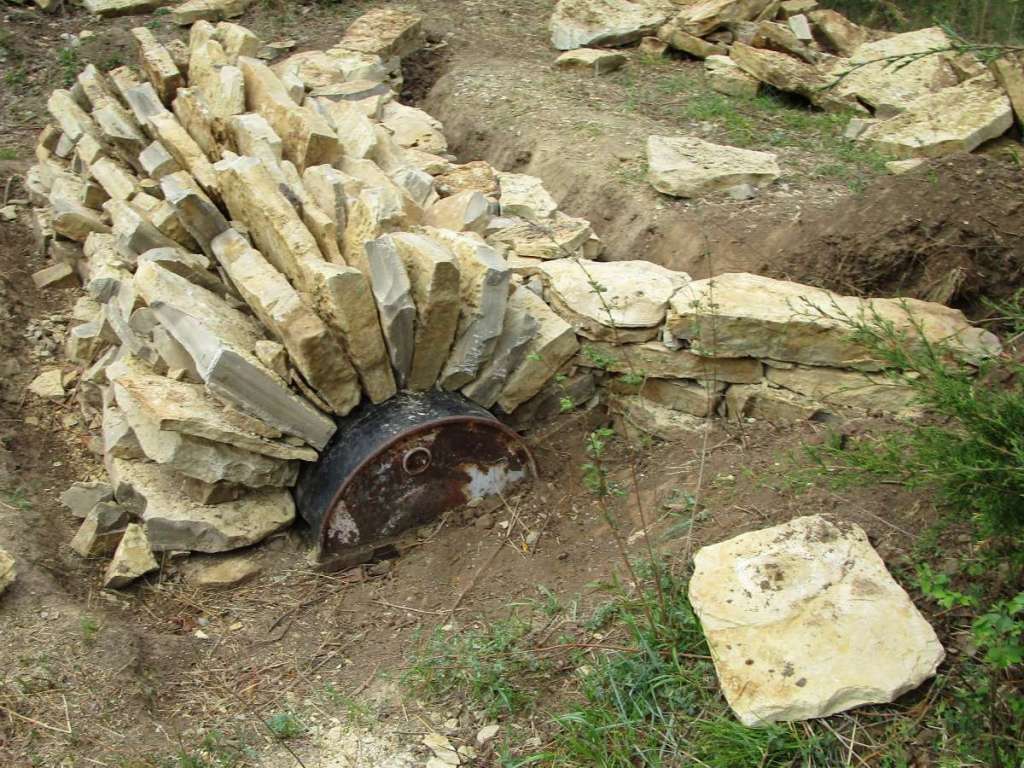
DIY Stone Arch Bridge Ideas
Here are some tips and ideas for new DIY stone arch bridge designs, ranging from fill and backing choices to arch construction tips to a wingwall design idea.
-

More Butler County, Kansas, Stone Culverts
In this post we announce our discovery of three stone culverts in Glencoe Township, Butler County, Kansas and summarize their characteristics.
-

Why Stone Arch Bridges?
There are several advantages inherent to the stone arch bridge. Aesthetics, a valuable use of local resources and longevity all are factors in favor of stone arch bridges.
-

Understanding Longitudinal Cracks in Arches
Longitudinal cracking is a common defect on stone arch bridges. While often not overly serious, under the right conditions this cracking can indicate a major problem.
-
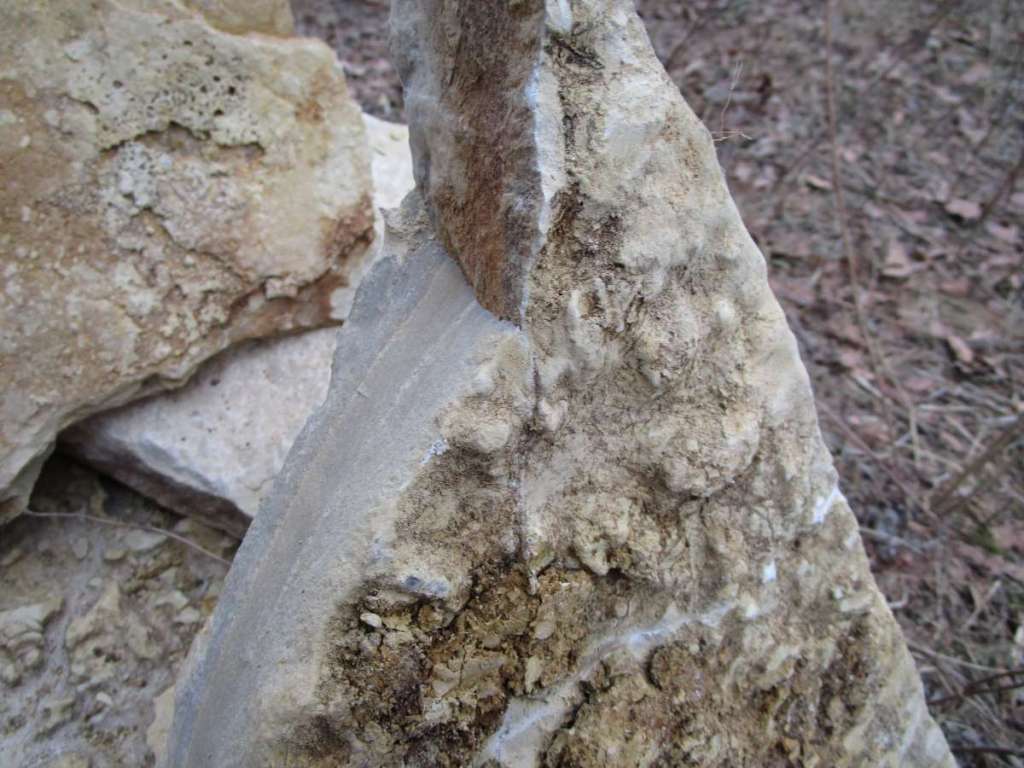
Choosing Quality Rock
Even with a given type of stone, there can be considerable variation. It helps to recognize some basic signs of poor stone to ensure long-term durability.
-

Monitoring Stone Bridges
Regular checking on the progress of any and all deterioration of a stone bridge can allow serious problems to be corrected early, saving future expense and trouble.
-

Different Classes of Masonry Part 3: Rubble Masonry
While rubble masonry is considered the lowest class of stone work, it still can be used to make enduring structures and is peculiarly suited to DIY projects.
 Stone Arch Bridges