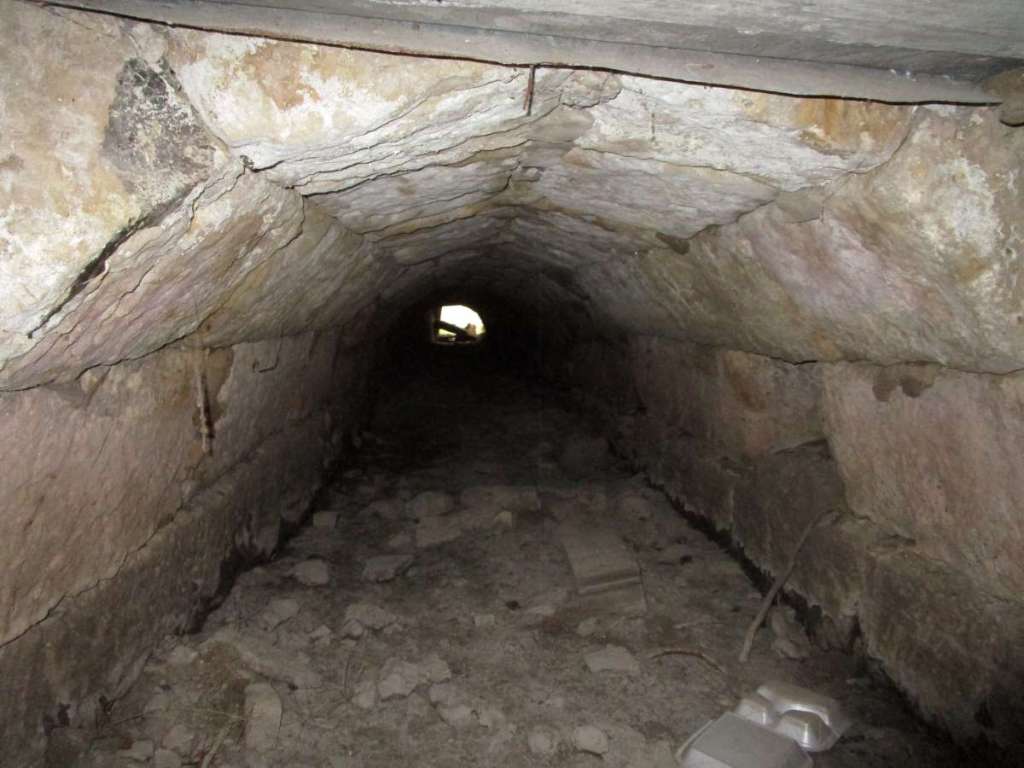
Over the years, we have been systematically looking for stone arch bridges in order to document all the stone bridges in Butler and Cowley counties in Kansas. Looking for stone arch bridges can be a bit time consuming, but rather rewarding, and a thorough search is the only way to determine how many stone bridges and culverts are on the roads in a given area.
Looking for Bridges and Culverts
Stone arch bridges (spans 20′ and more) are generally well documented. This is because local governments are required to inspect bridges regularly to ensure safety. Culverts (spans less than 20′) are a different bird. They are not required to be inspected, and are generally poorly documented. It is these culverts we generally find. There are exceptions, however. For instance, in Elk County, we found a stone arch bridge over Bachelor Creek that was incorrectly marked on the highway map as a culvert.
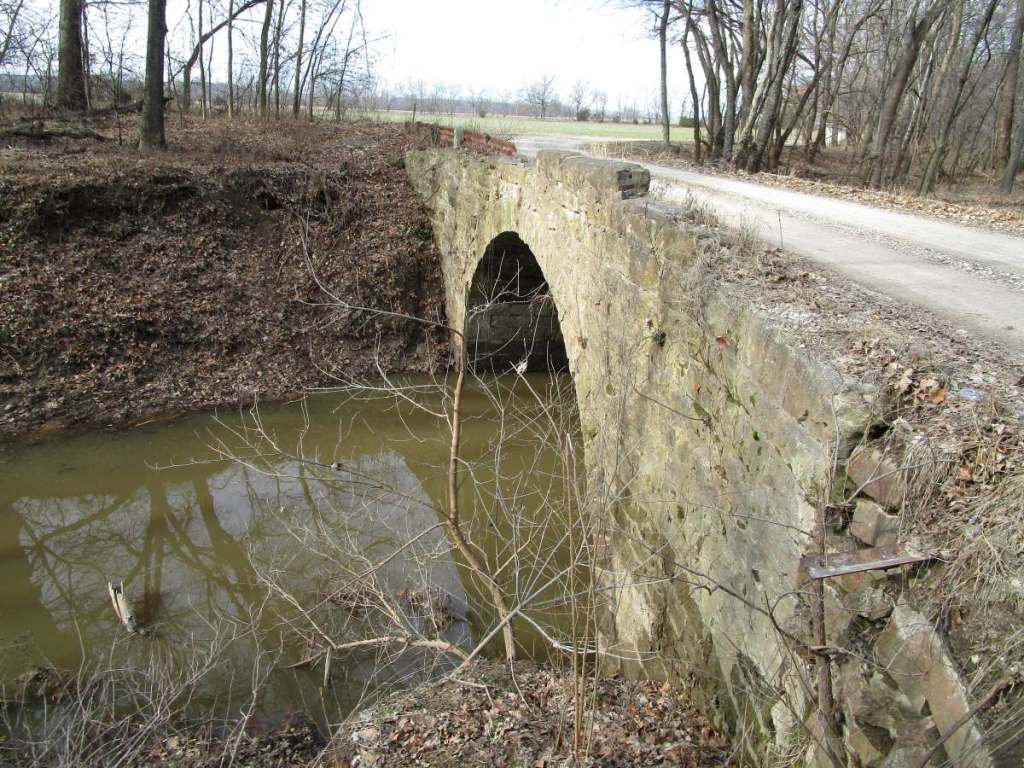
Then there are buried bridges and culverts that are in the road easement and are partially or entirely filled in and may or may not carry the road still.
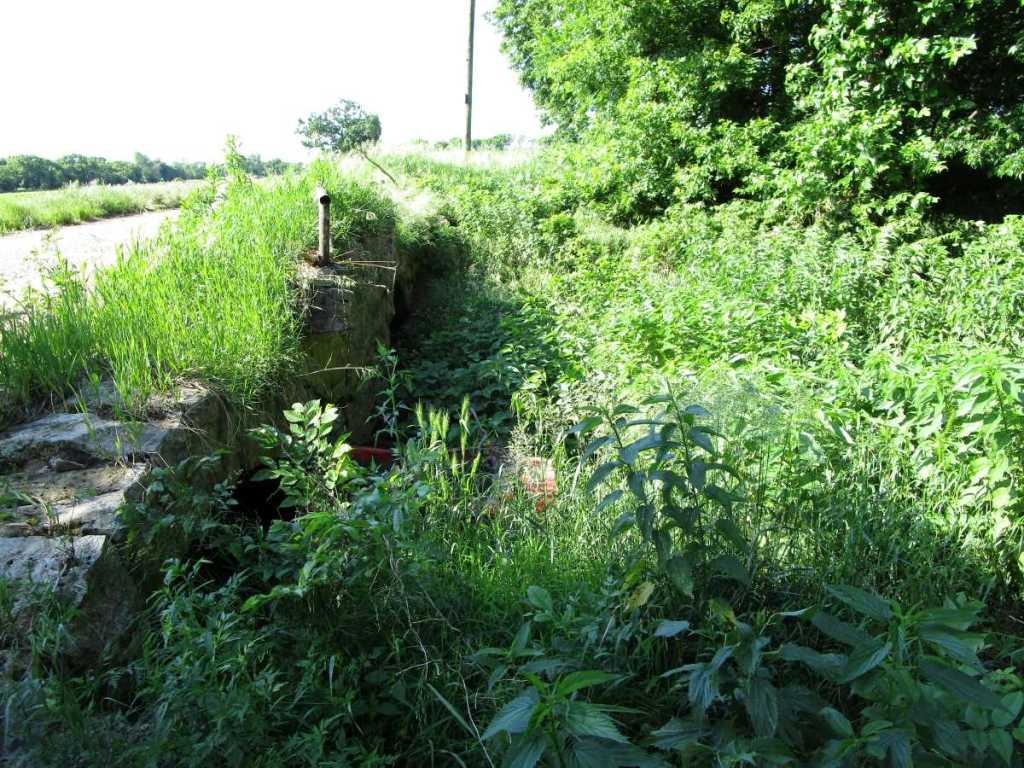
Thoroughly Checking
The only way to document the stone bridges and culverts are to drive every road in an area. We mark off every section of road we checked on a map, and if we find a stone bridge or culvert, we note its location on the map. Where things can get tricky is with widened stone bridges; they may or may not look like a stone bridge from the road. This means every structure needs examined. However, there are some tricks that can make the job easier. Standardized concrete culverts will look the same on both sides of the road and are easy to spot. Unusual culvert designs need checked to see if an old stone section is lurking underneath, and any culvert where the visible portions on both sides of the road do not match should be examined.

In general, stone culverts are easy to spot. They typically have vertical faces. They often (but not always) have stone tops, and they are usually noticeably narrow unless they have been heavily widened at some point. After examining several stone arch culverts, you will find it easier and easier to tell the difference between them and a concrete culvert at a glance. Any suspicious-looking structure should be examined by on-the-ground examination, looking through it if possible.