Tag: Stones
-

Working With Stone Part 3: Hammer Cutting
Here are some basic pointers on hammer cutting stone. This is part of a series on stonework, ranging from basic stone selection to cutting wedges.
-
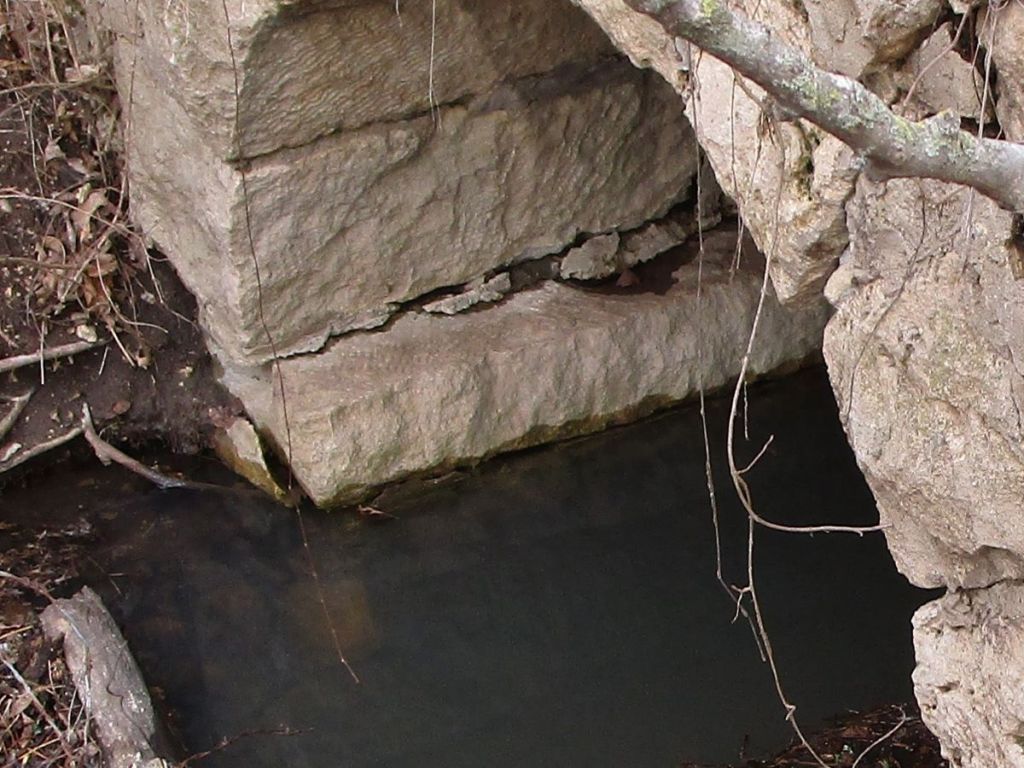
Working With Stone Part 2: Tools and Basic Chisel Trimming
Here are some basic pointers on tool selection and basic chisel cutting. This is part of a series on stonework, ranging from basic stone selection to cutting wedges.
-

Working With Stone Part 1: Some Basics
Here are some basic pointers on selection and placement of the stones used in a stone bridge. This is part of a series on stonework, ranging from basic selection to cutting wedges.
-
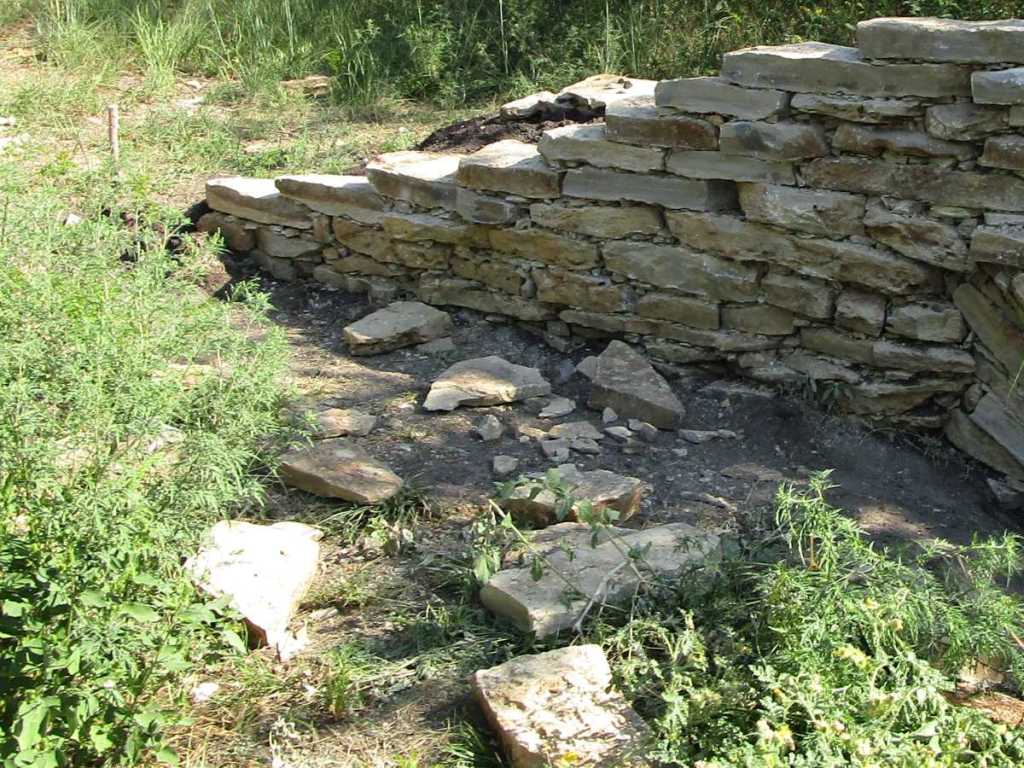
The Masonry Joints
Making tight masonry joints is probably the trickiest part of building stone masonry. Fortunately, there are several ways to tighten the joints easily. Then too, masonry can be forgiving.
-

Building Rubble Arches
Stone arches made with rubble masonry are easy to construct, and can be quite strong. The key to successfully building a rubble arch is in the laying and shimming of the stones.
-
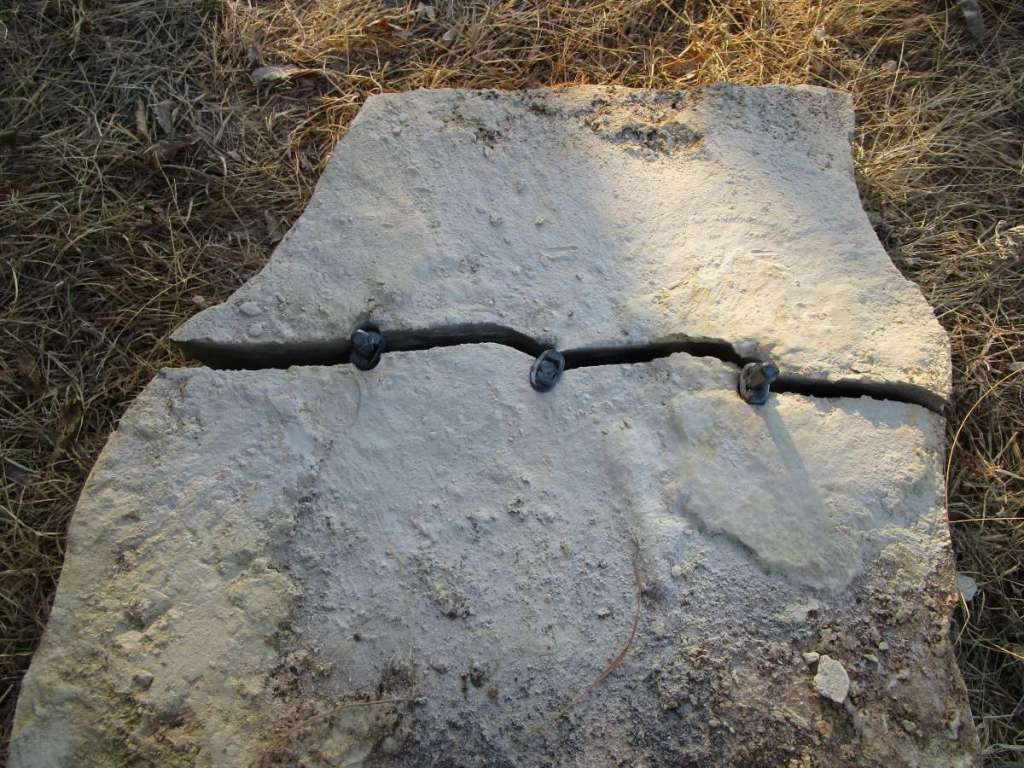
Using Feathers and Wedges to Split Stone
Feathers and wedges are simple-to-use and reliable tools that provide an easy means for obtaining reasonable slabs out of massive, irregularly shaped stones.
-

Four More Additions to the Cowley County Stone Bridge List
As a result of some searching, we found four small stone arch bridges near Dexter, Cowley County, Kansas, which do not appear on the county’s stone bridge brochure.
-

Pawhuska’s Big Stone Bridge: Part 1
In Pawhuska, Oklahoma is an imposing, triple arch stone bridge with an interesting history. In this series of posts, we investigate the story behind the magnificent structure.
-

Hidden Structural Features
Many stone arch bridge feature subtle design features that are tucked away out of sight within the structure, which can greatly complicate rehab and load handling calculations.
 Stone Arch Bridges